

-64%
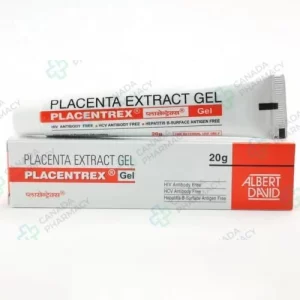
Placentrex
Price range: $ 54,00 through $ 149,00
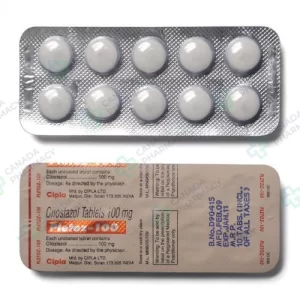
Pletal
Price range: $ 41,00 through $ 434,00
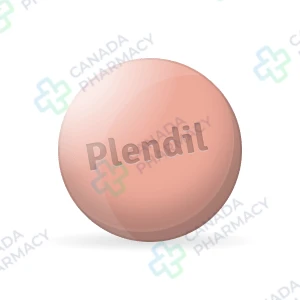
Plendil
Price range: $ 13,00 through $ 267,00
Plendil is a highly effective calcium channel blocker primarily used to manage and treat high blood pressure. By relaxing the blood vessels, this medication allows blood to circulate more freely, significantly reducing the workload on the heart. Maintaining stable blood pressure with Plendil helps lower the risk of developing long-term cardiovascular complications like strokes and heart attacks. The extended-release formula ensures a steady delivery of felodipine to provide consistent protection throughout the entire day. This medication is a reliable option for individuals looking to maintain optimal arterial health and improve their overall cardiovascular well-being.
Active substance: Felodipine
Delivery: 5–21 days (depending on the shipping method)
Extra 10% discount with coupon: IT4K6SVM
Each dosage option has its own packaging choices.
Description
Plendil – Information for Patients and Caregivers
Plendil belongs to a group of medicines called dihydropyridine calcium channel blockers. It is prescribed for the management of hypertension in adult patients. The active ingredient, felodipine, acts directly on vascular smooth muscle to assist in blood pressure control.
As a prescription-only medication regulated by the US Food and Drug Administration (FDA), Plendil must be taken under the guidance of a licensed healthcare provider. Treatment regimens are individualized based on patient clinical response, blood pressure goals, and overall tolerability.
| Parameter | Specification |
|---|---|
| Active ingredient | Felodipine |
| Therapeutic class | Calcium channel blocker (dihydropyridine) |
| Dosage form | Extended-release oral tablet |
| Route of administration | Oral |
| Primary purpose | Hypertension management |
| Prescription status | Prescription only (Rx) |
Clinical Overview and Safety Profile
How the drug works
The mechanism of action of felodipine involves the selective inhibition of calcium ion influx across vascular smooth muscle and cardiac muscle cell membranes. The pharmacological effect is significantly more pronounced on vascular smooth muscle than on myocardial tissue. By selectively blocking voltage-dependent L-type calcium channels in peripheral blood vessels, felodipine reduces systemic vascular resistance. This peripheral arterial vasodilation leads to a measurable reduction in systolic and diastolic blood pressure. The decrease in arterial pressure may trigger a modest reflex increase in heart rate, although significant myocardial depression is typically avoided at therapeutic dose levels.
Main uses
Plendil is indicated solely for the treatment of essential hypertension. Effective blood pressure control reduces the risk of long-term cardiovascular complications, including fatal and nonfatal stroke and myocardial infarction. The drug may be prescribed as a monotherapy or in combination with other antihypertensive classes, such as thiazide diuretics, beta-blockers, or angiotensin-converting enzyme (ACE) inhibitors. Any off-label application for conditions not specified in the official FDA label must be directed and monitored by a qualified healthcare professional.
Dosing schedule
Plendil is formulated as an extended-release tablet for oral administration. The initial recommended starting dosage for adult hypertension is 2.5 mg or 5 mg administered once daily. Dose adjustments are typically evaluated at intervals of no less than two weeks to monitor full clinical efficacy. The maximum recommended maintenance dosage is 10 mg once daily. Tablets must be swallowed whole with water and must not be crushed, chewed, or split, as breaking the tablet destroys the extended-release delivery matrix. Consistency regarding administration relative to meals should be maintained.
Prescribing Guidelines and Pharmacokinetics
What happens in the body
Following oral administration, felodipine is completely absorbed from the gastrointestinal tract. However, due to extensive first-pass metabolism in the liver via the cytochrome P450 3A4 (CYP3A4) enzyme system, the systemic bioavailability of felodipine is approximately 15%. Peak plasma concentrations occur between 2.5 and 5 hours after administration of the extended-release tablet. Plasma protein binding exceeds 99%, primarily to albumin. The elimination half-life during the terminal phase ranges from approximately 11 to 16 hours. Metabolism occurs almost entirely in the liver, with less than 0.5% of an oral dose excreted unchanged in the urine.
What side effects may occur
Adverse reactions associated with felodipine primary stem from its systemic vasodilatory actions. Peripheral edema, particularly localized swelling of the lower extremities, represents the most common dose-dependent side effect. Other reported adverse events include headache, facial flushing, dizziness, and palpitations. Long-term administration of calcium channel blockers has occasionally been linked to gingival hyperplasia (gum swelling), requiring consistent dental hygiene. Less frequent side effects include fatigue, nausea, rash, and paresthesia. Patients experiencing persistent discomfort should notify their medical provider.
Interactions and Precautions
What not to combine
Felodipine relies extensively on hepatic CYP3A4 enzymes for clearance, creating potential for significant drug interactions. Strong CYP3A4 inhibitors–such as ketoconazole, itraconazole, erythromycin, and clarithromycin–can markedly elevate plasma felodipine levels, increasing the risk of severe hypotension and edema. Conversely, strong CYP3A4 inducers, including carbamazepine, phenytoin, phenobarbital, and St. John’s wort, can substantially reduce plasma concentrations, leading to diminished therapeutic response. Concurrent use with other blood pressure-lowering agents may produce additive hypotensive effects.
What to avoid while taking it
Grapefruit and grapefruit juice must be strictly avoided during treatment with Plendil. Compounds present in grapefruit inhibit intestinal CYP3A4 enzymes, which significantly increases felodipine bioavailability and systemic exposure, heightening the risk of adverse reactions. Administration with high-fat food items may alter peak plasma concentrations, emphasizing the need for standardized dosing habits. Moderate to heavy alcohol consumption should be avoided, as alcohol can enhance vasodilatory effects and increase the frequency of orthostatic dizziness or lightheadedness.
Red flags
Immediate emergency medical assistance is warranted if signs of a serious hypersensitivity reaction develop, such as facial, lip, tongue, or throat swelling, accompanied by dyspnea or severe skin eruptions. Prompt medical evaluation is required if severe hypotension occurs, manifesting as severe lightheadedness, confusion, or syncope (fainting). Sudden onset of chest pain, worsening angina symptoms, or rapid, irregular cardiac rhythms necessitate immediate emergency clinical assessment.
Special Considerations
Before you take it
Evaluation of baseline hepatic function is recommended before initiating therapy, as patients with hepatic impairment demonstrate decreased drug clearance and higher plasma concentrations, often requiring a starting dose of 2.5 mg daily. Caution is advised in patients with severe aortic stenosis due to the risk of acute hypotension. Although felodipine does not impair cardiac conduction directly, severe hypotension leading to reflex tachycardia may provoke ischemic events in individuals with severe obstructive coronary artery disease.
Pregnancy, breastfeeding, and other groups
Adequate and well-controlled clinical studies in pregnant women are lacking; felodipine should be utilized during pregnancy only if the potential therapeutic benefit outweighs potential risk to the fetus. It is not established whether felodipine is excreted into human milk, requiring cautious evaluation when prescribing to nursing mothers. Elderly patients aged 65 and older often exhibit increased systemic exposure due to decreased clearance; initiation at 2.5 mg daily is generally advised. Safety and effectiveness in pediatric patients have not been established.
Storage and expiration
Plendil extended-release tablets should be stored at controlled room temperature between 20°C and 25°C (68°F to 77°F), with permitted excursions between 15°C and 30°C (59°F to 86°F). Tablets must be kept in their original container to protect the formulation from light and moisture. Keep out of reach of children. Discard any medication that has passed its expiration date using established pharmacy take-back programs.
Commonly Asked Questions
What should be done if a scheduled dose of Plendil is missed?
If a dose is missed, it should be taken as soon as remembered on the same day. However, if it is nearly time for the next scheduled dose, the missed dose should be skipped, and the regular dosing schedule resumed. Two doses should never be taken simultaneously to make up for a missed tablet.
How long does it typically take for Plendil to lower blood pressure?
A reduction in blood pressure generally begins within 2 to 5 hours after administration of an extended-release tablet. Maximum antihypertensive response following continuous daily dosing is typically evaluated over a period of 1 to 2 weeks.
Is it permissible to stop taking Plendil suddenly if blood pressure readings normalize?
Treatment should not be discontinued abruptly without consulting a physician. Normalized blood pressure readings indicate that the medication is functioning effectively. Abrupt cessation may lead to a rebound increase in blood pressure values.
Can patients drive or operate machinery while taking Plendil?
Dizziness or lightheadedness may occur, particularly during initiation of therapy or following dose increases. Patients should assess their individual response to the medication before operating vehicles or heavy machinery.
Why is it necessary to take Plendil extended-release tablets whole without chewing?
Chewing, crushing, or breaking the tablet disrupts the specialized extended-release coating. This can result in rapid drug release (dose dumping), leading to elevated peak plasma levels and an increased risk of side effects such as severe hypotension.
In accordance with FDA requirements.
This text is for informational purposes only and does not constitute individual medical advice.
Additional information
| Dosage |
2.5 mg ,5mg |
|---|---|
| Package |
30 pills ,60 pills ,90 pills ,120 pills ,180 pills ,270 pills ,360 pills |
| Ενεργός Ουσία |
Related products
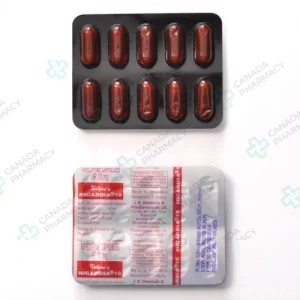
Adalat
Price range: $ 41,00 through $ 267,00
Active substance: Nifedipine
More Details
This product has multiple variants. The options may be chosen on the product page
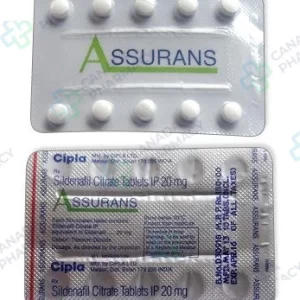
Assurans
Price range: $ 50,00 through $ 70,00
Active substance: Sildenafil Citrate
More Details
This product has multiple variants. The options may be chosen on the product page
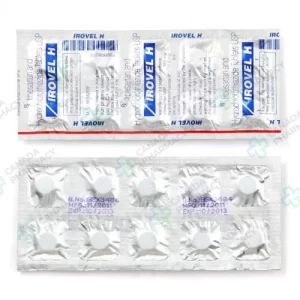
Avalide
Price range: $ 66,00 through $ 333,00
Active substance: Irbesartan
More Details
This product has multiple variants. The options may be chosen on the product page
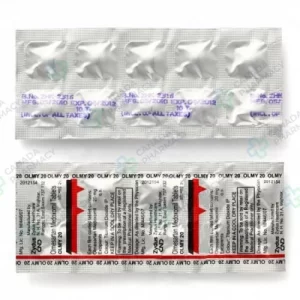
Benicar
Price range: $ 42,00 through $ 478,00
Active substance: Olmesartan
More Details
This product has multiple variants. The options may be chosen on the product page
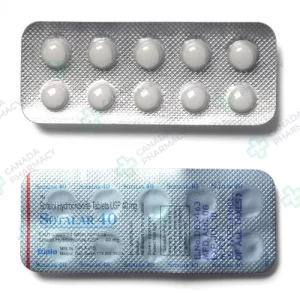
Betapace
Price range: $ 9,00 through $ 260,00
Active substance: Sotalol
More Details
This product has multiple variants. The options may be chosen on the product page
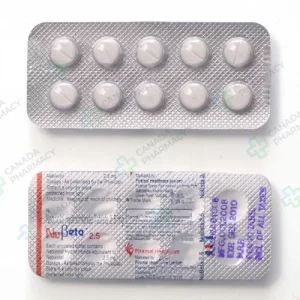
Bystolic
Price range: $ 38,00 through $ 275,00
Active substance: Nebivolol
More Details
This product has multiple variants. The options may be chosen on the product page
Diltiazem
Price range: $ 49,00 through $ 590,00
Active substance: Diltiazem
More Details
This product has multiple variants. The options may be chosen on the product page
Doxazosin
Price range: $ 42,00 through $ 332,00
Active substance: Doxazosin
More Details
This product has multiple variants. The options may be chosen on the product page