

-20%
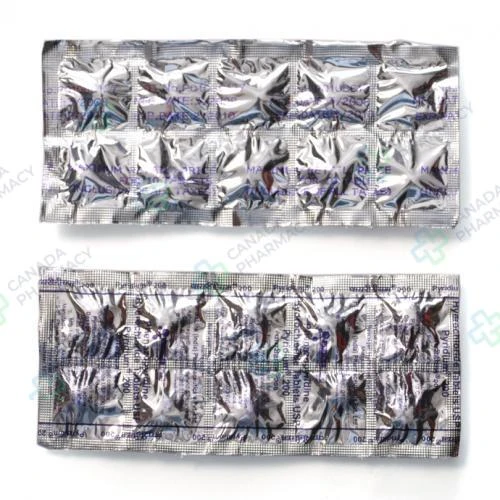

Purim
Price range: $ 60,00 through $ 119,00

Quibron-T
Price range: $ 43,00 through $ 492,00
Pyridium
Price range: $ 55,00 through $ 265,00
Pyridium is a specialized medication formulated to provide prompt relief from the discomfort associated with urinary tract infections. It effectively targets common symptoms such as localized pain, burning sensations, and urinary urgency. The active ingredient functions as a local analgesic, soothing the lining of the urinary tract to improve daily comfort. This treatment is designed to alleviate the irritation and pressure often felt in the bladder and urethra during an infection. Pyridium offers a dependable way to manage the physical distress of lower urinary tract symptoms while the body recovers.
Active substance: Phenazopyridine
Delivery: 5–21 days (depending on the shipping method)
Extra 10% discount with coupon: IT4K6SVM
Each dosage option has its own packaging choices.
Description
Pyridium belongs to a class of medications known as urinary tract analgesics, designed specifically to provide targeted pain relief within the lower urinary tract mucosa. It is prescribed to alleviate burning sensations, pain, urinary urgency, and frequency caused by infection, trauma, catheterization, or surgical procedures.
This prescription medication acts locally on the urinary tract lining to soothe discomfort while the underlying cause is addressed by definitive therapy. Patients should understand that Pyridium relieves symptoms but does not possess antibacterial properties to treat active urinary tract infections directly.
| Property | Details |
|---|---|
| Active ingredient | Phenazopyridine hydrochloride |
| Pharmacologic class | Urinary tract analgesic |
| Dosage form | Oral tablet |
| Route of administration | Oral |
| Prescription status | Dispensed in accordance with applicable federal and state regulations |
| Primary purpose | Symptomatic relief of urinary tract mucosal irritation |
Key Clinical Overview
Main uses
Pyridium (phenazopyridine hydrochloride) is indicated for the symptomatic relief of pain, burning, urgency, frequency, and other discomforts resulting from irritation of the lower urinary tract mucosa. These symptoms may stem from urinary tract infections, trauma, surgery, endoscopic procedures, or the passage of catheters or sounds. The administration of phenazopyridine provides prompt relief of mucosal symptoms, improving patient comfort during diagnostic or therapeutic interventions. It is important to emphasize that Pyridium provides analgesic action only; it does not display antimicrobial activity and is not indicated for treating bacterial urinary tract infections. When used for dysuria associated with infection, Pyridium is administered concurrently with appropriate antibacterial therapy, typically limited to a duration of no more than two days to avoid masking clinical signs of un-controlled infection.
How the drug works
Phenazopyridine hydrochloride exerts a direct topical analgesic effect on the mucosa of the urinary tract. Following absorption and renal excretion, the compound acts locally on the lining of the bladder and urethra to soothe denuded or inflamed tissue. Although the precise molecular mechanism of action remains incompletely defined, the drug acts locally rather than via systemic central nervous system depression or systemic analgesia. By selectively blunting sensory nerve fibers within the urinary tract lining, it alleviates local spasms, irritation, and the sensation of pain during micturition. Because phenazopyridine lacks bactericidal or bacteriostatic properties, its therapeutic utility is restricted exclusively to symptom mitigation while definitive antimicrobial therapy eradicates pathogens.
Dosing schedule
The standard adult dosage of Pyridium is 200 mg taken orally three times daily after meals. Administration following food intake helps minimize potential gastrointestinal discomfort, such as nausea or stomach upset. When Pyridium is prescribed alongside antimicrobial agents for the treatment of a urinary tract infection, the recommended duration of therapy should not exceed 48 hours. Limiting co-administration to two days ensures symptomatic relief during the initial period of antibacterial action without obscuring symptoms if the antibacterial regimen proves ineffective. Patients must strictly adhere to the dosing schedule prescribed by their healthcare provider and must not adjust dosages independently.
What happens in the body
Following oral administration, phenazopyridine hydrochloride is absorbed from the gastrointestinal tract and rapidly cleared from systemic circulation. The active compound and its metabolites are excreted primarily by the kidneys, with up to 90% of an oral dose eliminated in the urine within 24 hours. A significant portion is excreted unchanged, while a portion undergoes hepatic metabolism into active metabolites, including aniline derivatives and paracetamol (acetaminophen). The rapid renal clearance allows high local concentrations of the dye compound to accumulate within the urinary tract. The dye properties of phenazopyridine cause a distinctive reddish-orange discoloration of urine during therapy.
First days of treatment
Upon initiation of Pyridium therapy, patients routinely notice a dramatic reddish-orange discoloration of their urine within hours of taking the initial dose. This alteration in urine color is an expected pharmacologic effect of the azo dye chemical structure and is completely benign. Patients may also observe relief from pain, burning, and urinary frequency within 1 to 2 hours following oral ingestion. Contact lens wearers should note that bodily fluids, including tears, may also become stained, potentially causing permanent discoloration of soft contact lenses. Staining of clothing or underwear may occur if urinary leakage or spotting happens during treatment.
Compatibility with other medicines
Formal drug interaction studies with phenazopyridine hydrochloride are limited, yet specific clinical precautions are warranted. Pyridium does not significantly alter the systemic pharmacokinetics of standard urinary antimicrobial agents, such as trimethoprim-sulfamethoxazole, fluoroquinolones, or nitrofurantoin. However, concurrent use with other medications that induce methemoglobinemia or cause hemolytic anemia requires careful clinical monitoring. Laboratory diagnostic tests relying on colorimetric analysis or spectrometry in urine–such as dipstick tests for glucose, bilirubin, ketone bodies, or protein–may yield false-positive or altered results due to the intense dye interference.
What to avoid while taking it
Pyridium should be ingested after meals or with food to reduce the risk of gastrointestinal irritation. While no specific dietary restrictions are mandated during phenazopyridine therapy, patients should maintain adequate hydration unless clinically contraindicated. Alcohol consumption does not directly interact with phenazopyridine; however, alcohol can act as a bladder irritant, potentially exacerbating symptoms of dysuria, frequency, and urgency. Furthermore, combining alcohol with active urinary tract infections may impair immune responses and cause dehydration, so avoiding alcoholic beverages during active treatment is clinically advisable.
If you skip a dose
If a dose of Pyridium is missed, it should be taken as soon as remembered, provided it is taken with food to prevent gastric upset. If the time for the next scheduled dose is near, the missed dose should be skipped entirely, and the regular dosing schedule resumed. Patients must never double the dose or take extra tablets to compensate for a missed administration. Because Pyridium is intended for short-term symptomatic relief, missing a dose will not compromise the efficacy of concurrent antibacterial therapy, though temporary return of urinary discomfort may occur.
Day-to-day use
Daily management while taking Pyridium requires practical measures to handle its strong dyeing properties. Patients are advised to wear disposable sanitary pads or panty liners to prevent accidental reddish-orange staining of clothing due to post-void dripping or mild urinary incontinence. Soft contact lenses should not be worn for the duration of therapy because tear discoloration can permanently ruin lens materials. Restroom surfaces, such as porcelain or plastic toilet seats, should be promptly cleaned if splashed, as phenazopyridine residue can cause stubborn stains if allowed to dry.
Safety and Frequently Asked Questions
Adverse reactions
Common adverse reactions associated with Pyridium include headache, dizziness, nausea, vomiting, indigestion, and generalized abdominal cramps. Less frequently reported side effects involve mild skin rash or pruritus. Serious adverse reactions, although rare, necessitate prompt medical evaluation. These include methemoglobinemia (manifesting as cyanosis, dyspnea, or fatigue), hemolytic anemia, and hepatotoxicity or renal toxicity. A yellowish tint in the skin or sclera of the eyes indicates drug accumulation secondary to impaired renal excretion and requires immediate discontinuation of treatment.
Important precautions
Pyridium is contraindicated in patients with known hypersensitivity to phenazopyridine hydrochloride or its components, as well as those with severe renal insufficiency (creatinine clearance less than 50 mL/min) or severe hepatitis. Caution is advised in individuals with glucose-6-phosphate dehydrogenase (G6PD) deficiency, as they are at elevated risk for oxidative hemolysis and methemoglobinemia. In pregnancy, Pyridium is categorized under FDA Pregnancy Category B; it should be used during pregnancy only if clearly needed. Caution should also be exercised when administering Pyridium to nursing mothers, as it is unknown whether the active drug or its metabolites are excreted in human breast milk. Elderly patients should undergo renal function assessment prior to initiating therapy to ensure safe excretion.
Common questions
-
Why does Pyridium turn urine reddish-orange?
Phenazopyridine hydrochloride is an azo dye chemical compound. Upon absorption and renal excretion, the dye passes directly into the urine, imparting a bright reddish-orange tint. This effect is expected and temporary.
-
Can Pyridium be used to cure a urinary tract infection without antibiotics?
No. Pyridium provides local symptomatic analgesia for urinary tract mucosal pain, burning, and urgency. It possesses no antibacterial properties and does not treat or cure underlying bacterial infections, which require appropriate antimicrobial agents prescribed by a physician.
-
How long can Pyridium be safely taken?
When co-administered with antibacterial therapy for a urinary tract infection, Pyridium treatment should generally not exceed 2 days (48 hours). Prolonged use may mask signs of an ineffective antibiotic treatment or lead to drug accumulation.
-
Is it safe to wear soft contact lenses while taking Pyridium?
Wearing soft contact lenses during Pyridium therapy is not recommended. Phenazopyridine can discolor body fluids including tears, which may cause permanent staining and damage to soft contact lenses.
-
What should I do if my skin or eyes start looking yellow while taking Pyridium?
Yellowing of the skin or the whites of the eyes (sclera) indicates potential drug accumulation, which often occurs due to impaired renal excretion. If this develops, discontinue Pyridium immediately and contact a healthcare provider for clinical evaluation.
In accordance with FDA requirements.
Information on this page is for reference and does not replace an assessment by a licensed healthcare professional.
Additional information
| Dosage |
200mg |
|---|---|
| Package |
60 pills ,90 pills ,120 pills ,180 pills ,270 pills ,360 pills |
| Ενεργός Ουσία |
Related products

Ascorbic Acid
Price range: $ 58,00 through $ 69,00
Active substance: Ascorbic Acid
More Details
This product has multiple variants. The options may be chosen on the product page
Budez CR
Price range: $ 23,00 through $ 108,00
Active substance: Budesonide
More Details
This product has multiple variants. The options may be chosen on the product page
Calcort
Price range: $ 54,00 through $ 430,00
Active substance: Deflazacort
More Details
This product has multiple variants. The options may be chosen on the product page

Cytotec
Price range: $ 45,00 through $ 504,00
Active substance: Misoprostol
More Details
This product has multiple variants. The options may be chosen on the product page
Deltasone
Price range: $ 47,00 through $ 296,00
Active substance: Prednisone
More Details
This product has multiple variants. The options may be chosen on the product page

Diarex
Price range: $ 54,00 through $ 236,00
Active substance: Diarex
More Details
This product has multiple variants. The options may be chosen on the product page
Duphalac
Price range: $ 48,00 through $ 300,00
Active substance: Lactulose
More Details
This product has multiple variants. The options may be chosen on the product page

Herbolax
Price range: $ 50,00 through $ 83,00
Active substance: Chebulic Myrobalan, Trivruth
More Details
This product has multiple variants. The options may be chosen on the product page