

-15%
Solian
Price range: $ 89,00 through $ 745,00
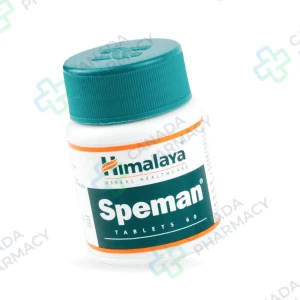
Speman
Price range: $ 53,00 through $ 204,00
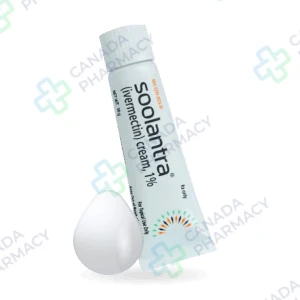
Soolantra
Price range: $ 68,00 through $ 72,00
Soolantra is a specialized topical cream formulated to effectively treat the inflammatory lesions associated with rosacea. The active ingredient, ivermectin, works to reduce the redness, bumps, and pustules that characterize this chronic skin condition. Designed for once-daily application, this smooth cream provides a targeted approach to managing facial sensitivity and flare-ups. Regular use helps to calm the skin and improve overall texture for a clearer and more even appearance. Soolantra offers a dedicated solution for those seeking to manage their symptoms and maintain long-term skin health.
Active substance: Ivermectin
Delivery: 5–21 days (depending on the shipping method)
Extra 10% discount with coupon: IT4K6SVM
Each dosage option has its own packaging choices.
Description
Soolantra cream belongs to a class of topical dermatological agents containing ivermectin at a concentration of 1%. It is an FDA-approved prescription medication indicated for the treatment of inflammatory lesions associated with papulopustular rosacea in adult patients. Proper evaluation by a healthcare provider is required prior to initiating therapy to confirm appropriate clinical indication.
The safety and clinical profile of this medication have been evaluated in controlled clinical trials established under regulatory standards. The key pharmacological characteristics and prescribed usage parameters are summarized below for reference.
| Parameter | Clinical Description |
|---|---|
| Active Ingredient | Ivermectin (1% w/w) |
| Dosage Form | Topical cream |
| Route of Administration | Topical application (facial skin only) |
| Prescription Status | Prescription only (Rx) |
| Primary Purpose | Reduction of inflammatory papules and pustules in rosacea |
| Storage Conditions | Store at 20°C to 25°C (68°F to 77°F); excursions permitted to 15°C–30°C (59°F–86°F) |
Clinical Profile and Application
What it’s used for
Soolantra cream is indicated specifically for the topical treatment of inflammatory papules and pustules seen in adult patients diagnosed with rosacea. Papulopustular rosacea is a chronic facial dermatosis characterized by persistent erythema, telangiectasia, and inflammatory skin eruptions. This drug is formulated exclusively for external dermatological use on facial lesions and is not indicated for non-inflammatory erythematous rosacea alone or for ocular rosacea. Clinical diagnosis must precede administration, as efficacy has been established primarily in adult populations presenting with moderate-to-severe inflammatory lesion counts. Off-label use for other dermatological conditions, such as demodicosis or seborrheic dermatitis, has been evaluated in limited exploratory literature but remains outside the scope of FDA-approved indications. Patients should use this medication strictly for the dermatological indications designated by their treating practitioner.
How the drug works
The precise mechanism of action of Soolantra cream in reducing inflammatory lesions of rosacea is not completely elucidated, but it involves a dual pharmacodynamic profile. Ivermectin possesses both anti-inflammatory and antiparasitic properties. The anti-inflammatory action is mediated through the inhibition of cellular inflammatory pathways, specifically suppressing lipopolysaccharide-induced production of inflammatory cytokines such as interleukin-1b and tumor necrosis factor-alpha, while increasing anti-inflammatory cytokines like interleukin-10. Additionally, ivermectin demonstrates direct antiparasitic activity against Demodex folliculorum mites, microscopic organisms that inhabit human hair follicles and are found in significantly higher densities on the skin of individuals affected by papulopustular rosacea. By reducing Demodex density and dampening local immune responses, the medication suppresses lesion formation.
How it’s absorbed and eliminated
Pharmacokinetic evaluation of Soolantra cream demonstrates low systemic absorption following repeated topical application to the face. In clinical bioavailability studies involving adult subjects with severe papulopustular rosacea applying a once-daily regimen of 1 gram of cream, steady-state plasma concentrations of ivermectin were achieved within two weeks of initiation. The mean peak plasma concentration (Cmax) at steady state was 2.10 ± 1.04 ng/mL, with an area under the plasma concentration-time curve (AUC0-24h) of 36.14 ± 15.56 ng·h/mL. Systemic exposure to ivermectin following topical administration is significantly lower than that observed after oral administration of therapeutic doses. In vitro studies using human liver microsomes indicate that ivermectin is primarily metabolized by cytochrome P450 enzymes, predominantly CYP3A4. The terminal elimination half-life of ivermectin in plasma after cutaneous administration averages approximately 6.5 days, reflecting prolonged cutaneous retention and slow systemic clearance.
Dosing schedule
Soolantra cream should be applied once daily to the affected areas of the face. Patients should wash their hands before application and gently cleanse the facial skin with a mild cleanser, patting it dry with a clean towel. A pea-sized amount of cream should be applied to each of the five areas of the face: the forehead, chin, nose, and each cheek. The medication should be spread evenly in a thin layer across these regions, avoiding the eyelids, lips, eyes, and mucous membranes of the mouth or nose. Care must be taken to prevent accidental exposure to sensitive mucosal surfaces. After applying the cream, hands must be thoroughly washed. Cosmetics and other topical dermatological products may be applied only after the cream has completely dried. The duration of therapy is determined by the prescribing healthcare provider based on clinical response.
Practical tips
Integrating Soolantra cream into a daily skincare routine requires consistent technique to maintain proper dermatological hygiene. Patients are advised to establish a daily routine, applying the medication at the same time each day, preferably in the evening. Mild, non-abrasive skin cleansers should be utilized to avoid exacerbating underlying facial irritation. Non-comedogenic, hydrating moisturizers may be used concurrently to manage skin dryness, provided they are applied after the topical cream has dried fully. Direct exposure to solar radiation, wind, and hot temperatures should be minimized, as these external triggers frequently induce rosacea flares. Broad-spectrum sunscreens with SPF 30 or higher are recommended for daily facial protection.
First days of treatment
During the initial phases of Soolantra cream therapy, therapeutic response develops gradually over several weeks. Clinical studies demonstrate that measurable reduction in inflammatory lesion counts typically begins to appear around four weeks of continuous once-daily application, with optimal clinical benefits achieved after 8 to 12 weeks of treatment. In the early days of administration, localized cutaneous symptoms such as mild transient stinging, burning, or redness may occur as the skin adjusts to the formulation. Patients should be advised that immediate resolution of inflammatory papules and pustules is not expected upon initiating therapy, and treatment should not be prematurely discontinued without medical consultation.
If you skip a dose
If a planned daily application of Soolantra cream is omitted, the missed dose should be applied as soon as remembered on that day, unless it is nearly time for the next scheduled application. If the next application is due shortly, the patient should skip the missed dose and resume the standard once-daily schedule. The dose should not be doubled, and extra cream should not be applied to make up for a missed application, as excessive application increases the risk of local skin irritation without enhancing therapeutic outcomes. Maintaining a consistent daily regimen supports steady cutaneous therapeutic concentration.
Safety Considerations and FAQ
Adverse reactions
Topical application of Soolantra cream is generally well tolerated, with most adverse reactions limited to local cutaneous effects at the application site. In controlled clinical trials, the most common side effects reported in less than 1% of treated subjects included skin burning sensation and skin irritation. Other reported adverse reactions included pruritus (itching) and dry skin. Post-marketing surveillance has identified additional rare cutaneous reactions, including contact dermatitis, allergic hypersensitivity reactions, facial swelling, and localized skin erythema. Should severe skin irritation, contact dermatitis, or signs of systemic hypersensitivity develop, application must be discontinued, and medical evaluation should be sought immediately.
Compatibility with other medicines
Formal drug interaction studies have not been conducted with Soolantra cream. However, because systemic absorption of ivermectin following topical application is minimal, systemic pharmacokinetic interactions with concomitant oral or parenteral medications are considered unlikely. In vitro data demonstrate that ivermectin is primarily metabolized by the hepatic cytochrome P450 isoenzyme CYP3A4. Concomitant administration of strong CYP3A4 inhibitors (such as ketoconazole, itraconazole, or clarithromycin) could theoretically increase systemic exposure to ivermectin, although clinical significance remains low due to low systemic plasma concentrations. Simultaneous application of other potent topical dermatological products, harsh astringents, or abrasive exfoliating agents should be managed carefully to minimize cumulative local skin irritation.
Important precautions
Soolantra cream is contraindicated in patients with a history of hypersensitivity to ivermectin or any excipient in the formulation. The drug is for external dermatological use only and must not be administered orally, ophthalmically, or intravaginally. Regarding special populations, animal reproduction studies with oral ivermectin have demonstrated developmental toxicity at doses toxic to the mother; however, adequate and well-controlled studies in pregnant women are lacking. Soolantra cream should be used during pregnancy only if the potential benefit justifies the potential risk to the fetus. Following oral administration, ivermectin is excreted in human milk in low concentrations; systemic exposure after topical application is minimal, but caution should be exercised when administered to a nursing woman. Safety and effectiveness in pediatric patients under 18 years of age have not been established. Clinical trials did not reveal significant overall differences in safety or efficacy between elderly patients (aged 65 and older) and younger adult subjects.
Storage and expiration
Soolantra cream should be stored at controlled room temperature between 20°C and 25°C (68°F to 77°F), with excursions permitted between 15°C and 30°C (59°F to 86°F) according to United States Pharmacopeia (USP) standards. The container tube must be kept tightly closed when not in use to protect the cream from degradation and contamination. The drug product should be stored out of reach of children and pets. Do not freeze or expose the container to excessive heat. Expired medication or unused cream should be discarded safely according to federal, state, and local pharmaceutical disposal regulations.
Common questions
Is it normal to experience a temporary burning sensation when applying Soolantra cream?
Mild skin burning or localized tingling can occur in less than 1% of patients during the initial stages of application. If the sensation is severe, persistent, or accompanied by marked edema or hives, discontinue use and consult a healthcare provider.
How long does treatment with Soolantra cream typically continue?
Clinical studies evaluate efficacy over a standard 12-week treatment course, though many healthcare providers re-evaluate treatment duration based on individual patient response and persistence of inflammatory lesions. Continuous daily use as prescribed is necessary to maintain therapeutic benefit.
Can sunscreen or cosmetics be applied over Soolantra cream?
Yes, sunscreens and cosmetic products may be applied after Soolantra cream has been applied and allowed to dry completely on the facial skin. Non-irritating, non-comedogenic cosmetics are recommended.
What actions should be taken if Soolantra cream accidentally contacts the eyes?
Soolantra cream is formulated strictly for external cutaneous use. In the event of accidental contact with the eyes or eyelids, flush the area immediately and thoroughly with generous amounts of clean water or isotonic saline. If ocular irritation persists, seek prompt medical evaluation.
Does Soolantra cream cause systemic side effects similar to oral ivermectin?
Systemic side effects are extremely unlikely because topical application results in minimal systemic absorption (mean peak plasma levels around 2.10 ng/mL). Most reported side effects are localized strictly to the facial application sites.
Information evaluated in accordance with FDA regulatory reference standards.
This text is for informational purposes only and does not constitute individual medical advice. In accordance with FDA requirements.
Additional information
| Dosage |
30 g |
|---|---|
| Package |
8 tubes ,10 tubes |
| Ενεργός Ουσία |
Related products
Adaferin Gel
Price range: $ 10,00 through $ 46,00
Active substance: Adapalene
More Details
This product has multiple variants. The options may be chosen on the product page
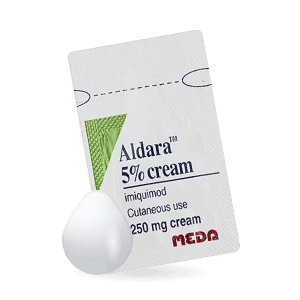
Aldara Cream
Price range: $ 224,00 through $ 1 440,00
More Details
This product has multiple variants. The options may be chosen on the product page
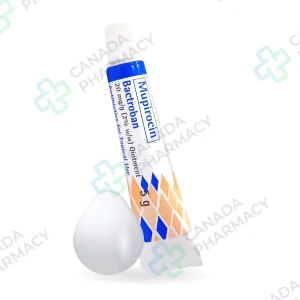
Bactroban Ointment 5g
Price range: $ 55,00 through $ 200,00
Active substance: Mupirocin
More Details
This product has multiple variants. The options may be chosen on the product page
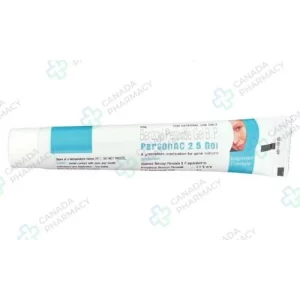
Benzoyl
Price range: $ 66,00 through $ 152,00
Active substance: benzoyl peroxide
More Details
This product has multiple variants. The options may be chosen on the product page
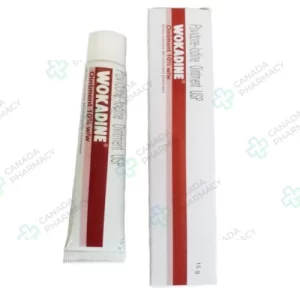
Betadine
Price range: $ 7,00 through $ 12,00
Active substance: Povidone Iodine
More Details
This product has multiple variants. The options may be chosen on the product page
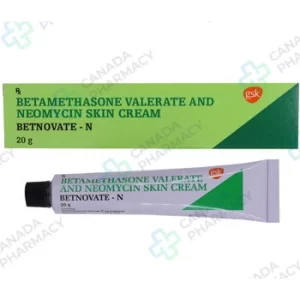
Betnovate
Price range: $ 40,00 through $ 55,00
Active substance: betamethasone
More Details
This product has multiple variants. The options may be chosen on the product page
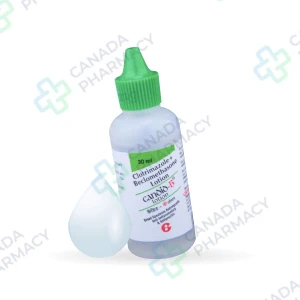
Candid B Lotion
Price range: $ 40,00 through $ 85,00
Active substance: Beclometasone, Clotrimazole
More Details
This product has multiple variants. The options may be chosen on the product page
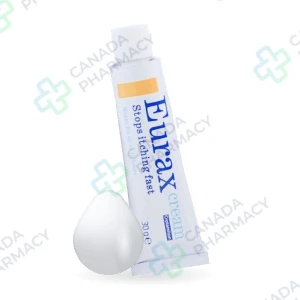
Eurax
Price range: $ 49,00 through $ 187,00
Active substance: Crotamiton
More Details
This product has multiple variants. The options may be chosen on the product page