

-20%
Tastylia Strips
Price range: $ 28,00 through $ 66,00
Tenoretic
Price range: $ 7,00 through $ 18,00
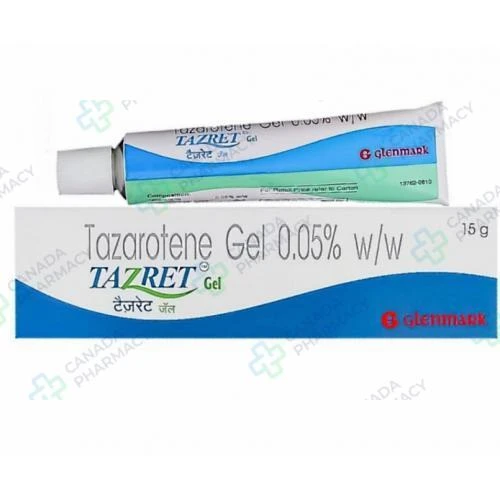
Tazorac
Price range: $ 20,00 through $ 48,00
Tazorac is a potent topical retinoid containing the active ingredient tazarotene, designed to address specific dermatological conditions. It is highly effective for the treatment of plaque psoriasis, helping to reduce the thickness, redness, and scaling of skin patches. Additionally, this medication is widely used to manage acne vulgaris by clearing existing blemishes and preventing the formation of new lesions. The formula works by normalizing skin cell turnover and reducing inflammation within the pores and affected areas. With consistent application, Tazorac promotes a smoother, clearer complexion and significant improvement in overall skin health.
Active substance: Tazarotene
Delivery: 5–21 days (depending on the shipping method)
Extra 10% discount with coupon: IT4K6SVM
Each dosage option has its own packaging choices.
Description
Tazorac belongs to a class of topical retinoids known as synthetic acetylenic retinoids. It is a prescription-only medication approved by the U.S. Food and Drug Administration (FDA) for the treatment of plaque psoriasis and acne vulgaris. Applied topically, it helps regulate epidermal cell growth and reduce localized inflammation associated with dermatologic conditions.
Because Tazorac contains a potent retinoid derivative, proper application techniques and strict adherence to safety precautions are necessary to minimize cutaneous irritation. Therapy must be conducted under the supervision of a licensed healthcare provider to ensure therapeutic efficacy and monitor for potential adverse skin reactions.
| Attribute | Specification |
|---|---|
| Active ingredient (INN) | Tazarotene |
| Therapeutic class | Topical Retinoid |
| Dosage form | Topical Gel (0.05%, 0.1%), Topical Cream (0.05%, 0.1%) |
| Route of administration | Topical (cutaneous) |
| Prescription status | Prescription (Rx only) |
| Primary purpose | Treatment of stable plaque psoriasis and acne vulgaris |
| Storage conditions | Store at 20°C to 25°C (68°F to 77°F) |
Product Overview and Clinical Profile
How the drug works
Tazarotene is a prodrug that rapidly undergoes esterase hydrolysis in the skin to form its active metabolite, tazarotenic acid. Tazarotenic acid selectively binds to retinoic acid receptor (RAR) subtypes, specifically RAR-beta and RAR-gamma, while showing minimal affinity for retinoid X receptors (RXR). Upon binding, it modulates gene transcription involved in cellular proliferation, epidermal differentiation, and tissue inflammation. In plaque psoriasis, it decreases epidermal hyperproliferation and normalizes keratinocyte differentiation. In acne vulgaris, it reduces microcomedone formation and attenuates inflammatory skin lesions.
What it’s used for
Tazorac is indicated for the topical treatment of adult patients with stable plaque psoriasis affecting up to 20% of the total body surface area. It is available in 0.05% and 0.1% concentrations for psoriasis management. Additionally, Tazorac cream and gel at 0.1% concentration are indicated for the topical treatment of facial acne vulgaris of mild to moderate severity. While tazarotene active ingredient formulations under different brand names are sometimes evaluated for cosmetic skin changes, any use of Tazorac for fine facial wrinkles, facial hyperpigmentation, or general photoaging is considered off-label and is not an FDA-approved indication for this specific brand formulation.
How it’s absorbed and eliminated
Following topical application of Tazorac gel or cream, percutaneous absorption of tazarotene is minimal across intact skin. Systematic exposure yields low measurable plasma concentrations of the parent compound, as tazarotene undergoes rapid biotransformation into its active metabolite, tazarotenic acid, via esterases in the skin and blood. Tazarotenic acid is highly bound to human plasma proteins, exceeding 99% protein binding. The terminal elimination half-life of tazarotenic acid is approximately 18 hours following repeated daily topical application. Metabolism occurs through oxidation to inactive sulfoxide derivatives, with ultimate excretion occurring through both urinary and fecal pathways in roughly equal proportions.
First days of treatment
During the initial 2 to 4 weeks of starting Tazorac, patients commonly experience an intensification of localized skin peeling, redness, and mild burning. This initial reaction, often referred to as retinization, reflects the skin’s physiological adjustment to accelerated cell turnover. It does not necessarily indicate treatment failure or an allergic reaction. Using a gentle, non-comedogenic moisturizer alongside Tazorac can help mitigate excessive dryness without interfering with therapeutic efficacy.
Dosing schedule
Application frequency for both acne vulgaris and plaque psoriasis is once daily in the evening. Before application, the affected area should be gently cleansed with a mild, non-medicated cleanser and allowed to dry completely. For psoriasis, a thin layer of 0.05% or 0.1% Tazorac cream or gel is applied to cover the psoriatic lesions. For acne vulgaris, a thin film of 0.1% concentration is applied to the entire affected areas of the face. Care must be taken to avoid applying the medication to surrounding unaffected skin, eyes, eyelids, lips, and mucous membranes. Hands should be washed thoroughly after application.
Safety, Precautions, and Usage Guidance
Compatibility with other medicines
Concomitant use of Tazorac with dermatologic preparations that cause skin drying or irritation should be carefully managed. Administration with topical agents containing high concentrations of alcohol, astringents, spices, lime, peeling agents, sulfur, resorcinol, or salicylic acid may increase localized skin irritation. Combining Tazorac with known photosensitizing medications–such as thiazide diuretics, tetracyclines, fluoroquinolones, phenothiazines, and sulfonamides–can significantly elevate the risk of heightened photosensitivity and severe sunburn reactions. If concomitant therapy with phototoxic agents is necessary, caution should be exercised and sun exposure minimized.
Adverse reactions
The most frequently reported side effects associated with Tazorac stem from localized cutaneous irritation. Common dermatologic reactions include desquamation (skin peeling), dry skin, erythema (redness), burning, stinging, pruritus (itching), and localized skin pain. These reactions are typically mild to moderate in intensity and occur most frequently during the first few weeks of therapy. Less frequent side effects include contact dermatitis, skin inflammation, skin fissuring, rash, hypertriglyceridemia, and peripheral edema. Severe local skin irritation may necessitate a temporary reduction in application frequency or temporary discontinuation of treatment until skin integrity recovers.
Important precautions
Tazorac is strictly contraindicated during pregnancy due to potential teratogenic risks associated with systemic retinoid exposure. Prior to initiating therapy in females of childbearing potential, a negative pregnancy test must be obtained within two weeks prior to starting treatment, and effective contraception must be utilized during therapy. Tazorac should not be applied to eczematous skin, sunburned skin, or open wounds, as severe irritation may occur. Photosensitivity is heightened during treatment; patients must limit exposure to natural sunlight and artificial ultraviolet radiation (sunlamps, tanning beds) and use broad-spectrum sunscreens (SPF 30 or higher) alongside protective clothing.
Special populations
Safety and effectiveness of Tazorac in pediatric patients under 12 years of age with acne vulgaris, or under 18 years of age with plaque psoriasis, have not been established in clinical trials. In geriatric populations (65 years and older), clinical studies did not demonstrate overall differences in safety or effectiveness compared to younger adult subjects, though increased cutaneous sensitivity in some older individuals cannot be ruled out. Nursing mothers should exercise caution, as it is unknown whether topical tazarotene is excreted in human milk following percutaneous absorption.
Practical tips
Apply Tazorac only to clean, fully dried skin; applying retinoids immediately after washing can increase skin permeability and localized stinging. Avoid washing the treated skin area for at least one hour after application. Do not cover treated areas with occlusive dressings or bandages unless specifically directed by a prescribing physician, as occlusion dramatically enhances systemic absorption and localized toxicity risk.
Storage and expiration
Tazorac gel and cream should be stored at controlled room temperature between 20°C and 25°C (68°F to 77°F), with permitted excursions between 15°C and 30°C (59°F to 86°F). The container must be kept tightly closed when not in use to protect the formulation from light and degradation. Do not freeze the product. Any unused medication should be safely discarded after the expiration date printed on the tube packaging.
Frequently Asked Questions
What should I do if I miss a scheduled application of Tazorac?
If an evening application is missed, skip the missed dose and resume your regular dosing schedule the following evening. Do not apply a double amount or apply the gel/cream twice in one day to make up for a missed dose.
Can cosmetic products or makeup be used concurrently with Tazorac?
Cosmetics and moisturizers may be used during Tazorac treatment, provided the skin is allowed to dry completely after cleansing before applying Tazorac. Once Tazorac has fully absorbed into the skin, non-comedogenic makeup or moisturizers can be applied. Ensure cosmetics do not contain strong drying agents or peeling chemicals.
Is cosmetic waxing or chemical peeling safe while using Tazorac?
Cosmetic waxing should be avoided on skin areas treated with Tazorac, as retinoids cause epidermal thinning that can lead to skin tearing or severe erosions. Chemical peels, laser treatments, or facial procedures should only be undertaken after consulting your prescribing physician, who may advise pausing Tazorac treatment prior to the procedure.
How long does it typically take to observe clinical improvement?
In clinical trials for acne vulgaris, noticeable reduction in inflammatory and non-inflammatory lesions is generally observed within 1 to 4 weeks of continuous daily use. For plaque psoriasis, visible reduction in plaque thickness and scaling typically occurs within 1 to 4 weeks, with optimal therapeutic responses often observed after 8 to 12 weeks of therapy.
What steps should be taken if severe skin peeling or redness develops?
If marked cutaneous irritation, severe peeling, or excessive burning occurs, contact your healthcare provider. The prescribing clinician may recommend reducing application frequency to every other night, temporarily interrupting therapy until skin recovers, or adjusting the active concentration from 0.1% to 0.05%.
Dispensed in accordance with applicable federal and state regulations. In accordance with FDA requirements.
This material is educational. Only a licensed prescriber can determine whether a medication is appropriate for you.
Additional information
| Dosage |
0.1% 15 gm |
|---|---|
| Package |
3 tubes ,6 tubes ,9 tubes |
| Ενεργός Ουσία |
Related products
Accutane
Price range: $ 40,00 through $ 650,00
Active substance: Isotretinoin
More Details
This product has multiple variants. The options may be chosen on the product page
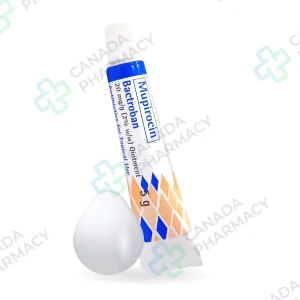
Bactroban Ointment 5g
Price range: $ 55,00 through $ 200,00
Active substance: Mupirocin
More Details
This product has multiple variants. The options may be chosen on the product page
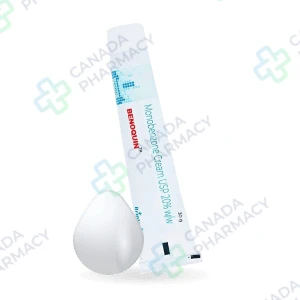
Benoquin Cream
Price range: $ 73,00 through $ 503,00
Active substance: Monobenzone
More Details
This product has multiple variants. The options may be chosen on the product page
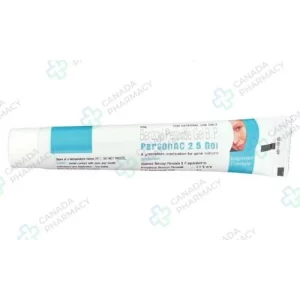
Benzoyl
Price range: $ 66,00 through $ 152,00
Active substance: benzoyl peroxide
More Details
This product has multiple variants. The options may be chosen on the product page
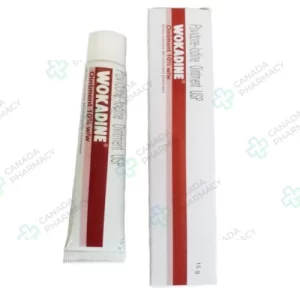
Betadine
Price range: $ 7,00 through $ 12,00
Active substance: Povidone Iodine
More Details
This product has multiple variants. The options may be chosen on the product page
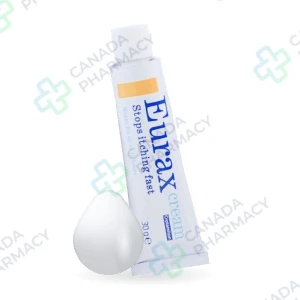
Eurax
Price range: $ 49,00 through $ 187,00
Active substance: Crotamiton
More Details
This product has multiple variants. The options may be chosen on the product page
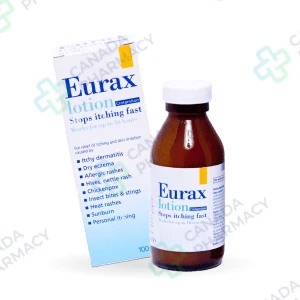
Eurax Lotion
Price range: $ 3,00 through $ 15,00
Active substance: Crotamiton
More Details
This product has multiple variants. The options may be chosen on the product page
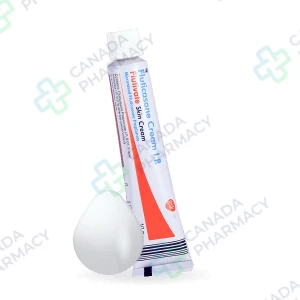
Flutivate Skin Cream
Price range: $ 24,00 through $ 91,00
Active substance: fluticasone
More Details
This product has multiple variants. The options may be chosen on the product page