

-58%
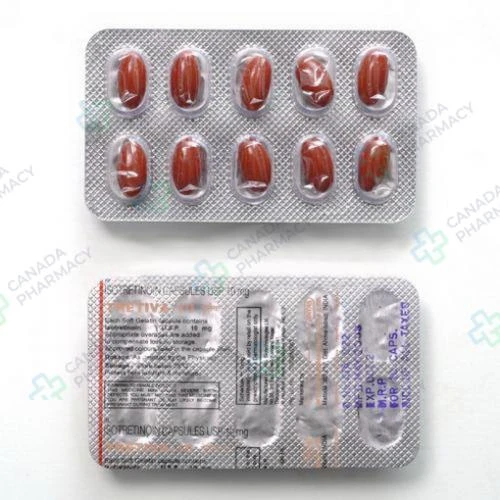

Tretiva
Price range: $ 41,00 through $ 792,00
Tretiva is a highly effective systemic retinoid specifically formulated to combat severe and persistent forms of acne. This powerful medication works by significantly reducing the size and activity of the skin’s oil glands to prevent clogged pores. It is primarily indicated for patients dealing with recalcitrant nodular acne that has not responded to traditional topical treatments or antibiotics. By targeting the underlying causes of deep breakouts, Tretiva helps to promote a clearer complexion and minimizes the potential for permanent skin scarring. Regular use as directed leads to a visible improvement in skin texture and long-term relief from inflammatory skin conditions.
Active substance: Isotretinoin
Delivery: 5–21 days (depending on the shipping method)
Extra 10% discount with coupon: IT4K6SVM
Each dosage option has its own packaging choices.
Description
Tretiva belongs to a class of medications known as systemic retinoids, derived from structural analogs of vitamin A. It is an oral prescription drug indicated primarily for severe, recalcitrant nodular acne that has failed to respond to conventional systemic and topical therapies.
In the United States, oral isotretinoin formulations are dispensed strictly by prescription under federal regulations and require mandatory registration in the iPLEDGE risk evaluation and mitigation strategy program. Treatment management involves regular clinical assessment, laboratory monitoring of serum lipids and liver enzymes, and strict adherence to teratogenicity risk management protocols.
Basic Product Overview
| Active Ingredient | Isotretinoin |
| Therapeutic Class | Systemic Retinoid (AHFS Skin and Mucous Membrane Agent) |
| Dosage Form | Oral capsule |
| Route of Administration | Oral |
| Prescription Status | Prescription only (Rx) |
| Primary Purpose | Severe recalcitrant nodular acne |
How the drug works
Isotretinoin targets all four major pathophysiological factors involved in severe acne formation. It reduces sebaceous gland size and inhibits sebum production by suppressing sebocyte proliferation and differentiation. By decreasing lipid secretion on the epidermal surface, the medication reduces the follicular concentration of Cutibacterium acnes (formerly Propionibacterium acnes), an anaerobic bacterium that depends on sebum lipids. Furthermore, isotretinoin normalizes follicular keratinization by altering epithelial desquamation, preventing hyperkeratosis and microcomedone formation. The drug also demonstrates anti-inflammatory activity by suppressing neutrophil chemotaxis and altering inflammatory cytokine pathways.
What it’s used for
The principal indication approved under FDA clinical standards for oral isotretinoin is the treatment of severe, recalcitrant nodular acne in patients who have not responded adequately to standard therapy, including systemic antibiotics. Nodular acne is characterized by inflammatory lesions measuring 5 millimeters or greater in diameter. Off-label utilization of oral retinoids is sometimes evaluated by dermatologists for other refractory dermatological disorders, such as severe rosacea, Gram-negative folliculitis, or hidradenitis suppurativa. Off-label use requires individualized risk assessment and specialized clinical oversight.
How it’s absorbed and eliminated
Following oral administration, isotretinoin is absorbed within the gastrointestinal tract, reaching peak plasma concentration (Cmax) within 2 to 4 hours under steady-state conditions. Administration alongside a high-fat meal significantly enhances systemic bioavailability, approximately doubling the area under the concentration-time curve (AUC) compared to fasting administration. Isotretinoin is extensively bound to circulating human plasma proteins, predominantly serum albumin, exceeding 99% bound fraction. Hepatic metabolism occurs via cytochrome P450 enzyme pathways, primarily forming 4-oxo-isotretinoin, which exists in equilibrium with tretinoin and 4-oxo-tretinoin. The elimination half-life of parent isotretinoin averages between 10 and 20 hours, with metabolites excreted through both renal and biliary paths.
Dosing schedule
Dosing of isotretinoin must be individualized according to body weight, therapeutic response, and clinical tolerability. Standard initial dosing typically ranges from 0.5 to 1.0 mg per kilogram of body weight per day, divided into two daily doses. For severe nodular disease, achieving a total cumulative treatment dose of 120 to 150 mg per kilogram over a treatment course is associated with lower relapse rates. Capsules should be swallowed whole with adequate liquid during mealtime to maximize bioavailability. A standard treatment course usually spans 15 to 20 weeks. If a second course of therapy is indicated, a minimum drug-free interval of 8 weeks is observed to evaluate latent therapeutic response.
Adverse reactions
Systemic retinoids produce predictable mucocutaneous and systemic adverse effects correlated with dose and duration. Cheilitis (extreme dry lips) occurs in almost all patients. Other frequent mucocutaneous reactions include xerosis (dry skin), facial erythema, mucosal dryness resulting in epistaxis (nosebleeds), and dry eyes leading to contact lens intolerance. Musculoskeletal reactions include arthralgia, back pain, and myalgia, particularly during intensive physical exertion. Laboratory abnormalities include hypertriglyceridemia, elevated total serum cholesterol, transient elevations in hepatic transaminases (ALT, AST), and minor decreases in red blood cell parameters. Photosensitivity, temporary hair thinning, and reduced night vision are also recognized adverse effects.
Important precautions
Isotretinoin carries a black box warning for teratogenicity. Exposure during pregnancy causes severe congenital anomalies, including central nervous system, craniofacial, cardiovascular, and thymic malformations, as well as spontaneous abortion. Female patients of childbearing potential in the United States must strictly adhere to the mandatory iPLEDGE program, requiring two negative pregnancy tests prior to treatment initiation and concurrent use of two effective forms of contraception. Treatment is contraindicated in patients with severe hepatic impairment, baseline severe hyperlipidemia, or documented hypersensitivity to retinoids. Monitoring for psychiatric symptoms, including depression, anxiety, mood instability, and suicidal ideation, is clinically recommended throughout therapy.
What not to combine
Concomitant administration of isotretinoin with high-dose vitamin A supplements is contraindicated due to the risk of additive hypervitaminosis A toxicity. Co-administration with tetracycline class antibiotics (such as doxycycline or minocycline) is strictly avoided due to an increased risk of pseudotumor cerebri (benign intracranial hypertension). Systemic corticosteroids used concurrently may potentiate bone loss or metabolic disturbances. Microdose progestin-only oral contraceptives (“minipills”) may provide inadequate contraceptive coverage when used alongside isotretinoin, requiring alternative high-efficacy contraceptive methods under medical direction.
What to avoid while taking it
Ethanol consumption should be avoided or strictly minimized during isotretinoin therapy. Concurrent alcohol intake increases metabolic stress on hepatic pathways and can compound serum triglyceride elevations. Dietary intake should include consistent fat content during capsule ingestion to maintain absorption; however, dietary retinoid supplements must be excluded. Exposure to natural sun or ultraviolet lamp radiation should be minimized due to increased skin fragility and sensitivity.
What you may notice early on
During the initial 2 to 4 weeks of therapy, an transient initial flare of inflammatory acne lesions may occur as follicular desquamation begins. Mucocutaneous dryness typically manifests within the first 7 to 10 days of treatment, necessitating the early introduction of non-comedogenic lip balms and skin moisturizers. Clinical reduction in active nodular lesions and skin oiliness generally becomes measurable after 6 to 8 weeks of uninterrupted therapy.
Practical tips
Patients receiving isotretinoin should refrain from invasive cosmetic procedures, including microdermabrasion, chemical peels, or wax epilation, during active treatment and for at least 6 months following treatment completion to prevent scarring or epidermal denudation. Daily use of broad-spectrum sunscreen (SPF 30 or higher) is necessary. Blood donation is legally prohibited during isotretinoin therapy and for 30 days after the final dose to protect female blood recipients from retinoid exposure.
Red flags
Immediate medical evaluation is necessary if a patient experiences severe frontotemporal headache accompanied by visual disturbances, nausea, or vomiting (indicative of intracranial hypertension). Severe abdominal pain, rectal bleeding, or severe persistent diarrhea requires urgent evaluation for inflammatory bowel disease. Any acute onset of severe mood changes, persistent depression, or suicidal ideation requires immediate clinical intervention and medication cessation. Severe cutaneous hypersensitivity reactions, such as progressive skin rash with mucosal blistering, demand emergency emergency care.
Common Questions
What should be done if a dose of isotretinoin is missed?
If a dose is missed, it should be skipped entirely, and the regular dosing schedule should be resumed with the next planned administration. Patients must not double the dosage or take extra capsules to compensate for a missed dose, as this increases the risk of acute retinoid toxicity.
Can patients drive or operate heavy machinery while taking isotretinoin?
Isotretinoin may impair night vision, sometimes with sudden onset. Patients should exercise caution when driving at night or operating machinery in low-light conditions until their personal response to the medication is fully understood.
Is hair thinning associated with isotretinoin permanent?
Hair thinning (telogen effluvium) occurs in a small percentage of patients during treatment. In the majority of cases, this hair loss is temporary and gradually reverses after therapy is completed and serum drug levels decline.
How long does isotretinoin remain in the body after stopping therapy?
Parent isotretinoin is cleared from systemic circulation within several days, but safety protocols require a 30-day post-treatment period for full elimination of drug metabolites. Contraceptive measures and blood donation restrictions must remain active for at least one full month following the final dose.
Why are routine laboratory blood tests necessary during treatment?
Systemic retinoids affect hepatic lipid processing and metabolic markers. Baseline and periodic follow-up blood tests monitor serum triglycerides, liver enzyme levels (ALT and AST), and blood counts to ensure systemic safety and detect early biochemical changes.
In accordance with FDA requirements.
Information on this page is for reference and does not replace an assessment by a licensed healthcare professional.
Additional information
| Dosage |
5mg ,10mg ,20mg ,30mg ,40mg |
|---|---|
| Package |
20 pills ,30 pills ,60 pills ,90 pills ,120 pills ,180 pills ,270 pills ,360 pills |
| Ενεργός Ουσία |
Related products
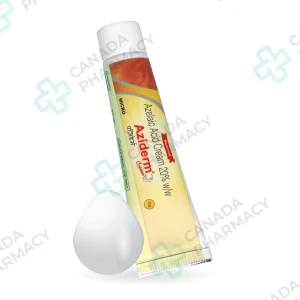
Aziderm Cream
Price range: $ 11,00 through $ 57,00
Active substance: Azelaic Acid
More Details
This product has multiple variants. The options may be chosen on the product page
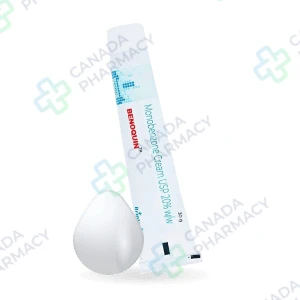
Benoquin Cream
Price range: $ 73,00 through $ 503,00
Active substance: Monobenzone
More Details
This product has multiple variants. The options may be chosen on the product page
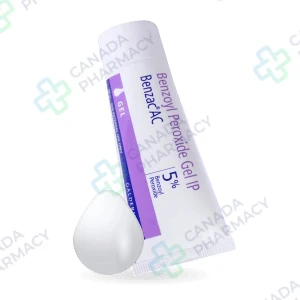
Benzac AC Gel
Price range: $ 34,00 through $ 104,00
Active substance: benzoyl peroxide
More Details
This product has multiple variants. The options may be chosen on the product page
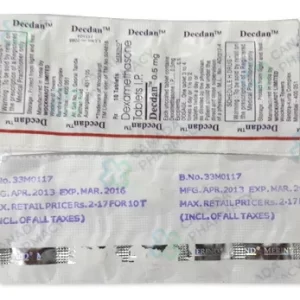
Decadron
Price range: $ 12,00 through $ 182,00
Active substance: Dexamethasone
More Details
This product has multiple variants. The options may be chosen on the product page
Deltasone
Price range: $ 47,00 through $ 296,00
Active substance: Prednisone
More Details
This product has multiple variants. The options may be chosen on the product page
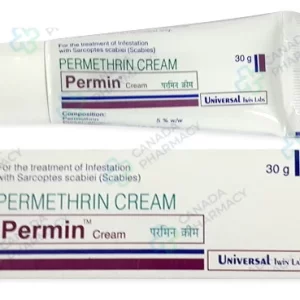
Elimite
Price range: $ 44,00 through $ 92,00
Active substance: Permethrin
More Details
This product has multiple variants. The options may be chosen on the product page
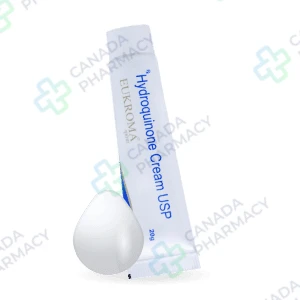
Eukroma Cream
Price range: $ 47,00 through $ 151,00
Active substance: Hydroquinone
More Details
This product has multiple variants. The options may be chosen on the product page
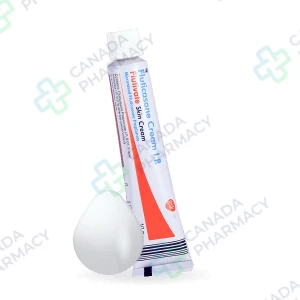
Flutivate Skin Cream
Price range: $ 24,00 through $ 91,00
Active substance: fluticasone
More Details
This product has multiple variants. The options may be chosen on the product page