

-50%
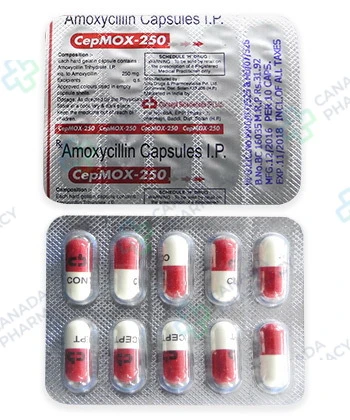

Trimox
Price range: $ 40,00 through $ 260,00
Trimox is a versatile penicillin-type antibiotic designed to treat a broad range of bacterial infections effectively. It works by inhibiting the growth of bacteria, allowing the body’s natural defenses to eliminate the illness. This medication is commonly used to address infections of the respiratory tract, including pneumonia and bronchitis, as well as ear, nose, and throat conditions. Beyond respiratory issues, it is also frequently utilized to manage skin infections and various urinary tract complications. By eliminating the underlying bacterial cause, Trimox provides a reliable solution for restoring health and overall vitality.
Active substance: amoxicillin
Delivery: 5–21 days (depending on the shipping method)
Extra 10% discount with coupon: IT4K6SVM
Each dosage option has its own packaging choices.
Description
Trimox belongs to a group of antibacterial medications known as aminopenicillins, which are broad-spectrum beta-lactam antibiotics. It is prescribed by licensed healthcare providers to treat specific bacterial infections in adult and pediatric populations.
As a prescription-only (Rx) agent regulated by the U.S. Food and Drug Administration (FDA), Trimox must be dispensed and administered in accordance with federal and state regulations. Understanding its pharmacological properties, appropriate usage guidelines, and safety considerations supports optimal therapeutic outcomes while minimizing the risk of adverse events.
Key Information Overview
| Attribute | Details |
|---|---|
| Active Ingredient | Amoxicillin |
| Therapeutic Class | Aminopenicillin antibacterial agent |
| Dosage Form | Oral capsules, oral suspension, chewable tablets |
| Route of Administration | Oral |
| Prescription Status | Prescription only (Rx) |
| Primary Indication | Susceptible bacterial infections of the respiratory, urinary, and dermatologic systems |
| Primary Mechanism | Inhibition of bacterial cell wall peptidoglycan synthesis |
What It’s Used For
Trimox is indicated for the treatment of infections caused by susceptible strains of designated microorganisms. FDA-approved indications include acute otitis media, pharyngitis, tonsillitis, acute bacterial sinusitis, and community-acquired lower respiratory tract infections. It is also indicated for uncomplicated genitourinary tract infections caused by susceptible isolates of Escherichia coli, Proteus mirabilis, or Enterococcus faecalis, as well as uncomplicated skin and skin structure infections.
Additionally, Trimox may be prescribed as part of combination therapy for the eradication of Helicobacter pylori to reduce the risk of duodenal ulcer recurrence. Prescribers may occasionally utilize Trimox off-label for conditions such as early-stage Lyme disease (erythema migrans). Off-label applications are evaluated on an individual basis by healthcare professionals and fall outside the specific FDA-approved package labeling.
How the Drug Works
The active substance in Trimox, amoxicillin, exerts a bactericidal effect during the stage of active bacterial multiplication. The mechanism of action involves binding to specialized proteins known as penicillin-binding proteins (PBPs) located on the inner membrane of the bacterial cell wall. This binding inhibits the final transpeptidation step of peptidoglycan synthesis, a structural component necessary for cell wall integrity.
Inhibition of peptidoglycan synthesis results in osmotic instability, cell wall breakdown, and bacterial cell lysis. Because mammalian cells lack peptidoglycan walls, the action of Trimox is selective for bacterial pathogens. However, the drug is ineffective against organisms that produce beta-lactamase enzymes capable of hydrolyzing the beta-lactam ring, nor is it effective against viral pathogens such as influenza or the common cold virus.
How It’s Absorbed and Eliminated
Following oral administration, Trimox demonstrates rapid gastric stability and high oral bioavailability. Peak plasma concentration levels are generally reached within 1 to 2 hours after ingestion. Serum protein binding of amoxicillin is relatively low, measured at approximately 20%.
Amoxicillin diffuses readily into most body tissues and fluids, including middle ear fluid, bronchial secretions, pleural fluid, and peritoneal fluid. Penetration across the blood-brain barrier is minimal unless meninges are acutely inflamed. The elimination half-life in individuals with normal renal function is approximately 1 to 1.5 hours. Trimox is excreted primarily unchanged in the urine via renal tubular secretion and glomerular filtration, requiring dose modification in patients with significant renal impairment.
Dosing Schedule
The dosing regimen for Trimox is individual and depends on the specific site of infection, underlying pathogen susceptibility, severity of illness, patient age, and renal function. For mild to moderate upper respiratory or urinary tract infections in adults, traditional dosages range from 250 mg to 500 mg every 8 hours, or 500 mg to 875 mg every 12 hours. Severe infections or lower respiratory tract involvement typically necessitate higher doses, such as 875 mg every 12 hours or 500 mg every 8 hours.
Pediatric dosages are calculated based on weight (mg/kg/day) and divided into equal interval schedules every 8 or 12 hours. Patients must adhere strictly to the schedule established by their prescriber and complete the entire course of therapy, even if clinical symptoms improve early, to mitigate the risk of bacterial resistance.
Compatibility with Other Medicines
Trimox exhibits clinically relevant interactions when co-administered with several pharmacological agents. Simultaneous administration with probenecid decreases the renal tubular secretion of amoxicillin, leading to prolonged higher concentrations of the antibiotic in the bloodstream. Concomitant administration of allopurinol and amoxicillin increases the risk of cutaneous rash reactions compared to amoxicillin therapy alone.
Like other broad-spectrum antibiotics, Trimox may alter gastrointestinal flora, potentially reducing the enterohepatic circulation of estrogens and diminishing the efficacy of combined oral contraceptives; secondary non-hormonal contraception may be recommended during treatment. Co-administration of bacteriostatic agents (such as tetracyclines, erythromycin, or sulfonamides) may interfere with the bactericidal activity of penicillins. Additionally, amoxicillin may alter prothrombin time, requiring monitoring in patients concurrently receiving oral anticoagulants like warfarin.
Adverse Reactions
Adverse reactions associated with Trimox treatment range from mild, self-limiting symptoms to rare, severe clinical events. Gastrointestinal disturbances represent the most common category of adverse effects and include nausea, vomiting, diarrhea, and epigastric distress.
Hypersensitivity reactions may manifest as urticaria, maculopapular skin rashes, or serum sickness-like reactions. Serious skin disorders, including Stevens-Johnson syndrome, toxic epidermal necrolysis, and acute generalized exanthematous pustulosis, have been reported rarely. Prolonged administration may result in fungal overgrowth, such as oral or vaginal candidiasis. Antibiotic-associated pseudomembranous colitis, caused by toxin-producing Clostridioides difficile, may occur during therapy or up to several weeks after completion of the antibiotic course.
What to Avoid While Taking It
Trimox may be taken without regard to food intake, as food does not significantly alter the total systemic absorption of amoxicillin. Administration alongside food or light snacks may, however, lessen stomach discomfort or transient nausea.
While ethanol does not exhibit a direct biochemical incompatibility with amoxicillin, consumption of alcohol during an active infection is discouraged. Alcohol may impair immune function, cause gastrointestinal mucosal irritation, and contribute to systemic dehydration, potentially delaying clinical recovery. Patients should prioritize adequate fluid intake with water or non-alcoholic fluids throughout the treatment period.
Missed Dose
If a dose of Trimox is missed, it should be administered as soon as remembered. However, if the time is close to the next scheduled dose, the missed dose should be omitted, and the established dosing schedule should be resumed. Patients must not double the dose or take supplementary medication to compensate for a missed application.
Maintaining consistent tissue concentrations of the antibiotic is critical to inhibiting bacterial growth. Frequently missing doses reduces drug plasma levels below the minimum inhibitory concentration (MIC), increasing the likelihood of treatment failure and antibiotic resistance.
Red Flags
Certain clinical signs require immediate cessation of Trimox and urgent medical intervention. Emergency care should be accessed if signs of systemic anaphylaxis develop, such as facial, lip, or tongue edema, dyspnea, wheezing, or severe lightheadedness.
Severe, watery diarrhea occurring during or following treatment–especially when accompanied by abdominal cramping and low-grade fever–warrants prompt diagnostic evaluation for Clostridioides difficile infection. The emergence of progressive skin rashes accompanied by mucosal blisters, peeling skin, or unexplained systemic fever requires immediate medical evaluation to exclude severe cutaneous adverse reactions.
Important Precautions
Prior to initiating Trimox therapy, careful inquiry regarding previous hypersensitivity reactions to penicillins, cephalosporins, or other beta-lactam antibiotics is necessary. Cross-reactivity among beta-lactam agents is documented. Trimox should be avoided in patients with infectious mononucleosis, as a high proportion of these individuals develop a generalized erythematous rash when treated with amoxicillin.
Dose modifications are necessary for individuals with severe renal impairment (creatinine clearance < 30 mL/min). Trimox is categorized under pregnancy Category B; reproductive studies in animals have revealed no evidence of fetal harm, but controlled data in human pregnancy remain limited. Amoxicillin is excreted in trace amounts in human milk, warranting caution when administered to nursing mothers.
Storage and Expiration
Solid oral formulations of Trimox (capsules and tablets) should be stored at controlled room temperature, between 68°F and 77°F (20°C to 25°C), away from excessive heat, moisture, and direct light. Containers should be kept tightly closed and out of reach of children.
Reconstituted oral liquid suspensions should preferably be stored under refrigeration between 36°F and 46°F (2°C to 8°C) to maintain stability and palatability, though some liquid formulations remain stable at room temperature for up to 14 days. Any unused portion of the reconstituted liquid suspension must be safely discarded after 14 days. Expired medications should not be consumed and must be disposed of per local state and federal regulations.
When to Seek Help Immediately
| Severe Symptom / Red Flag | Potential Clinical Significance | Recommended Action |
|---|---|---|
| Swelling of face, lips, tongue, or throat | Anaphylactic allergic reaction | Seek immediate emergency medical attention |
| Difficulty breathing or severe wheezing | Acute airway compromise / hypersensitivity | Call emergency services immediately |
| Severe, persistent watery diarrhea or bloody stools | Clostridioides difficile colitis | Contact prescriber immediately |
| Skin blistering, peeling, or widespread red rash | Severe cutaneous adverse reaction (SCAR) | Discontinue medication and seek urgent care |
| Yellowing of eyes or skin (jaundice) | Hepatic dysfunction or cholestatic jaundice | Contact healthcare provider promptly |
Common Questions
How long does it usually take for Trimox to show clinical improvement?
Initial clinical response typically occurs within 48 to 72 hours following initiation of therapy. Reduction in fever and symptomatic relief depend on infection site and pathogen susceptibility. If symptoms fail to improve or worsen after 3 days of adherence, clinical re-evaluation by the prescribing provider is necessary.
Can Trimox be taken alongside nonsteroidal anti-inflammatory drugs (NSAIDs)?
Trimox does not possess direct pharmacokinetic interactions with common NSAIDs such as ibuprofen or naproxen. However, both classes can induce gastrointestinal side effects. Concurrent administration should be discussed with a healthcare provider, particularly in patients with a history of gastric ulceration or renal impairment.
Is it safe to drive or operate machinery while taking Trimox?
Trimox does not routinely impair central nervous system function or psychomotor performance. However, adverse reactions such as dizziness or fatigue may occur in isolated cases. Patients should evaluate their personal response to the medication before engaging in activities requiring heightened mental alertness.
What happens if the full course of Trimox is stopped early when symptoms disappear?
Discontinuing antibiotic therapy prematurely can leave surviving, partially resistant bacteria intact. This increases the risk of recurrent infection and contributes to the development of antibiotic-resistant strains. Completing the prescribed duration ensures adequate bacterial clearance.
Why is Trimox ineffective against viral upper respiratory tract infections like the flu?
Trimox specifically targets bacterial cell wall peptidoglycan synthesis, a structure absent in viruses. Viral infections rely on host cell machinery for replication rather than bacterial cell walls. Consequently, antibacterial agents exert no pharmacological activity against viral pathogens.
In accordance with U.S. Food and Drug Administration (FDA) regulatory guidelines.
This text is for informational purposes only and does not constitute individual medical advice.
Additional information
| Dosage |
250mg ,500mg |
|---|---|
| Package |
60 pills ,90 pills ,120 pills ,180 pills ,270 pills ,360 pills |
| Ενεργός Ουσία |
Related products
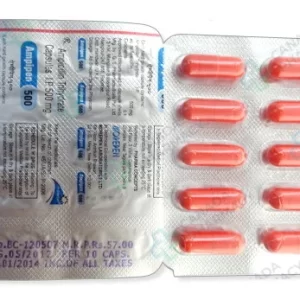
Ampicillin
Price range: $ 40,00 through $ 140,00
Active substance: acillin
More Details
This product has multiple variants. The options may be chosen on the product page
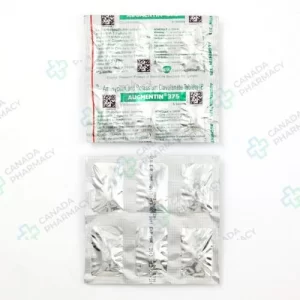
Augmentin
Price range: $ 56,00 through $ 678,00
Active substance: amoxicillin, clavulanate
More Details
This product has multiple variants. The options may be chosen on the product page
Azee
Price range: $ 30,00 through $ 150,00
Active substance: Azithromycin
More Details
This product has multiple variants. The options may be chosen on the product page
Azithromycin DT
Price range: $ 60,00 through $ 972,00
Active substance: Azithromycin
More Details
This product has multiple variants. The options may be chosen on the product page
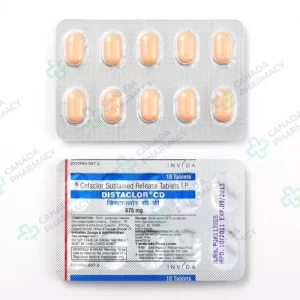
Ceclor CD
Price range: $ 53,00 through $ 154,00
Active substance: Cefaclor
More Details
This product has multiple variants. The options may be chosen on the product page
Cepmox
Price range: $ 41,00 through $ 115,00
Active substance: amoxicillin
More Details
This product has multiple variants. The options may be chosen on the product page
Chloramphenicol
Price range: $ 56,00 through $ 260,00
Active substance: chloramphenicol
More Details
This product has multiple variants. The options may be chosen on the product page
Ciprodex Ophthalmic Solution
Price range: $ 63,00 through $ 95,00
Active substance: Ciprofloxacin, Dexamethasone
More Details
This product has multiple variants. The options may be chosen on the product page