

-28%
Vasotec
Price range: $ 13,00 through $ 207,00
Vega-Extra Cobra
Price range: $ 43,00 through $ 240,00
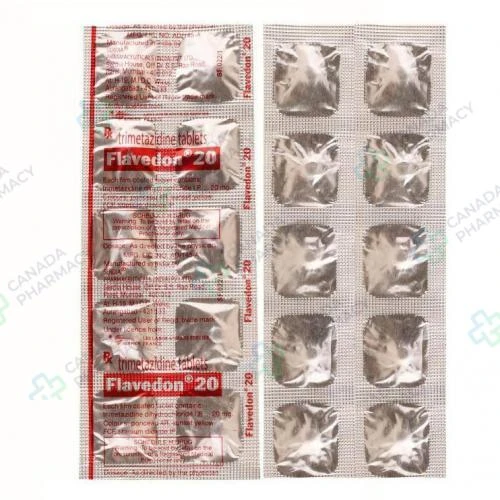
Vastarel
Price range: $ 44,00 through $ 63,00
Vastarel is a specialized metabolic agent primarily used for the long-term treatment and prevention of stable angina pectoris. By improving glucose metabolism within the heart muscle, this medication helps maintain energy production even when oxygen supply is limited. Regular use of the formula can lead to a significant reduction in the frequency and intensity of chest pain episodes during physical exertion. Beyond its cardiovascular applications, it is also effective in managing vascular-related issues such as vertigo and tinnitus. This medication focuses on protecting cellular integrity and enhancing the overall functional capacity of the cardiovascular system.
Active substance: Trimetazidine Dihydrochloride
Delivery: 5–21 days (depending on the shipping method)
Extra 10% discount with coupon: IT4K6SVM
Each dosage option has its own packaging choices.
Description
Vastarel belongs to a class of metabolic anti-ischemic agents designed to optimize cellular energy management during periods of reduced blood flow. The active substance, trimetazidine, operates by shifting myocardial metabolism from fatty acid oxidation toward glucose oxidation, thereby preserving intracellular energy stores during ischemic conditions. Any acquisition or administration of this pharmaceutical agent must be handled in accordance with applicable federal and state regulations.
While prescribed internationally as an add-on therapy for stable angina pectoris, trimetazidine is not approved by the U.S. Food and Drug Administration (FDA) for sale or prescription within the United States. Patients considering or currently taking this medication abroad should be aware of its clinical indications, metabolic mechanism, and potential safety risks, particularly regarding movement disorders.
| Parameter | Details |
|---|---|
| Active Ingredient | Trimetazidine dihydrochloride |
| Primary Purpose | Add-on symptomatic treatment of stable angina pectoris |
| Dosage Form | Oral tablet (immediate-release / modified-release) |
| Route of Administration | Oral |
| Food Interaction | Administer with meals to optimize tolerability |
| Storage Conditions | Store at 68°F to 77°F (20°C to 25°C) away from moisture |
Clinical Overview of Vastarel
Main Uses and Mechanism of Action
Main Uses
Trimetazidine is primarily indicated as an add-on therapeutic option for the symptomatic management of stable angina pectoris in adult patients who are inadequately controlled by or intolerant to first-line antianginal therapies, such as beta-blockers or calcium channel blockers. Clinical guidelines outside the United States specify its use strictly as a secondary line of treatment. It is not indicated for the acute treatment of angina attacks, unstable angina, or myocardial infarction. Because it does not directly alter heart rate or blood pressure, its clinical utility rests on anti-ischemic cellular protection rather than systemic hemodynamics.
How the Drug Works
The primary mechanism of action of trimetazidine involves the selective inhibition of the enzyme 3-ketoacyl-CoA thiolase (3-KAT) in the cardiac mitochondrial beta-oxidation pathway. By restricting fatty acid oxidation, the medication stimulates glucose oxidation within ischemic myocardial cells. Glucose oxidation requires less oxygen consumption per unit of adenosine triphosphate (ATP) generated compared to fatty acid oxidation. Consequently, trimetazidine maintains intracellular ATP levels, preserves cell membrane function, prevents intracellular acidosis, and limits the accumulation of free radicals during myocardial ischemia without exerting direct hemodynamic changes.
Pharmacokinetics and Dosing Schedule
What Happens in the Body
Following oral administration, conventional immediate-release formulations of trimetazidine are rapidly absorbed from the gastrointestinal tract, reaching peak plasma concentrations within approximately 2 to 3 hours. Modified-release formulations provide sustained plasma levels, reaching peak concentrations around 5 hours post-dose. The plasma protein binding of trimetazidine is relatively low, approximately 16%, allowing widespread tissue distribution. The drug is predominantly eliminated unchanged by the kidneys, with over 60% of the dose excreted in urine. The elimination half-life ranges from roughly 6 hours for immediate-release preparations to between 7 and 12 hours for modified-release forms.
How to Take It
In jurisdictions where trimetazidine is approved, standard dosage regimens vary according to the formulation prescribed. Immediate-release tablets are typically administered at 20 mg three times daily with meals. Modified-release formulations (such as 35 mg tablets) are usually taken twice daily, once in the morning and once in the evening during mealtime. Food intake helps maintain steady absorption and reduces potential gastrointestinal discomfort. Dosage adjustments are mandatory in patients with moderate renal impairment, where the dose is reduced by half. The medication is contraindicated in severe renal impairment.
If You Skip a Dose
If a scheduled dose of trimetazidine is missed, the patient should skip the forgotten tablet and take the next dose at the regular scheduled time. Patients must never double the dose or take extra medication to compensate for a missed tablet. Maintaining a consistent administration schedule aligned with regular meals helps preserve stable plasma concentrations and prevents fluctuating cellular exposure.
Safety, Dosing, and Precautions
Adverse Reactions and Interactions
Adverse Reactions
Adverse effects associated with trimetazidine affect several organ systems. The most notable safety concern is the risk of movement disorders, including parkinsonian symptoms (tremor, akinesia, hypertonia), gait instability, and restless legs syndrome. These neurological effects are usually reversible upon drug discontinuation. Gastrointestinal side effects include nausea, vomiting, abdominal pain, dyspepsia, and diarrhea. Dermatologic reactions such as rash, pruritus, and urticaria may occur. Hematologic adverse events, including agranulocytosis, thrombocytopenia, and purpura, are rare but clinically significant. Central nervous system effects may include dizziness, headache, and sleep disturbances.
Compatibility With Other Medicines
Formal drug interaction studies demonstrate that trimetazidine does not significantly induce or inhibit major cytochrome P450 enzymes, reducing the risk of hepatic metabolic interactions. However, co-administration with antiparkinsonian agents (such as levodopa, dopamine agonists, or selegiline) requires extreme caution or avoidance due to the potential aggravation of extrapyramidal symptoms. Furthermore, combination with other antianginal drugs (such as nitrates, beta-blockers, or calcium channel blockers) is common in clinical practice outside the US, but medical monitoring is essential to evaluate overall therapeutic response and tolerance.
Precautions, Storage, and FAQ
Important Precautions
Trimetazidine is strictly contraindicated in patients with Parkinson’s disease, parkinsonian symptoms, tremors, restless legs syndrome, or other related movement disorders, as the drug can induce or worsen extrapyramidal syndromes. It is also contraindicated in severe renal impairment (creatinine clearance less than 30 mL/min). Patients over 75 years of age exhibit increased exposure to the drug due to age-related decline in renal function, necessitating careful dose selection and monitoring for neurological symptoms. If movement disorders develop during therapy, trimetazidine must be permanently discontinued.
Special Populations
In pediatric populations under 18 years of age, the safety and efficacy of trimetazidine have not been established; therefore, use in children is not recommended. Regarding pregnancy, animal studies do not indicate direct reproductive toxicity, but clinical data in pregnant women are insufficient; use during pregnancy is generally avoided. It is unknown whether trimetazidine or its metabolites are excreted in human milk, so breastfeeding should be discontinued during treatment or the drug should not be taken by nursing mothers.
Red Flags
Patients taking trimetazidine should monitor for specific warning signs that require urgent medical attention. Immediate healthcare intervention is necessary if any of the following occur:
- Onset of movement abnormalities, such as severe tremors, rigidity, involuntary movements, or difficulty walking.
- Signs of severe allergic reactions, including facial swelling, swelling of the lips or tongue, hives, or difficulty breathing.
- Signs of severe blood dyscrasias, such as unexplained fever, sore throat, unexpected bruising, or bleeding.
- Sudden worsening of chest pain or cardiovascular symptoms.
- Severe persistent dizziness, lightheadedness, or loss of balance leading to falls.
Storage and Expiration
Trimetazidine preparations should be stored at controlled room temperature, ideally between 68°F and 77°F (20°C to 25°C), away from excessive heat, moisture, and direct light. Keep the medication in its original blister packaging or container until administration to protect it from environmental humidity. Ensure the medication is kept securely out of reach of children and pets. Do not use tablets past the expiration date printed on the package, and dispose of unused medicine following local disposal guidelines.
Common Questions
Is Vastarel approved for use in the United States by the FDA?
No, Vastarel (trimetazidine) is not approved by the U.S. FDA for marketing or distribution in the United States. In countries where it is approved, it is available under strict prescription regulations as an add-on treatment for stable angina pectoris.
Can Vastarel be used to treat an acute angina attack?
No, Vastarel is not a rapid-acting treatment for acute attacks of angina. It is designed as a long-term preventive add-on therapy. Acute episodes of chest pain require short-acting sublingual nitrate therapy or emergency medical attention.
Why is Vastarel contraindicated in individuals with Parkinson’s disease?
Trimetazidine can induce or aggravate extrapyramidal symptoms, including muscle rigidity, tremors, and gait disturbances. Consequently, it is strictly contraindicated in patients with established Parkinson’s disease or preexisting movement disorders.
How does renal function affect the dosing of Vastarel?
Because trimetazidine is primarily excreted unchanged by the kidneys, impaired renal clearance leads to drug accumulation in the bloodstream. Patients with moderate renal impairment require a 50% dose reduction, while those with severe renal impairment (creatinine clearance under 30 mL/min) must not take the drug.
Should Vastarel be taken with food?
Yes, taking trimetazidine tablets with meals is recommended to optimize absorption consistency and reduce the potential for gastrointestinal side effects such as nausea or stomach discomfort.
In accordance with federal regulations and FDA guidance regarding unapproved foreign substances.
This text is for informational purposes only and does not constitute individual medical advice.
Additional information
| Dosage |
20 mg |
|---|---|
| Package |
60 pills ,90 pills ,120 pills |
| Ενεργός Ουσία |
Related products

Aceon
Price range: $ 51,00 through $ 491,00
Active substance: erbumine, perindopril
More Details
This product has multiple variants. The options may be chosen on the product page
Assurans
Price range: $ 50,00 through $ 70,00
Active substance: Sildenafil Citrate
More Details
This product has multiple variants. The options may be chosen on the product page
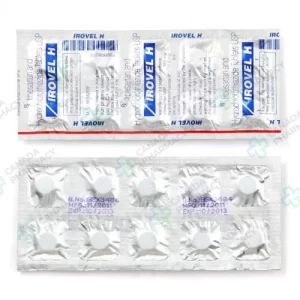
Avalide
Price range: $ 66,00 through $ 333,00
Active substance: Irbesartan
More Details
This product has multiple variants. The options may be chosen on the product page
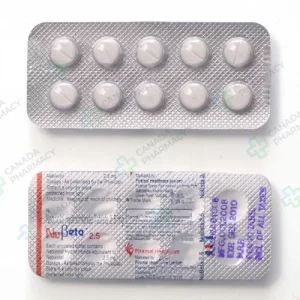
Bystolic
Price range: $ 38,00 through $ 275,00
Active substance: Nebivolol
More Details
This product has multiple variants. The options may be chosen on the product page
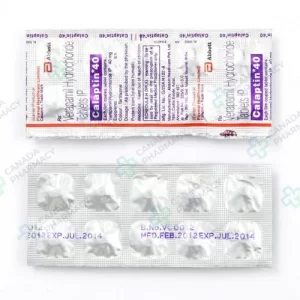
Calan
Price range: $ 46,00 through $ 242,00
Active substance: Verapamil
More Details
This product has multiple variants. The options may be chosen on the product page

Cozaar
Price range: $ 41,00 through $ 281,00
Active substance: Losartan
More Details
This product has multiple variants. The options may be chosen on the product page
Doxazosin
Price range: $ 42,00 through $ 332,00
Active substance: Doxazosin
More Details
This product has multiple variants. The options may be chosen on the product page
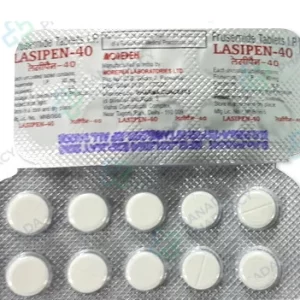
Furosemide
Price range: $ 46,00 through $ 193,00
Active substance: furosemide
More Details
This product has multiple variants. The options may be chosen on the product page