

-53%
Varnitrip
Price range: $ 55,00 through $ 900,00
Vastarel
Price range: $ 44,00 through $ 63,00
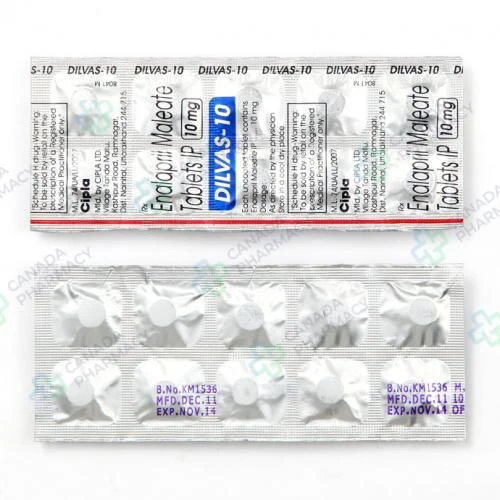
Vasotec
Price range: $ 13,00 through $ 207,00
Vasotec is an effective medication primarily used to treat high blood pressure and various stages of heart failure. As a proven ACE inhibitor, it works by relaxing the blood vessels to ensure blood flows more smoothly throughout the body. By maintaining healthy blood pressure levels, this treatment helps prevent serious cardiovascular complications such as strokes and heart attacks. It is also frequently utilized to improve survival rates and manage symptoms associated with a weakened heart muscle. This reliable therapy supports long-term cardiovascular health by effectively reducing the overall workload on the heart.
Active substance: Enalapril
Delivery: 5–21 days (depending on the shipping method)
Extra 10% discount with coupon: IT4K6SVM
Each dosage option has its own packaging choices.
Description
Vasotec belongs to a class of cardiovascular medications known as angiotensin-converting enzyme (ACE) inhibitors. It is prescribed primarily for the management of hypertension, symptomatic heart failure, and asymptomatic left ventricular dysfunction to improve clinical outcomes.
As an oral prescription medication regulated by the US Food and Drug Administration (FDA), Vasotec requires professional clinical evaluation and individualized dosing adjustments by a licensed prescriptor. Treatment regimens must be tailored to specific baseline cardiovascular and renal parameters.
| Parameter | Details |
|---|---|
| Drug Name | Vasotec |
| Active Ingredient | Enalapril maleate |
| Therapeutic Class | Angiotensin-Converting Enzyme (ACE) Inhibitor |
| Dosage Form | Oral tablet |
| Route of Administration | Oral |
| Primary Purpose | Management of hypertension and heart failure |
| Prescription Status | Prescription (Rx) only |
Clinical Profile and Usage Guidelines
How the drug works
Vasotec contains enalapril maleate, a prodrug that undergoes bioactivation in the liver to convert into its active metabolite, enalaprilat. Enalaprilat inhibits angiotensin-converting enzyme, an essential catalyst in the renin-angiotensin-aldosterone system (RAAS). ACE normally converts angiotensin I into angiotensin II, a potent endogenous vasoconstrictor that also stimulates aldosterone secretion by the adrenal cortex.
By suppressing the production of angiotensin II, Vasotec promotes vascular smooth muscle relaxation, decreases peripheral vascular resistance, and reduces systemic arterial blood pressure. Furthermore, the reduction in aldosterone secretion leads to minor decreases in sodium and water retention. The combined hemodynamic effects reduce both cardiac preload and afterload, improving cardiac output without triggering a compensatory increase in heart rate in patients with heart failure.
Main uses
Vasotec is indicated for the treatment of essential hypertension as monotherapy or in combination with other antihypertensive agents, particularly thiazide diuretics. Reducing elevated blood pressure helps decrease the long-term risk of fatal and nonfatal cardiovascular events, including stroke and myocardial infarction.
The medication is also indicated for the management of symptomatic congestive heart failure, where it is typically administered alongside digitalis and diuretics to increase survival rates and lower the frequency of hospitalization. Additionally, Vasotec is indicated for patients with asymptomatic left ventricular dysfunction (ejection fraction 35 percent or less) to slow the progression to overt heart failure and reduce the incidence of cardiac hospitalization.
Dosing schedule
Dosing for Vasotec is strictly individualized based on the patient’s therapeutic target, kidney function, and concomitant use of diuretics. For adult hypertension, the initial starting dose typically ranges from 2.5 mg to 5 mg orally once daily. Depending on the blood pressure response, the dosage may be adjusted upward to a standard maintenance range of 10 mg to 40 mg daily, administered as a single dose or divided into two equal doses.
In patients with heart failure or left ventricular dysfunction, treatment is initiated at a low dose, typically 2.5 mg once or twice daily, under close clinical monitoring for symptomatic hypotension. The dose is titrated upward over several weeks to a target maintenance dose of 20 mg daily in divided doses, provided the patient tolerates the initial increments. In patients with severe renal impairment (creatinine clearance less than 30 mL/min), initial doses are lowered and adjusted cautiously.
What happens in the body
Following oral administration, approximately 60 percent of the enalapril dose is absorbed from the gastrointestinal tract. Peak serum concentrations of unchanged enalapril occur within approximately one hour. Enalapril is rapidly and extensively hydrolyzed in the liver to enalaprilat, reaching peak serum concentrations within 3 to 4 hours post-dose.
The effective half-life for accumulation of enalaprilat following multiple oral doses of Vasotec is approximately 11 hours. Excretion of enalapril and enalaprilat is predominantly renal, with approximately 94 percent of the administered dose recovered in the urine and feces as active or intact drug. Renal clearance of enalaprilat is closely correlated with glomerular filtration rate, requiring dosage adjustments in individuals with renal impairment.
Safety, Interactions, and Special Considerations
Compatibility with other medicines
Vasotec may interact with several drug classes, potentially altering therapeutic efficacy or raising the risk of adverse events. Concomitant administration with potassium-sparing diuretics (such as spironolactone, triamterene, or amiloride), potassium supplements, or salt substitutes containing potassium significantly increases the risk of hyperkalemia. Serum potassium concentrations must be routinely monitored when these agents are combined.
Co-administration of nonsteroidal anti-inflammatory drugs (NSAIDs), including selective COX-2 inhibitors, may attenuate the antihypertensive effect of Vasotec and increase the risk of renal functional deterioration, particularly in elderly or volume-depleted patients. Concurrent use of lithium with ACE inhibitors can lead to elevated serum lithium concentrations and lithium toxicity. Dual blockade of the renin-angiotensin system with angiotensin receptor blockers (ARBs) or aliskiren increases the risks of hypotension, hyperkalemia, and renal dysfunction.
Adverse reactions
The safety profile of Vasotec is characterized by reactions common to the ACE inhibitor class. The most frequently reported adverse effect is a persistent, nonproductive dry cough, which occurs in a subset of patients and resolves only after discontinuation of the medication. Other relatively common central nervous system and vascular reactions include dizziness, headache, fatigue, and orthostatic hypotension.
Less common but clinically significant side effects include hyperkalemia, excessive hypotension, diarrhea, nausea, and minor elevations in serum creatinine or blood urea nitrogen (BUN). Severe hypersensitivity reactions, such as angioedema involving the face, extremities, lips, tongue, glottis, or larynx, occur rarely but require immediate clinical intervention due to the risk of airway compromise.
Important precautions
Vasotec carries a boxed warning regarding fetal toxicity. Drugs that act directly on the renin-angiotensin system can cause injury and death to the developing fetus when administered during the second and third trimesters of pregnancy. When pregnancy is detected, Vasotec must be discontinued as soon as possible.
Patients taking Vasotec should be monitored for signs of angioedema. Head and neck angioedema may cause airway obstruction; if laryngeal stridor or swelling of the tongue occurs, the drug must be discontinued immediately and emergency therapy instituted. Caution is required in patients with renal artery stenosis, severe volume depletion, or severe heart failure, as ACE inhibition may precipitate acute renal failure or severe hypotension.
What to avoid while taking it
Patients taking Vasotec should avoid potassium supplements and potassium-rich salt substitutes unless specifically directed by their prescribing physician. Excessive intake of alcohol can potentiate the blood pressure-lowering effect of Vasotec, increasing the frequency of dizziness, lightheadedness, or fainting.
Care should also be taken to maintain adequate fluid intake. Dehydration resulting from excessive sweating, severe diarrhea, or vomiting can lead to an excessive drop in blood pressure and impaired kidney function. Patients should consult their physician before undertaking strenuous activity in hot weather.
If you skip a dose
If a dose of Vasotec is missed, it should be taken as soon as remembered on the same day. However, if it is almost time for the next scheduled dose, the missed dose should be skipped entirely, and the regular dosing schedule resumed. Patients must not double the dose to compensate for a missed tablet, as this increases the risk of acute hypotension.
Special populations
In pediatric patients (aged 1 month to 16 years) with hypertension, clinical evaluations support dosing based on body weight, though use is not recommended in neonates or pediatric patients with a glomerular filtration rate under 30 mL/min/1.73 m². In elderly patients (65 years and older), initial doses should be selected cautiously due to the higher prevalence of decreased renal function and concomitant chronic disease states.
Vasotec is excreted in human milk in trace amounts. Because of the potential for serious adverse reactions in nursing infants, a decision should be made whether to discontinue nursing or discontinue the drug, taking into account the importance of the medication to the mother.
Practical tips
Vasotec may be taken with or without food, as food intake does not clinically alter the rate or extent of absorption of enalapril. Blood pressure and kidney function parameters should be evaluated regularly during treatment, especially during initial dose titration or after dose adjustments.
Patients experiencing lightheadedness upon standing should transition slowly from sitting or lying positions to minimize orthostatic symptoms. Routine home blood pressure monitoring can provide valuable data for the treating physician to evaluate therapeutic efficacy.
Common questions
Is a persistent dry cough a mandatory reason to stop taking Vasotec?
A persistent dry cough is a known class effect of ACE inhibitors caused by the accumulation of bradykinin. While it is not physically dangerous, it will not resolve while continuing the medication. If the cough affects sleep or daily activities, consult your prescribing physician to discuss switching to an alternative blood pressure medication, such as an angiotensin receptor blocker.
What should be done if Vasotec is taken during pregnancy?
Vasotec must be discontinued immediately if pregnancy occurs or is suspected. Exposure to ACE inhibitors during the second and third trimesters poses severe risks to fetal development, including renal failure, skull hypoplasia, and oligohydramnios. Contact your healthcare provider right away for safe alternative treatments.
Can blood potassium levels increase while taking Vasotec?
Yes, inhibition of aldosterone by Vasotec can lead to potassium retention by the kidneys. This risk is higher in individuals with kidney impaired function, diabetes, or those taking potassium supplements. Regular blood tests are performed to monitor serum potassium levels during therapy.
How quickly does Vasotec begin lowering blood pressure?
The onset of blood pressure reduction is typically noticeable within one hour after oral administration, with peak blood pressure reduction occurring between 4 and 6 hours. Full therapeutic blood pressure control may require several weeks of continuous daily administration.
Is it safe to stop taking Vasotec abruptly if blood pressure normalizes?
No, blood pressure control requires ongoing management. Normal blood pressure readings indicate that the medication is working effectively. Discontinuing Vasotec suddenly may lead to a rebound increase in blood pressure. Any adjustment to treatment must be guided by your healthcare provider.
In accordance with FDA requirements.
This text is for informational purposes only and does not constitute individual medical advice.
Additional information
| Dosage |
2.5 mg ,5mg ,10mg ,20 mg |
|---|---|
| Package |
30 pills ,60 pills ,90 pills ,120 pills ,180 pills ,270 pills ,360 pills |
| Ενεργός Ουσία |
Related products
Adalat
Price range: $ 41,00 through $ 267,00
Active substance: Nifedipine
More Details
This product has multiple variants. The options may be chosen on the product page
Aquazide
Price range: $ 18,00 through $ 30,00
Active substance: hydrochlorothiazide
More Details
This product has multiple variants. The options may be chosen on the product page
Combipres
Price range: $ 50,00 through $ 202,00
Active substance: chlorthalidone, clonidine hydrochloride
More Details
This product has multiple variants. The options may be chosen on the product page
Coreg
Price range: $ 41,00 through $ 651,00
Active substance: Carvedilol
More Details
This product has multiple variants. The options may be chosen on the product page

Diltiazem HCL
Price range: $ 52,00 through $ 393,00
Active substance: Diltiazem
More Details
This product has multiple variants. The options may be chosen on the product page
Dipyridamole
Price range: $ 43,00 through $ 257,00
Active substance: Dipyridamole
More Details
This product has multiple variants. The options may be chosen on the product page
Doxazosin
Price range: $ 42,00 through $ 332,00
Active substance: Doxazosin
More Details
This product has multiple variants. The options may be chosen on the product page

Eliquis
Price range: $ 60,00 through $ 320,00
Active substance: Apixaban
More Details
This product has multiple variants. The options may be chosen on the product page