

-31%
Xenical
Price range: $ 45,00 through $ 400,00
Xyzal
Price range: $ 47,00 through $ 252,00
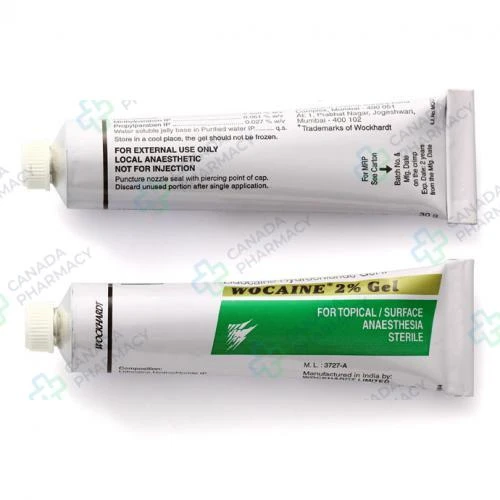
Xylocaine
Price range: $ 50,00 through $ 90,00
Xylocaine is a highly effective local anesthetic designed to provide rapid numbing for a variety of minor medical and dental procedures. The active ingredient works quickly by temporarily blocking nerve signals in the targeted area to ensure a more comfortable experience. It is commonly used to alleviate discomfort from minor skin irritations, superficial burns, and small surface injuries. This versatile medication is available in multiple formulations to suit different localized pain management needs. Xylocaine remains a trusted choice for those seeking reliable, fast-acting relief and a temporary loss of sensation during minor treatments.
Active substance: Lidocaine
Delivery: 5–21 days (depending on the shipping method)
Extra 10% discount with coupon: IT4K6SVM
Each dosage option has its own packaging choices.
Description
Xylocaine belongs to a class of medications known as local anesthetics of the amide type. It is administered to induce local or regional anesthesia, effectively blocking nerve signals in targeted areas of the body prior to surgical, dental, or diagnostic procedures.
Depending on the specific clinical formulation and route of administration, Xylocaine is dispensed as a prescription medication under applicable federal regulations. It is designed to prevent or relieve pain during medical interventions and must be administered under the direction or supervision of a qualified healthcare provider.
| Parameter | Details |
|---|---|
| Active ingredient (INN) | Lidocaine hydrochloride |
| Therapeutic class | Local anesthetic (amide-type); Class IB antiarrhythmic |
| Dosage form | Injectable solution, topical solution, gel, ointment |
| Route of administration | Infiltration, peripheral nerve block, epidural, topical |
| Prescription status | Prescription (Rx) medication |
| Primary purpose | Reversible blockade of nerve impulse conduction to prevent pain |
Clinical Overview and Pharmacology
Key Technical Specifications
How the drug works
The mechanism of action of Xylocaine centers on the stabilization of neuronal membranes. It inhibits the ionic fluxes required for the initiation and conduction of nerve impulses. Specifically, lidocaine blocks voltage-gated sodium channels from within the interior of the nerve cell membrane. This action slows the rate of membrane depolarization, raising the electrical excitation threshold and ultimately preventing the generation and propagation of action potentials. At higher systemic concentrations, such as during intravenous administration in emergency cardiac settings, lidocaine suppresses automaticity in the ventricular conduction system and shortens the effective refractory period in cardiac tissue.
How it’s absorbed and eliminated
Systemic absorption of Xylocaine depends upon total dose, site of administration, tissue vascularity, and whether a vasoconstrictor like epinephrine is added. Peak plasma concentrations occur rapidly following regional nerve blocks or infiltration. Plasma protein binding is approximately 60% to 80%, primarily binding to alpha-1-acid glycoprotein. Lidocaine undergoes rapid hepatic metabolism via cytochrome P450 enzymes, primarily CYP1A2 and CYP3A4, producing active metabolites including monoethylglycinexylidide (MEGX) and glycinexylidide (GX). The elimination half-life of lidocaine in healthy adults is typically 1.5 to 2 hours. Metabolites and less than 10% of unchanged drug are excreted by the kidneys.
Main uses
FDA-approved indications for Xylocaine include local infiltration anesthesia, peripheral nerve blocks, central neural blocks (such as epidural and caudal anesthesia), and topical anesthesia of cutaneous or mucosal surfaces. Injectable formulations are routinely utilized across surgical, obstetrical, and dental settings. Intravenous formulations are explicitly indicated for the acute management of ventricular arrhythmias occurring during cardiac manipulation, such as cardiac surgery or acute myocardial infarction. Off-label indications may include off-label use for chronic neuropathic pain management via intravenous infusion, which requires strict inpatient monitoring protocols.
Compatibility with other medicines
Concomitant administration of Xylocaine with other local anesthetics or Class I antiarrhythmic agents (such as mexiletine) can lead to additive toxic effects. Drugs that reduce hepatic blood flow or inhibit liver microsomal enzymes, such as beta-adrenergic blockers (e.g., propranolol) and cimetidine, may decrease lidocaine clearance and elevate plasma concentrations, heightening toxicity risks. Additionally, co-administration with agents known to induce methemoglobinemia, including nitrates, sulfonamides, or prilocaine, increases the risk of impaired oxygen transport. Careful clinical evaluation is mandatory when combining lidocaine with central nervous system depressants.
Patient Care and Administration Guidelines
Safety and Precautions
Dosing schedule and administration
Dosage varies substantially based on the procedure performed, required depth and duration of anesthesia, vascularity of the targeted tissue, and individual patient characteristics. For local infiltration in adults, single doses of lidocaine hydrochloride without epinephrine generally range from 5 mg up to 300 mg. When combined with epinephrine, maximum total single doses are higher (up to 500 mg) because epinephrine induces local vasoconstriction, slowing systemic vascular absorption. Pediatric dosing must be calculated meticulously based on age, body weight, and physical condition. Administration of parenteral Xylocaine must be conducted by trained healthcare professionals using proper aspiration techniques to prevent accidental intravascular injection.
Adverse reactions
Systemic side effects usually stem from elevated plasma levels caused by excessive dosage, rapid systemic absorption, or inadvertent intravascular administration. Central nervous system manifestations include lightheadedness, nervousness, apprehension, euphoria, confusion, dizziness, tinnitus, blurred vision, tremors, and, in severe cases, generalized convulsions followed by central nervous system depression. Cardiovascular side effects may present as bradycardia, hypotension, or cardiovascular collapse leading to cardiac arrest. Local reactions at the application site can include transient cutaneous erythema, localized edema, or altered sensation. True allergic hypersensitivity reactions to amide-type local anesthetics are rare but can occur due to sensitivity to the active drug or preservatives such as methylparaben.
Important precautions
Caution must be exercised when administering Xylocaine to individuals with hepatic disease, severe renal impairment, or compromised cardiovascular function, as reduced clearance increases the likelihood of toxic drug accumulation. Emergency resuscitation equipment, oxygen, and therapeutic drugs for seizure management must be immediately available during parenteral administration. Patients with severe heart block or severe bradycardia require careful baseline evaluation. To avoid systemic toxicity, clinicians routinely perform aspiration for blood prior to injecting Xylocaine into tissues.
Emergency Indicators
Red flags
Immediate emergency medical intervention is required if signs of systemic toxicity or hypersensitivity develop. Key emergency indicators include:
- Difficulty breathing, shortness of breath, or wheezing
- Swelling of the face, lips, tongue, or throat
- Chest pain, irregular heartbeat, or severe bradycardia
- Sudden muscle twitching, tremors, or seizures
- Severe dizziness, sudden confusion, or loss of consciousness
- Bluish discoloration of the lips or skin (cyanosis), indicating potential methemoglobinemia
What you may notice early on
Following localized injection or topical application of Xylocaine, sensory loss occurs rapidly, often within 1 to 5 minutes depending on the administration site. Patients typically experience localized numbness, reduced tactile feeling, and loss of temperature sensation in the treated area. Motor function in nearby muscle structures may also be transiently diminished. As the anesthetic effect dissipates over 1 to 3 hours, mild tingling or warm sensations gradually return as normal nerve conduction resumes.
Special populations
Lidocaine crosses the placenta; during pregnancy, Xylocaine should be used only if clearly indicated and prescribed by a clinician. Lidocaine is excreted in small amounts in human breast milk, necessitating caution when administered to a nursing mother. Elderly patients may exhibit reduced hepatic blood flow or diminished renal function, often requiring reduced doses to prevent accumulation. In pediatric patients, strict weight-based dose limits must be maintained to prevent systemic toxicity.
Storage and expiration
Store Xylocaine solutions at controlled room temperature, between 20°C and 25°C (68°F to 77°F), with excursions permitted between 15°C and 30°C (59°F to 86°F). Protect the medication from freezing and excessive heat. Formulations containing epinephrine must be protected from light exposure. Parenteral solutions should be inspected visually for particulate matter or discoloration prior to use; solutions that appear discolored or contain precipitates must be discarded. Do not use past the expiration date printed on the container.
Common Questions
How rapidly does Xylocaine initiate local anesthesia?
The onset of action depends on the administration route and specific formulation. For direct infiltration or mucosal topical application, onset typically occurs within 1 to 5 minutes. Regional nerve blocks may take 5 to 15 minutes to reach full sensory blockade.
Why is epinephrine sometimes combined with Xylocaine?
Epinephrine acts as a local vasoconstrictor. When combined with Xylocaine, it reduces local blood flow, which slows the rate of systemic absorption. This extends the duration of anesthesia and allows for higher total dose safety thresholds in appropriate clinical settings.
What factors increase the risk of lidocaine toxicity?
Systemic toxicity risks increase with excessive dosing, rapid administration, accidental direct intravascular injection, severe liver disease (which impairs metabolism), or co-administration of drugs that inhibit CYP enzyme pathways.
Can Xylocaine affect heart rhythm?
Yes. Because lidocaine acts on voltage-gated sodium channels in cardiac tissue, high systemic concentrations can alter heart rate and electrical conduction, potentially causing bradycardia, hypotension, or arrhythmogenic changes.
What should be done if sensory numbness persists far longer than expected?
While local anesthetic effects typically resolve within a few hours, persistent numbness, prolonged weakness, or unexpected neurological symptoms should be reported to a healthcare provider promptly for evaluation.
In accordance with FDA requirements.
This text is for informational purposes only and does not constitute individual medical advice.
Additional information
| Dosage |
50 gm |
|---|---|
| Package |
8 tubes ,10 tubes |
| Ενεργός Ουσία |
Related products
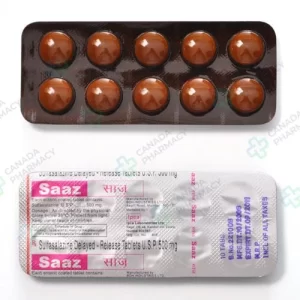
Azulfidine
Price range: $ 58,00 through $ 193,00
Active substance: sulfasalazine
More Details
This product has multiple variants. The options may be chosen on the product page
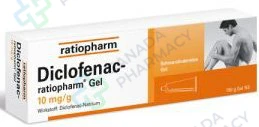
Diclofenac Gel
Price range: $ 39,00 through $ 73,00
Active substance: diclofenac
More Details
This product has multiple variants. The options may be chosen on the product page
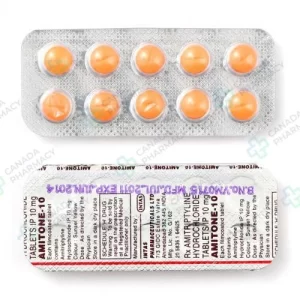
Elavil
Price range: $ 39,00 through $ 222,00
Active substance: amitriptyline
More Details
This product has multiple variants. The options may be chosen on the product page
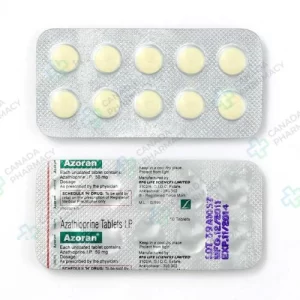
Imuran
Price range: $ 29,00 through $ 302,00
Active substance: Azathioprine
More Details
This product has multiple variants. The options may be chosen on the product page
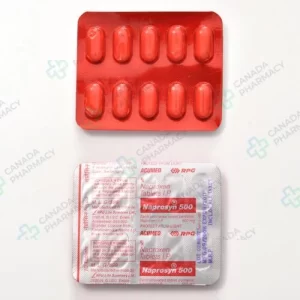
Naprosyn
Price range: $ 56,00 through $ 260,00
Active substance: naproxen
More Details
This product has multiple variants. The options may be chosen on the product page
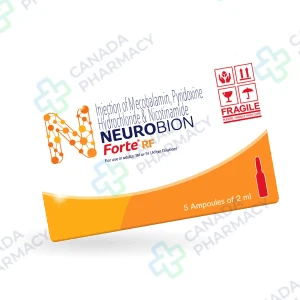
Neurobion Forte Injection
Price range: $ 24,00 through $ 43,00
More Details
This product has multiple variants. The options may be chosen on the product page
Nurofen
Price range: $ 41,00 through $ 76,00
Active substance: ibuprofen
More Details
This product has multiple variants. The options may be chosen on the product page
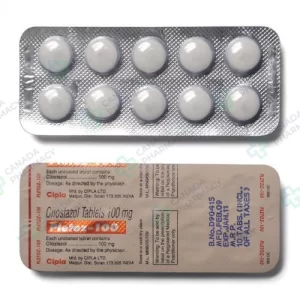
Pletal
Price range: $ 41,00 through $ 434,00
Active substance: Cilostazol
More Details
This product has multiple variants. The options may be chosen on the product page