

-57%
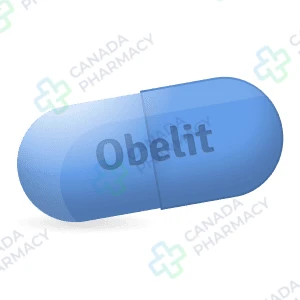
Obelit
Price range: $ 33,00 through $ 474,00
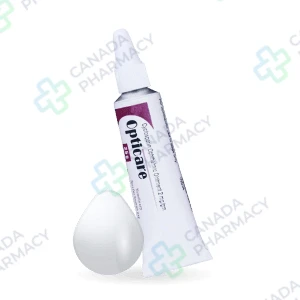
Opticare Ointment
Price range: $ 26,00 through $ 98,00
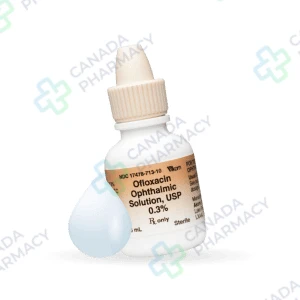
Ofloxacin
Price range: $ 18,00 through $ 312,00
Ofloxacin is a highly effective fluoroquinolone antibiotic designed to combat a wide range of bacterial infections. It works by preventing the growth and spread of harmful bacteria by disrupting their essential DNA replication process. This medication is primarily indicated for treating infections of the urinary tract, including cystitis and prostatitis. It is also utilized to address lower respiratory tract conditions such as chronic bronchitis and pneumonia. Furthermore, Ofloxacin serves as a reliable treatment for various skin infections and specific sexually transmitted diseases.
Active substance: Ofloxacin
Delivery: 5–21 days (depending on the shipping method)
Extra 10% discount with coupon: IT4K6SVM
Each dosage option has its own packaging choices.
Description
Ofloxacin belongs to a class of synthetic broad-spectrum antibacterial agents known as fluoroquinolones. In the United States, it is a prescription-only medication approved by the FDA for treating specific bacterial infections when alternative treatment options are considered inappropriate or ineffective. Because fluoroquinolones carry significant warnings regarding severe adverse events, treatment must be initiated and monitored strictly by a licensed healthcare provider.
This medication is formulated for systemic administration as oral tablets, as well as topical formulations including ophthalmic drops for eye infections and otic solutions for ear conditions. Patients must use this drug exactly as prescribed for the designated duration to ensure bacterial eradication and reduce the risk of developing drug-resistant strains.
| Parameter | Details |
|---|---|
| Drug Name | Ofloxacin |
| Active Ingredient | Ofloxacin |
| Therapeutic Class | Fluoroquinolone antibacterial agent |
| Dosage Form | Oral tablet, ophthalmic solution, otic solution |
| Route of Administration | Oral, ophthalmic, otic |
| Prescription Status | Prescription only (Rx) |
How the drug works
Ofloxacin exerts its antimicrobial action by inhibiting bacterial type II topoisomerases, specifically DNA gyrase and topoisomerase IV. DNA gyrase is an essential bacterial enzyme responsible for introducing negative supercoils into double-stranded DNA, facilitating replication, transcription, repair, and recombination. Topoisomerase IV plays a critical role in decatenating daughter chromosomes during cell division. By targeting these enzymes, the medication disrupts bacterial DNA architecture, halting cell division and leading to rapid cell death.
It exhibits bactericidal activity against a broad spectrum of Gram-negative organisms, such as Escherichia coli, Pseudomonas aeruginosa, and Haemophilus influenzae, as well as select Gram-positive pathogens. However, it is completely ineffective against viral infections such as the common cold or influenza. Misuse or overuse of antibacterial agents can lead to decreased effectiveness over time.
Main uses
Systemic oral ofloxacin is approved by the FDA for the treatment of mild-to-moderate adult infections caused by susceptible strains of microorganisms. These indications include acute bacterial exacerbations of chronic bronchitis, community-acquired pneumonia, uncomplicated skin and skin structure infections, uncomplicated urethral and cervical gonorrhea, non-gonococcal urethritis and cervicitis, acute pelvic inflammatory disease, uncomplicated cystitis, and complicated urinary tract infections.
Due to serious adverse reaction risks associated with fluoroquinolones, federal regulatory guidelines recommend reserving this agent for uncomplicated urinary tract infections, chronic bronchitis exacerbations, or acute sinusitis only when no alternative therapy options exist. Ophthalmic and otic formulations are indicated for superficial ocular infections (such as bacterial conjunctivitis) and ear canal infections (such as otitis externa or chronic suppurative otitis media with perforated tympanic membranes), respectively. Any use outside FDA label guidelines is considered off-label and requires distinct clinical justification by a prescriber.
Dosing schedule
Dosage forms and regimens vary depending on the site, severity, and nature of the infection, as well as individual patient renal function. For systemic oral therapy in adults with normal kidney function, standard dosages range from 200 mg to 400 mg administered orally every 12 hours. Treatment durations typically span from 3 to 14 days based on the specific condition being treated, such as a 3-day course for uncomplicated cystitis or a 10-to-14-day course for pelvic inflammatory disease.
For patients with renal impairment (creatinine clearance less than or equal to 50 mL/min), dosing intervals or total daily amounts must be adjusted by a physician to prevent drug accumulation and toxicity. Topical ophthalmic and otic drops require specific instillation techniques and dosing frequencies determined by a clinician. Never alter your dosage, skip doses, or stop treatment early, even if symptoms resolve, as incomplete courses encourage bacterial resistance.
What happens in the body
Following oral administration, ofloxacin is rapidly and almost completely absorbed from the gastrointestinal tract, achieving peak plasma concentrations within 1 to 2 hours. The oral bioavailability approaches 98%, meaning an oral dose produces serum concentrations comparable to intravenous administration. It distributes widely into body tissues and fluids, including lung tissue, blister fluid, prostatic tissue, cervical tissue, and urine, with a volume of distribution ranging from 1.5 to 2.5 L/kg.
Plasma protein binding is relatively low, approximately 20% to 32%. The drug undergoes minimal hepatic metabolism, with less than 5% excreted as metabolites (such as desmethyl-ofloxacin and ofloxacin N-oxide). The primary elimination pathway is renal, with approximately 75% to 80% of an administered dose excreted unchanged in the urine within 48 hours via glomerular filtration and active tubular secretion. The elimination half-life in adults with normal renal function ranges between 5 and 8 hours, but it is significantly prolonged in patients with severe renal insufficiency.
Important precautions
Warning: Fluoroquinolones, including systemic ofloxacin, carry FDA Boxed Warnings due to severe, disabling, and potentially irreversible adverse reactions that can occur together in the same patient. These include tendinitis and tendon rupture (most commonly involving the Achilles tendon), peripheral neuropathy, and central nervous system effects such as tremors, psychosis, anxiety, and confusion. Systemic use can also exacerbate muscle weakness in patients with myasthenia gravis, potentially leading to life-threatening respiratory failure.
Avoid this drug if you have a known hypersensitivity to fluoroquinolones. Special caution is required in elderly patients, organ transplant recipients, individuals taking concurrent systemic corticosteroids, and those with underlying cardiac conditions such as QTc interval prolongation or aortic aneurysm history. Safety and effectiveness in pediatric patients under 18 years of age have not been established for systemic formulations due to arthropathy risks observed in juvenile animal studies.
Adverse reactions
Common side effects associated with systemic oral treatment include nausea, headache, dizziness, insomnia, diarrhea, abdominal pain, and skin rash. Topical ophthalmic or otic administration may cause transient local irritation, burning, stinging, or localized redness in the eye or ear canal. These mild symptoms should be reported to your healthcare provider if they persist or worsen.
Severe and serious adverse reactions demand immediate discontinuation of the medication. These include severe hypersensitivity reactions (anaphylaxis, facial swelling, or Stevens-Johnson syndrome), central nervous system toxicity (seizures, hallucinations, depression, suicidal ideation), peripheral neuropathy symptoms (numbness, tingling, burning pain, or altered sensation), and tendon inflammation or rupture. Additionally, fluoroquinolones are associated with Clostridioides difficile-associated diarrhea, which can range from mild diarrhea to fatal colitis, and altered blood glucose homeostasis (severe hypoglycemia or hyperglycemia), particularly in diabetic patients receiving concomitant insulin or oral hypoglycemic agents.
Red flags
Warning: Discontinue the medication immediately and seek emergency medical care if you experience any of the following warning signs during or shortly after treatment:
- Sudden pain, swelling, tenderness, inflammation, or a popping sound in a joint or tendon.
- Symptoms of peripheral nerve damage, such as burning pain, tingling, numbness, shooting pain, or weakness in the arms or legs.
- Signs of a severe allergic reaction, including swelling of the face, lips, tongue, or throat, or difficulty breathing.
- Severe central nervous system or psychiatric changes, such as confusion, hallucinations, severe anxiety, depression, or suicidal thoughts.
- Rapid, pounding, or irregular heartbeat, severe dizziness, lightheadedness, or sudden fainting.
- Severe, persistent, watery, or bloody diarrhea accompanied by severe abdominal cramps and fever.
| Emergency Sign / Symptom | Immediate Action Required |
|---|---|
| Swelling or severe pain in tendons (e.g., Achilles) | Stop taking the drug, rest the limb, contact emergency care |
| Numbness, tingling, or burning pain in extremities | Discontinue use immediately and consult your physician |
| Difficulty breathing or facial/throat swelling | Seek immediate emergency medical assistance (Call 911) |
| Seizures, hallucinations, or severe mental changes | Stop medication and get immediate emergency evaluation |
| Severe, watery, or bloody diarrhea with cramps | Contact your healthcare provider right away; do not self-treat |
What not to combine
Systemic ofloxacin exhibits significant interactions with multiple classes of medications. Co-administration with multivalent cation-containing products–such as antacids containing aluminum or magnesium, sucralfate, iron supplements, multivitamin preparations with zinc, or didanosine chewable tablets–drastically reduces oral absorption. These agents must be administered at least 2 hours before or 2 hours after ofloxacin dosing.
Concomitant use with nonsteroidal anti-inflammatory drugs (NSAIDs) like ibuprofen or naproxen may increase the risk of central nervous system stimulation and convulsive seizures. Taking this agent concurrently with systemic corticosteroids significantly elevates the risk of severe tendonitis and tendon rupture. It may also prolong the QTc interval; therefore, concurrent administration with Class IA or Class III antiarrhythmics, tricyclic antidepressants, or macrolide antibiotics should be strictly monitored or avoided. Careful therapeutic drug monitoring is required when prescribed with warfarin, as prothrombin times may be prolonged.
Food and alcohol interactions
Oral ofloxacin can generally be taken with or without food. However, taking it with meals high in calcium (such as milk, yogurt, or calcium-fortified juice) without other food may decrease drug absorption; therefore, separate administration from isolated high-calcium items. Maintain adequate hydration during therapy to prevent crystalluria (formation of microscopic crystals in the urine).
While alcohol does not directly alter the metabolic clearance of the drug, consuming alcohol during treatment is strongly discouraged. Alcohol can worsen central nervous system side effects such as dizziness, lightheadedness, and drowsiness, and may impair your body’s immune system while recovering from an active infection.
If you skip a dose
If you forget to take a prescribed dose, take it as soon as you remember. However, if it is almost time for your next scheduled dose, skip the missed dose and resume your regular dosing schedule. Never double the dose or take extra medicine to make up for a missed dosage.
Taking an extra dose increases the concentration of the drug in your body, raising the risk of severe side effects such as central nervous system toxicity or cardiac arrhythmias. Maintaining consistent serum levels is crucial for suppressing bacterial growth, so try to set reminders to keep your dosing schedule consistent.
Storage and expiration
Store oral tablets and topical drops at controlled room temperature, between 68°F and 77°F (20°C to 25°C), away from excessive heat, moisture, and direct light. Keep the container tightly closed in a dry area; do not store medications in a humid bathroom cabinet. Ensure that ophthalmic and otic drop containers remain tightly capped when not in use to prevent microbial contamination.
Discard any unused liquid drops or medication after the expiration date printed on the package or as instructed by your pharmacist. Always keep this and all medications safely stored out of the reach of children and pets.
Common questions
Is it safe to drive or operate machinery while taking this medication?
Ofloxacin can cause central nervous system side effects such as dizziness, lightheadedness, drowsiness, and visual disturbances. You should not drive, operate heavy machinery, or engage in hazardous activities requiring complete mental alertness until you know how this medication affects you. If you experience dizziness or confusion, refrain from activities that could put you or others at risk.
What should I do if I develop joint or tendon pain during treatment?
If you experience sudden tendon pain, swelling, or tenderness, stop taking ofloxacin immediately and avoid exercising or bearing weight on the affected area. Tendon inflammation or rupture can occur during treatment or several months after completing the course. Contact your prescriber right away for medical evaluation and to switch to a non-fluoroquinolone alternative.
Why is it necessary to finish the entire prescribed course even if I feel completely better?
Stopping an antibacterial medication prematurely allows surviving bacteria to multiply, which can lead to a relapse of the infection. Furthermore, partial exposure to antibiotics promotes the development of drug-resistant strains of bacteria, making future infections harder to treat. Always complete the exact duration prescribed by your healthcare provider.
Can this drug affect blood sugar levels in diabetic patients?
Yes, fluoroquinolones can disrupt glucose regulation, causing either low blood sugar (hypoglycemia) or high blood sugar (hyperglycemia). Diabetic patients taking insulin or oral antidiabetic medications should monitor their blood glucose levels closely. If symptoms of hypoglycemia–such as dizziness, sweating, fast heartbeat, or confusion–occur, seek immediate medical attention.
How long does ofloxacin remain in the body after stopping treatment?
In adults with normal kidney function, the elimination half-life of ofloxacin is approximately 5 to 8 hours. It typically takes about 5 half-lives (roughly 25 to 40 hours) for the drug to be substantially cleared from the bloodstream. However, patients with reduced kidney function clear the medication more slowly, requiring individual monitoring.
In accordance with FDA requirements.
The information presented here is not a substitute for professional medical advice.
Additional information
| Dosage |
100 mg ,200 mg ,400 mg |
|---|---|
| Package |
10 pills ,20 pills ,30 pills ,60 pills ,90 pills ,120 pills ,180 pills ,360 pills |
| Ενεργός Ουσία |
Related products

Azee DT
Price range: $ 20,00 through $ 42,00
Active substance: Azithromycin
More Details
This product has multiple variants. The options may be chosen on the product page
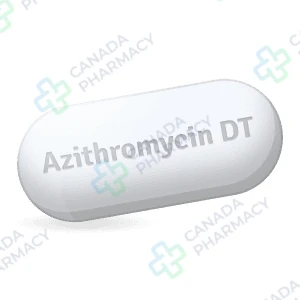
Azithromycin DT
Price range: $ 60,00 through $ 972,00
Active substance: Azithromycin
More Details
This product has multiple variants. The options may be chosen on the product page
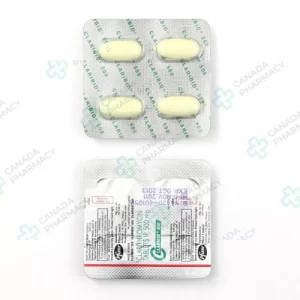
Biaxin
Price range: $ 107,00 through $ 427,00
Active substance: Clarithromycin
More Details
This product has multiple variants. The options may be chosen on the product page
Cefaclor
Price range: $ 68,00 through $ 3 600,00
Active substance: cefaclor monohydrate
More Details
This product has multiple variants. The options may be chosen on the product page
Cephadex
Price range: $ 16,00 through $ 48,00
Active substance: cephalexin
More Details
This product has multiple variants. The options may be chosen on the product page
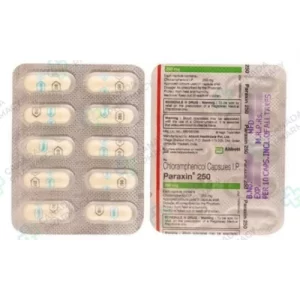
Chloromycetin
Price range: $ 52,00 through $ 242,00
Active substance: chloramphenicol
More Details
This product has multiple variants. The options may be chosen on the product page
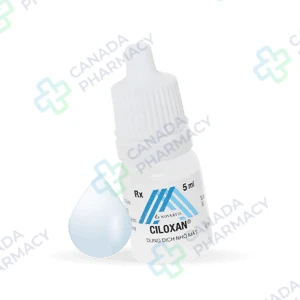
Ciloxan Ophthalmic Solution
Price range: $ 50,00 through $ 63,00
Active substance: Ciprofloxacin hydrochloride
More Details
This product has multiple variants. The options may be chosen on the product page
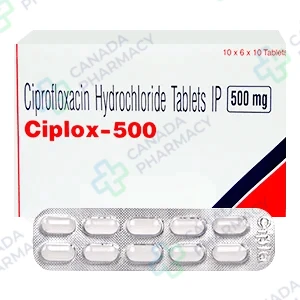
Ciplox
Price range: $ 49,00 through $ 434,00
Active substance: Ciprofloxacin
More Details
This product has multiple variants. The options may be chosen on the product page