

-40%
Remeron
Price range: $ 41,00 through $ 537,00
Renalka
Price range: $ 51,00 through $ 89,00
Renagel
Price range: $ 132,00 through $ 1 172,00
Renagel is an effective phosphate binder specifically designed to control serum phosphorus levels in adults with chronic kidney disease on dialysis. The active ingredient, sevelamer hydrochloride, works by binding to phosphorus in the digestive tract to prevent it from being absorbed into the bloodstream. By maintaining healthy phosphorus balance, this medication helps reduce the risk of serious complications associated with hyperphosphatemia. These tablets are intended to be taken with meals to ensure the highest level of efficiency during the digestion process. This trusted treatment supports essential mineral stability and promotes overall bone health for individuals managing advanced renal conditions.
Active substance: Sevelamer
Delivery: 5–21 days (depending on the shipping method)
Extra 10% discount with coupon: IT4K6SVM
Each dosage option has its own packaging choices.
Description
Renagel – Information for Patients and Caregivers
Renagel (sevelamer hydrochloride) belongs to a class of medications known as non-calcium phosphate binders. It is FDA-approved to control serum phosphorus levels in adult patients with chronic kidney disease (CKD) who are undergoing hemodialysis. Because hyperphosphatemia can lead to serious bone and vascular complications, maintaining balanced phosphorus levels forms a core component of renal care.
As a prescription-only drug in the United States, Renagel must be used under strict medical supervision and alongside personalized dietary phosphate restriction.
Basic Information Overview
| Active Ingredient | Sevelamer hydrochloride |
| Therapeutic Class | Phosphate binder |
| Dosage Form | Oral tablet (400 mg, 800 mg) |
| Route of Administration | Oral |
| Primary Purpose | Reduction of serum phosphorus in CKD on hemodialysis |
| Prescription Status | Prescription (Rx) only |
What It’s Used For
Renagel is indicated for the control of elevated serum phosphorus (hyperphosphatemia) in adult patients with end-stage renal disease (ESRD) who are receiving hemodialysis treatment. In individuals with advanced renal impairment, the kidneys lose their capacity to adequately filter and excrete excess phosphate derived from food. Accumulation of phosphate in the bloodstream triggers secondary hyperparathyroidism and contributes to renal osteodystrophy as well as soft-tissue and vascular calcification.
While dietary restrictions are essential, dietary management alone is rarely sufficient for hemodialysis patients. Renagel helps manage phosphate absorption without introducing an extra calcium load into the system, which represents a clinical consideration when comparing non-calcium agents to traditional calcium-based phosphate binders.
How the Drug Works
Renagel contains sevelamer hydrochloride, a non-absorbed cross-linked polymer containing multiple amine groups separated by carbon chains. In the gastrointestinal tract, these amine groups become partially protonated and bind dietary phosphate molecules through ionic interactions and hydrogen bonding. By binding phosphate directly within the lumen of the gut, the medication prevents its absorption into systemic circulation, thereby lowering serum phosphate levels.
Additionally, sevelamer has demonstrated an affinity for binding bile acids in the intestine. This secondary mechanism can lead to a modest reduction in total and low-density lipoprotein (LDL) cholesterol levels in patients receiving therapy.
What Happens in the Body
Unlike systemic pharmaceutical agents, sevelamer hydrochloride is not absorbed into the bloodstream following oral ingestion. Quantitative mass balance studies demonstrate that sevelamer hydrochloride remains entirely localized within the gastrointestinal tract and is subsequently excreted unchanged in the feces.
Because the drug acts locally without systemic absorption, standard systemic pharmacokinetic parameters–such as absolute bioavailability, volume of distribution, hepatic metabolism, elimination half-life, and renal clearance–do not apply. Therapeutic binding activity depends entirely on the presence of dietary phosphorus in the intestinal lumen at the time of food intake.
Dosing Schedule
The dosage of Renagel must be individualized based on the patient’s baseline serum phosphorus concentration. Tablets are supplied in 400 mg and 800 mg strengths. Patients initiating treatment typically start with a prescribed dose distributed evenly across three daily meals, ranging from 800 mg to 1600 mg per meal depending on initial laboratory results.
Healthcare providers evaluate blood phosphorus levels regularly and adjust the dosage incrementally by one tablet per meal at 2-week intervals to achieve target laboratory goals (generally between 3.5 and 5.5 mg/dL). Tablets must be swallowed whole with meals and should never be chewed, crushed, or broken prior to administration, as the polymer expands upon contact with liquid.
Compatibility with Other Medicines
Because Renagel functions as an intestinal binding agent, it has the potential to decrease the oral absorption and bioavailability of concomitant medications. Clinical studies have shown that sevelamer can bind drugs such as ciprofloxacin, mycophenolate mofetil, and levothyroxine when taken simultaneously. Certain antiarrhythmic and anticonvulsant agents may also experience reduced absorption.
To reduce the risk of binding interactions, affected oral medications should generally be administered at least 1 hour before or 3 hours after taking Renagel. Prescribers should monitor blood levels or clinical efficacy of co-administered narrow-therapeutic-index drugs when starting or adjusting sevelamer therapy.
Adverse Reactions
The clinical efficacy of Renagel is weighed against its gastrointestinal tolerability profile. Common adverse reactions reported in clinical trials include nausea, vomiting, diarrhea, dyspepsia, abdominal pain, flatulence, and constipation. These gastrointestinal symptoms are generally mild to moderate but require close monitoring during dose titration.
In rare post-marketing reports, serious events such as dysphagia, esophageal impaction, bowel obstruction, and intestinal perforation have been observed, particularly in patients with pre-existing digestive motility disorders. While Renagel avoids the calcification risks associated with calcium-based binders, its gastrointestinal side effects require careful evaluation in susceptible individuals.
Important Precautions
Renagel is contraindicated in patients with bowel obstruction or a known hypersensitivity to sevelamer hydrochloride or any of its formulation components. Caution is warranted in individuals with active inflammatory bowel disease, severe gastrointestinal motility disorders, dysphagia, or major gastrointestinal surgery history.
Regarding special populations, the safety and effectiveness of Renagel in pediatric patients have not been established. For pregnant or nursing women, sevelamer is not absorbed systemically, so direct fetal toxicity is not anticipated; however, potential reductions in maternal absorption of fat-soluble vitamins (vitamins A, D, E, and K) and folic acid require clinical management and ongoing monitoring.
What to Avoid While Taking It
Renagel must be ingested during or immediately following meals or major snacks because its functional mechanism relies on binding phosphate present in dietary sources. Taking the tablet on an empty stomach drastically reduces its clinical utility and increases the risk of local mucosal irritation. Patients should maintain consistency with their prescribed renal diet as recommended by their healthcare team.
While there is no direct chemical interaction with alcohol, alcohol consumption can complicate fluid management, blood pressure control, and dietary adherence in patients undergoing hemodialysis.
If You Skip a Dose
If a patient forgets to take Renagel with a meal, the missed dose should be skipped entirely. Taking the tablet long after a meal has passed, or taking it immediately before a meal without eating, provides minimal phosphate-binding benefit and increases the likelihood of stomach discomfort.
Patients should resume their normal dosing schedule with their next meal. Under no circumstances should two doses be taken at the same time to compensate for a missed dose.
Signs of Improvement
Evaluating the therapeutic response to Renagel relies primarily on periodic laboratory blood tests. Patients will not directly feel a noticeable change in physical symptoms, as hyperphosphatemia itself is typically asymptomatic in its initial phases.
Successful treatment is confirmed when follow-up blood panels show that serum phosphorus concentrations have decreased into the target clinical range established by the attending nephrologist. Reductions in serum parathyroid hormone (PTH) levels over time also serve as an indicator of managed mineral and bone metabolism.
Day-to-Day Use
Integrating Renagel into daily routines requires careful coordination around meal schedules and medication timing. Patients should carry their designated mealtime doses when traveling or dining away from home to ensure the medication is taken alongside food.
Tablets should be swallowed whole with a full glass of water. Patients who experience difficulty swallowing large tablets should contact their healthcare provider to discuss appropriate management strategies rather than attempting to alter the physical integrity of the tablet.
Common Questions
Can Renagel tablets be broken or crushed for easier swallowing?
No, Renagel tablets must be swallowed whole and should not be crushed, broken, or chewed. The active ingredient, sevelamer hydrochloride, expands when exposed to liquids. Crushing or breaking the tablet can cause it to swell prematurely in the mouth or esophagus, creating a potential choking hazard or esophageal blockage.
How does Renagel differ from calcium-based phosphate binders?
Renagel is a non-calcium, non-aluminum polymer binder. Traditional binders use calcium carbonate or calcium acetate to bind phosphate, which can contribute to elevated blood calcium levels (hypercalcemia) and vascular calcification in kidney disease patients. Renagel effectively binds phosphate in the digestive tract without delivering additional systemic calcium.
Why must Renagel be taken strictly with meals?
Renagel works locally inside the stomach and intestines by binding to the phosphate contained in the food you eat. If taken on an empty stomach, there is no dietary phosphate available for the medication to bind, rendering the dose ineffective. Taking it with food ensures the binder mixes directly with digestive contents.
What should be done if constipation occurs during treatment?
Constipation is a recognized side effect of sevelamer therapy. Patients experiencing bowel changes should inform their nephrologist or healthcare team promptly. Because fluid intake is restricted in hemodialysis patients, constipation management must be tailored carefully under medical supervision to prevent severe bowel complications.
Does Renagel lower fat-soluble vitamin levels?
Because sevelamer can bind bile acids in the intestine, it may potentially reduce the absorption of fat-soluble vitamins such as A, D, E, and K, as well as folic acid. Healthcare providers typically monitor vitamin levels and overall nutritional status in patients receiving long-term treatment, recommending supplementation when clinically indicated.
In accordance with FDA requirements.
The information presented here is not a substitute for professional medical advice. Always consult your healthcare provider for clinical decision-making regarding prescription medications.
Additional information
| Dosage |
400 mg ,800mg |
|---|---|
| Package |
30 pills ,60 pills ,90 pills ,120 pills ,360 pills |
| Ενεργός Ουσία |
Related products
Allopurinol
Price range: $ 17,00 through $ 238,00
Active substance: allopurinol
More Details
This product has multiple variants. The options may be chosen on the product page

Bentyl
Price range: $ 63,00 through $ 900,00
Active substance: Dicyclomine
More Details
This product has multiple variants. The options may be chosen on the product page
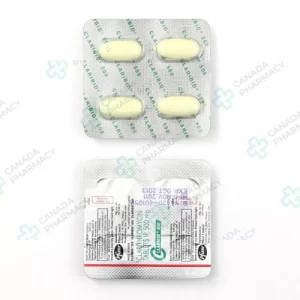
Biaxin
Price range: $ 107,00 through $ 427,00
Active substance: Clarithromycin
More Details
This product has multiple variants. The options may be chosen on the product page
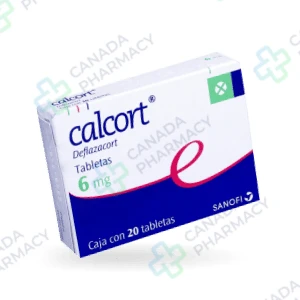
Calcort
Price range: $ 54,00 through $ 430,00
Active substance: Deflazacort
More Details
This product has multiple variants. The options may be chosen on the product page
Dramamine
Price range: $ 10,00 through $ 207,00
Active substance: dimenhydrinate
More Details
This product has multiple variants. The options may be chosen on the product page
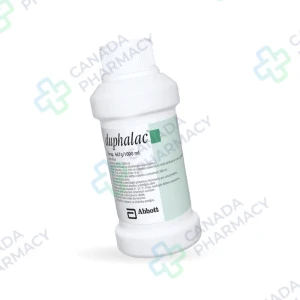
Duphalac
Price range: $ 48,00 through $ 300,00
Active substance: Lactulose
More Details
This product has multiple variants. The options may be chosen on the product page
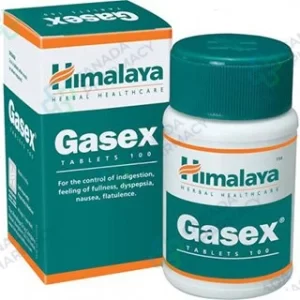
Gasex
Price range: $ 40,00 through $ 241,00
Active substance: Gasex
More Details
This product has multiple variants. The options may be chosen on the product page
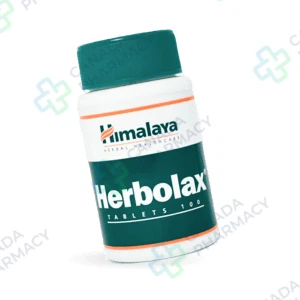
Herbolax
Price range: $ 50,00 through $ 83,00
Active substance: Chebulic Myrobalan, Trivruth
More Details
This product has multiple variants. The options may be chosen on the product page