

-47%
Reglan
Price range: $ 41,00 through $ 132,00
Renagel
Price range: $ 132,00 through $ 1 172,00
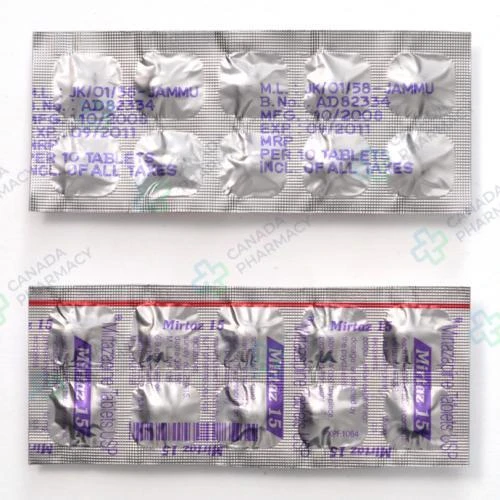
Remeron
Price range: $ 41,00 through $ 537,00
Remeron is a trusted antidepressant medication specifically formulated to treat major depressive disorder. As a tetracyclic antidepressant, it works by restoring the balance of natural chemicals like norepinephrine and serotonin in the brain. This treatment is designed to alleviate persistent feelings of sadness and improve overall mood stability. In addition to boosting emotional well-being, Remeron may help normalize sleep patterns and appetite for those struggling with clinical depression. Its unique mechanism of action makes it a reliable choice for effectively managing the complex symptoms of depressive episodes.
Active substance: Mirtazapine
Delivery: 5–21 days (depending on the shipping method)
Extra 10% discount with coupon: IT4K6SVM
Each dosage option has its own packaging choices.
Description
Remeron belongs to a class of antidepressant medications known as central presynaptic alpha-2 adrenergic antagonists, containing the active ingredient mirtazapine. It is approved by the U.S. Food and Drug Administration (FDA) as a prescription-only treatment for major depressive disorder (MDD) in adults.
By enhancing noradrenergic and specific serotonergic neurotransmission in the central nervous system, this agent provides a distinct therapeutic pathway compared to standard selective serotonin reuptake inhibitors. Therapy must be initiated and monitored under the direct supervision of a licensed healthcare professional in accordance with federal and state regulations.
| Parameter | Product Details |
|---|---|
| Drug Name | Remeron |
| Active Ingredient (INN) | Mirtazapine |
| Therapeutic Class | Central presynaptic alpha-2 adrenergic antagonist / Antidepressant |
| Dosage Form | Oral tablet, Orally disintegrating tablet |
| Route of Administration | Oral |
| Primary Purpose | Major Depressive Disorder (MDD) |
| Prescription Status | Prescription only (Rx) |
Pharmacological Profile and Clinical Indications
Mechanism of Action
Remeron (mirtazapine) acts primarily as an antagonist at central presynaptic alpha-2 adrenergic autoreceptors and heteroreceptors. Blockade of these receptors leads to an increase in central noradrenergic and serotonergic neurotransmission. Regarding serotonin receptor subtypes, mirtazapine acts as a potent antagonist at 5-HT2 and 5-HT3 receptors, while displaying low affinity for 5-HT1A receptors, which indirectly enhances 5-HT1A-mediated transmission. Furthermore, mirtazapine exhibits high affinity as an H1 histamine receptor antagonist, accounting for its prominent sedative properties and appetite-stimulating profile. It displays low to moderate affinity for peripheral alpha-1 adrenergic and muscarinic cholinergic receptors.
What It’s Used For
The sole FDA-approved indication for Remeron is the treatment of major depressive disorder (MDD) in adult patients. Clinical efficacy is characterized by improvement in core depressive symptoms, including persistent depressed mood, loss of interest in daily activities, sleep disturbances, and vegetative symptoms. Any clinical application outside of major depressive disorder–such as the management of primary insomnia, generalized anxiety disorder, post-traumatic stress disorder, or appetite stimulation in chronic illness–is classified as off-label use. Off-label indications have not received formal evaluation by the FDA for safety and efficacy, and prescribing for these conditions relies on individual clinical assessment.
Dosing and Pharmacokinetics
Dosing Schedule
Remeron is administered orally, typically as a single daily dose taken prior to sleep to reduce daytime somnolence. The initial recommended starting dosage is 15 mg once daily. Based on clinical evaluation and patient response, the daily dosage may be titrated up to a maximum recommended limit of 45 mg. Dosage changes should occur at intervals of no less than one to two weeks to permit proper assessment of therapeutic response. Oral tablets must be swallowed whole with fluid. If orally disintegrating tablets are prescribed, they should be placed on the tongue, allowed to disintegrate rapidly, and swallowed without chewing.
How It’s Absorbed and Eliminated
Following oral administration, mirtazapine is rapidly and completely absorbed from the gastrointestinal tract, achieving peak plasma concentration within approximately 2 hours. Absolute oral bioavailability is approximately 50%, primarily attributable to first-pass hepatic metabolism. Plasma protein binding is approximately 85% over the therapeutic concentration range. Mirtazapine undergoes extensive hepatic metabolism via cytochrome P450 enzymes, predominantly CYP1A2, CYP2D6, and CYP3A4. The elimination half-life of mirtazapine ranges between 20 and 40 hours, demonstrating longer half-lives in female patients compared to males. Approximately 75% of the total dose is excreted in urine, while 15% is eliminated via feces.
Safety Information, Dosing, and Precautions
Adverse Effects and Warnings
Adverse Reactions
The most commonly reported adverse reactions associated with Remeron include somnolence (reported in over 50% of clinical trial subjects), dry mouth, increased appetite, and weight gain. Dizziness, constipation, and peripheral edema are also observed. Laboratory evaluations may demonstrate transient elevations in serum cholesterol, triglycerides, or transaminases. Severe, though infrequent, adverse reactions include agranulocytosis and severe neutropenia; patients exhibiting signs of infection, such as fever or sore throat, require immediate hematologic monitoring. Discontinuation of therapy can precipitate withdrawal-like symptoms, including agitation, abnormal dreams, nausea, and headache, requiring gradual dose reduction under clinical oversight.
Important Precautions
Remeron carries an FDA Boxed Warning regarding an increased risk of suicidal thoughts and behaviors in children, adolescents, and young adults under 24 years of age during initial therapy. Prescribers and caregivers must closely monitor patients for worsening depression, emergent suicidality, or unusual behavioral changes. Remeron is not approved for pediatric use. Patients with renal impairment (creatinine clearance < 39 mL/min) or hepatic impairment exhibit reduced clearance of mirtazapine; dose adjustments may be required. Elderly individuals may demonstrate increased sensitivity to adverse effects, particularly sedation and orthostatic hypotension. Patients with a history of seizures, angle-closure glaucoma, or bipolar disorder require thorough baseline evaluation.
Compatibility With Other Medicines
Concomitant administration of Remeron with Monoamine Oxidase Inhibitors (MAOIs) is strictly contraindicated due to the risk of severe, potentially fatal serotonin syndrome. A minimum 14-day washout period is required between stopping an MAOI and starting mirtazapine, or vice versa. Caution is warranted when combining mirtazapine with other central nervous system depressants, alcohol, or sedating agents, as somnolence may be potentiated. Strong CYP3A4 inducers (such as carbamazepine or phenytoin) can significantly lower mirtazapine plasma levels, requiring potential dose adjustments, whereas CYP3A4 inhibitors (such as ketoconazole) may elevate drug concentrations. Co-administration with serotonergic agents (including SSRIs, SNRIs, or triptans) increases serotonin syndrome risks.
What to Avoid While Taking It
Food intake has a negligible effect on the rate and extent of mirtazapine absorption, allowing Remeron to be taken with or without food. However, patients must strictly avoid consuming alcohol during therapy. Alcohol potentiates the central nervous system depressant effects of mirtazapine, leading to significant impairment of motor performance, cognitive function, alertness, and reaction time. Concurrent use of over-the-counter sedating medications or sedating antihistamines should also be avoided unless authorized by a healthcare provider.
First Days of Treatment
During the initial days of treatment, patients frequently experience noticeable sedation and an increase in appetite. The sedating effect typically occurs rapidly after dose administration, which underpins the recommendation for evening dosing. Therapeutic antidepressant effects, however, do not manifest immediately; clinical improvements in overall mood, anxiety, and vegetative symptoms generally require 2 to 4 weeks of continuous daily therapy. Treatment should not be discontinued prematurely if immediate antidepressant effects are not observed.
If You Skip a Dose
If a dose of Remeron is missed at the scheduled bedtime, the patient should skip the missed dose if it is not remembered until the following day. Taking a missed dose during daytime hours can cause excessive daytime drowsiness and cognitive impairment. Patients should proceed with their regular dosing schedule at the next scheduled bedtime. A double dose should never be taken to compensate for a missed tablet.
Special Populations
Data regarding the use of mirtazapine in pregnant women are limited. Remeron should be prescribed during pregnancy only if the potential therapeutic benefit justifies the potential risk to the fetus. Mirtazapine is excreted in human milk in small quantities; prescribers must weigh the benefits of breastfeeding alongside the mother’s clinical need for treatment and potential adverse effects on the infant. In pediatric populations, efficacy has not been established, and the risk of suicidal ideation is elevated.
Common Questions
Is weight gain a temporary side effect of Remeron?
Weight gain associated with Remeron is primarily mediated by increased appetite and metabolic changes secondary to H1 histamine receptor antagonism. It frequently persists throughout the course of active therapy rather than resolving spontaneously, making routine nutritional management and physical monitoring appropriate clinical considerations.
Why is Remeron typically prescribed to be taken at bedtime?
Remeron possesses potent H1 antihistaminic activity, which induces marked sedation. Administering the medication at bedtime aligns its peak sedative effect with the patient’s sleep cycle, minimizing daytime somnolence while facilitating sleep onset.
How long does it take for Remeron to be cleared from the body after stopping?
Given an elimination half-life ranging between 20 and 40 hours, it generally requires approximately 4 to 5 days (equivalent to 4–5 elimination half-lives) for mirtazapine to be substantially cleared from systemic circulation. Discontinuation should strictly follow a medically supervised tapering schedule to minimize withdrawal symptoms.
Can Remeron cause serotonin syndrome when combined with other drugs?
Yes, combining Remeron with other serotonergic agents–such as SSRIs, SNRIs, triptans, tramadol, or St. John’s wort–increases the risk of serotonin syndrome. Symptoms include neuromuscular hyperreactivity, altered mental status, and autonomic instability, requiring immediate medical intervention.
Does a lower dose of Remeron cause more sedation than a higher dose?
Pharmacologically, at lower doses (e.g., 7.5 mg to 15 mg), the H1 antihistaminic sedative effect of mirtazapine predominates over its noradrenergic activity. At higher doses (such as 30 mg to 45 mg), increased central noradrenergic neurotransmission may offset some histaminergic sedation, though individual patient responses vary.
In accordance with FDA requirements and labeling standards.
This text is for informational purposes only and does not constitute individual medical advice.
Additional information
| Dosage |
7.5 mg ,15 mg ,30mg |
|---|---|
| Package |
30 pills ,60 pills ,90 pills ,120 pills ,180 pills ,240 pills ,270 pills ,300 pills ,360 pills |
| Ενεργός Ουσία |
Related products
Amitriptyline
Price range: $ 41,00 through $ 114,00
Active substance: amitriptyline
More Details
This product has multiple variants. The options may be chosen on the product page
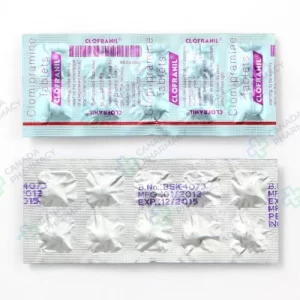
Anafranil
Price range: $ 41,00 through $ 457,00
Active substance: Clomipramine
More Details
This product has multiple variants. The options may be chosen on the product page
Bupron SR
Price range: $ 50,00 through $ 510,00
Active substance: Bupropion
More Details
This product has multiple variants. The options may be chosen on the product page
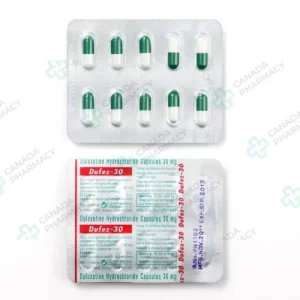
Cymbalta
Price range: $ 46,00 through $ 561,00
Active substance: Duloxetine
More Details
This product has multiple variants. The options may be chosen on the product page
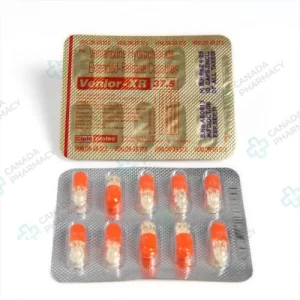
Effexor XR
Price range: $ 36,00 through $ 310,00
Active substance: Venlafaxine
More Details
This product has multiple variants. The options may be chosen on the product page
Lithium
Price range: $ 16,00 through $ 139,00
Active substance: Lithium
More Details
This product has multiple variants. The options may be chosen on the product page
Paroxetine
Price range: $ 44,00 through $ 321,00
Active substance: paroxetine
More Details
This product has multiple variants. The options may be chosen on the product page
Pexep
Price range: $ 42,00 through $ 162,00
Active substance: paroxetine
More Details
This product has multiple variants. The options may be chosen on the product page