

-33%
Trecator SC
Price range: $ 52,00 through $ 378,00

Tretinoin 0,025
Price range: $ 45,00 through $ 56,00
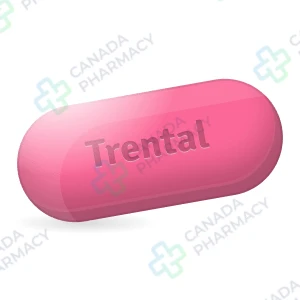
Trental
Price range: $ 49,00 through $ 196,00
Trental is an effective medication formulated to improve blood circulation by reducing the thickness of the blood. It works by making red blood cells more flexible, allowing them to flow more easily through narrowed arteries and small blood vessels. This medication is primarily used to treat the symptoms of intermittent claudication caused by chronic peripheral vascular disease. Patients often experience significant relief from leg pain, cramping, and fatigue during walking or other physical activities. By enhancing oxygen delivery to the extremities, Trental supports better mobility and overall vascular health.
Active substance: Pentoxifylline
Delivery: 5–21 days (depending on the shipping method)
Extra 10% discount with coupon: IT4K6SVM
Each dosage option has its own packaging choices.
Description
Trental belongs to a class of medications known as hemorheologic agents, which are formulated to improve blood flow through peripheral blood vessels. It contains the active ingredient pentoxifylline in extended-release tablet formulations intended for oral administration. In the United States, this medication is available by prescription only under federal regulations.
The primary therapeutic objective of Trental is to reduce blood viscosity and enhance red blood cell flexibility in patients experiencing peripheral vascular conditions. By optimizing microcirculatory perfusion, the medication helps relieve symptoms associated with compromised arterial circulation in the limbs, such as muscular pain during walking.
| Property | Details |
|---|---|
| Active ingredient (INN) | Pentoxifylline |
| Therapeutic class | Hemorheologic agent |
| Dosage form | Extended-release oral tablet |
| Route of administration | Oral |
| Primary purpose | Management of intermittent claudication |
| Prescription status | Prescription only (Rx) |
General Pharmacological Profile
Main uses
Trental is FDA-approved for the treatment of patients suffering from intermittent claudication secondary to chronic occlusive arterial disease of the limbs. Intermittent claudication is characterized by painful muscular cramping, aching, or fatigue in the legs during physical exertion, such as walking, caused by inadequate arterial blood supply to the exercising muscles. By improving blood flow through narrowed blood vessels, pentoxifylline helps increase pain-free walking distance and overall functional mobility in affected individuals.
Any potential use of Trental for conditions outside of intermittent claudication–such as diabetic nephropathy, alcoholic hepatitis, or idiopathic pulmonary fibrosis–is considered off-label. Off-label indications are not approved by the FDA, and treatment for these conditions should only occur under the direct supervision and guidance of a qualified healthcare provider.
How the drug works
The mechanism of action of Trental centers on its ability to alter the rheological properties of blood, thereby improving microvascular flow and tissue oxygenation. Pentoxifylline and its active metabolites increase erythrocyte (red blood cell) flexibility, decrease blood viscosity, and inhibit erythrocyte aggregation. This enhanced flexibility allows red blood cells to pass more easily through compromised or narrowed capillaries.
Additionally, Trental reduces plasma fibrinogen concentrations and inhibits platelet aggregation by inhibiting phosphodiesterase enzymes. This inhibition leads to increased intracellular cyclic adenosine monophosphate (cAMP) levels in vascular smooth muscle cells and blood platelets. These physiological actions collectively reduce peripheral vascular resistance and enhance oxygen delivery to ischemic tissues without significantly altering systemic blood pressure or heart rate under normal conditions.
Dosing schedule
The standard adult dosage of Trental is one 400 mg extended-release tablet taken orally three times daily with meals. Taking the medication with food is recommended to minimize potential gastrointestinal side effects, such as nausea or stomach upset. The extended-release tablets must be swallowed whole with fluid; they should not be crushed, chewed, or broken, as doing so alters the controlled-release mechanism and can lead to rapid release of the active drug.
Therapeutic efficacy is cumulative. Although some patients may experience symptom improvement within 2 to 4 weeks, continuous treatment for up to 8 weeks may be necessary to fully evaluate the clinical response. If a patient experiences severe gastrointestinal or central nervous system side effects, the dosage may be reduced to 400 mg twice daily. If adverse effects persist at the lower dose, administration should be discontinued under medical advice. Patients with severe renal impairment (creatinine clearance below 30 mL/min) generally require dose reduction.
How it’s absorbed and eliminated
Following oral administration, Trental is rapidly and almost completely absorbed from the gastrointestinal tract. However, pentoxifylline undergoes extensive first-pass hepatic metabolism, resulting in a systemic bioavailability of unchanged pentoxifylline of approximately 10% to 30%. The extended-release formulation provides a sustained release of the drug, maintaining therapeutic plasma levels over an extended period.
Pentoxifylline is extensively metabolized by erythrocytes and the liver into several biotransformation products, including two primary active metabolites: Metabolite I (1-(5-hydroxyhexyl)-3,7-dimethylxanthine) and Metabolite V (1-(3-carboxypropyl)-3,7-dimethylxanthine). Plasma elimination half-life of parent pentoxifylline is short, ranging from 0.4 to 0.8 hours, while the elimination half-lives of its major active metabolites range between 1.0 and 1.6 hours. Excretion is primarily renal, with more than 90% of the administered dose eliminated in the urine as water-soluble metabolites. Less than 4% is excreted in feces.
Safety, Interactions, and Practical Use
Compatibility with other medicines
Trental can interact with several categories of prescription and over-the-counter medications, requiring careful clinical oversight. Coadministration with anticoagulant agents (such as warfarin or heparin) or antiplatelet drugs (such as aspirin or clopidogrel) increases the risk of bleeding complications. Patients receiving concomitant anticoagulant therapy should undergo regular monitoring of prothrombin time and International Normalized Ratio (INR) levels.
Additionally, Trental may potentiate the effect of antihypertensive medications, leading to an increased risk of hypotension. Blood pressure monitoring is recommended when adjusting doses of antihypertensive therapy. Coadministration of pentoxifylline with theophylline can lead to elevated serum theophylline concentrations and an increased risk of theophylline toxicity; serum theophylline levels should be monitored closely. In diabetic patients receiving insulin or oral hypoglycemic agents, Trental may augment hypoglycemia, necessitating frequent blood glucose monitoring.
Adverse reactions
The side effect profile of Trental primarily involves the gastrointestinal and central nervous systems. Gastrointestinal adverse effects are the most commonly reported and include nausea, dyspepsia, abdominal discomfort, belching, bloating, vomiting, and diarrhea. These symptoms occur in approximately 1% to 3% of patients and are often managed by taking the tablet with food or reducing the daily dosage.
Central nervous system side effects may include dizziness, headache, insomnia, nervousness, and flushing. Cardiovascular side effects, though less common, can include chest pain, palpitations, or mild hypotension. Hypersensitivity reactions such as pruritus, rash, urticaria, or severe anaphylactic reactions are rare. Patients who experience signs of severe allergic reaction, severe chest pain, or abnormal bleeding should seek immediate medical evaluation.
Important precautions
Trental is contraindicated in patients with a history of recent cerebral or retinal hemorrhage, as well as those with known intolerance to pentoxifylline or other xanthine derivatives such as caffeine, theophylline, or theobromine. Patients with severe renal impairment (creatinine clearance less than 30 mL/min) require dosage adjustment to prevent drug accumulation and potential toxicity. Hepatic dysfunction also slows metabolism, warranting careful monitoring.
Regarding special populations, Trental is designated as Pregnancy Category C under previous FDA classification systems. Animal reproduction studies have not demonstrated fetal harm at therapeutic doses, but adequate and well-controlled studies in pregnant women are lacking; it should be used during pregnancy only if clearly needed. Pentoxifylline and its metabolites are excreted into human milk, so caution should be exercised when administered to a nursing woman. Safety and effectiveness in pediatric patients under 18 years of age have not been established. Elderly patients may exhibit higher plasma concentrations and require cautious dose selection.
What to avoid while taking it
To ensure optimal absorption and minimize stomach discomfort, Trental should consistently be ingested alongside full meals. There are no direct severe food interactions, but maintaining a consistent pattern of intake relative to meals helps maintain steady absorption and tolerance.
While alcohol does not exhibit a direct chemical inactivation of pentoxifylline, concomitant alcohol consumption can exacerbate central nervous system side effects such as dizziness, lightheadedness, or drowsiness. Alcohol may also independently affect peripheral vascular tone and blood pressure. Excessive dietary intake of xanthine-rich products, such as high volumes of caffeinated coffee or energy drinks, may enhance mild stimulant-like effects in sensitive individuals.
What you may notice early on
When beginning treatment with Trental, patients should understand that vascular improvements occur gradually over time. Symptomatic relief of leg pain or cramping during walking typically requires 2 to 4 weeks of consistent daily administration to become noticeable, with maximal benefits often achieved after 8 weeks.
During the first few days of therapy, patients may experience mild gastrointestinal adjustments, such as minor stomach tightness or mild nausea. Ensuring that tablets are swallowed whole during mealtime generally mitigates these initial gastrointestinal effects. If early side effects remain bothersome or do not resolve, patients should consult their healthcare provider rather than abruptly stopping treatment.
If you skip a dose
If a dose of Trental is missed, it should be taken as soon as remembered, provided it is taken with food. However, if it is nearly time for the next scheduled dose, the missed dose should be skipped entirely, and the normal dosing schedule should be resumed.
Under no circumstances should a patient take two doses simultaneously or take extra tablets to compensate for a missed dose. Taking a double dose increases the likelihood of experiencing gastrointestinal distress, lightheadedness, or cardiovascular side effects. Keeping tablets in a routine daily dispenser can assist in maintaining adherence.
Storage and expiration
Trental tablets should be stored at controlled room temperature between 59°F and 86°F (15°C and 30°C). The container should be kept tightly closed and protected from excessive light, heat, and moisture. Storing medication in humid environments, such as bathroom cabinets, should be avoided.
Keep all prescription medications safely out of the reach of children and pets. Do not use Trental past the expiration date printed on the prescription label or original packaging. Expired or unused medication should be disposed of in accordance with local drug take-back programs or FDA guidelines for safe medicine disposal, rather than flushed down household drains.
Common questions
How long does it usually take to notice an improvement in walking distance?
Therapeutic response to Trental is gradual. While some patients notice minor improvements within 2 to 4 weeks of starting treatment, full clinical benefits typically require up to 8 weeks of consistent daily use as prescribed by a physician.
Can Trental be taken with over-the-counter pain relievers like ibuprofen or aspirin?
Combining Trental with nonsteroidal anti-inflammatory drugs (NSAIDs) like ibuprofen or aspirin can increase the risk of gastrointestinal bleeding or altered clotting. Patients should consult their doctor or pharmacist before combining these medications.
Is Trental approved for treating non-vascular conditions such as diabetic kidney disease?
No. Trental is FDA-approved specifically for intermittent claudication related to chronic peripheral arterial disease. Its use in diabetic nephropathy or other non-vascular conditions is considered off-label and requires strict medical evaluation.
What should I do if I experience nausea or stomach upset after taking a tablet?
Gastrointestinal symptoms can often be reduced by taking the tablet directly with a full meal. If nausea persists, contact your doctor, who may adjust your dosage to 400 mg twice daily until tolerance improves.
Does Trental cause low blood pressure or dizziness?
Dizziness and mild hypotension can occur in a small percentage of patients, particularly if Trental is taken alongside blood pressure medications. If severe lightheadedness occurs, consult your healthcare provider promptly.
In accordance with FDA regulatory standards for prescription pharmaceuticals.
Information on this page is for reference and does not replace an assessment by a licensed healthcare professional.
Additional information
| Dosage |
400mg |
|---|---|
| Package |
60 pills ,90 pills ,120 pills ,180 pills ,270 pills ,360 pills |
| Ενεργός Ουσία |
Related products

Anacin
More Details
This product has multiple variants. The options may be chosen on the product page
Benemid
Price range: $ 48,00 through $ 62,00
Active substance: Probenecidum
More Details
This product has multiple variants. The options may be chosen on the product page
Etodolac
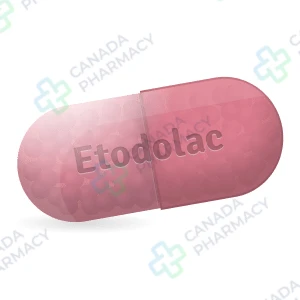
Price range: $ 46,00 through $ 390,00
Active substance: Etodolac
More Details
This product has multiple variants. The options may be chosen on the product page
Imuran
Price range: $ 29,00 through $ 302,00
Active substance: Azathioprine
More Details
This product has multiple variants. The options may be chosen on the product page
Mobic
Price range: $ 18,00 through $ 140,00
Active substance: meloxicam
More Details
This product has multiple variants. The options may be chosen on the product page

Nurofen
Price range: $ 41,00 through $ 76,00
Active substance: ibuprofen
More Details
This product has multiple variants. The options may be chosen on the product page

Periactin
Price range: $ 40,00 through $ 160,00
Active substance: Cyproheptadine
More Details
This product has multiple variants. The options may be chosen on the product page
Pletal
Price range: $ 41,00 through $ 434,00
Active substance: Cilostazol
More Details
This product has multiple variants. The options may be chosen on the product page