-19%
Trazodone
Price range: $ 53,00 through $ 254,00
Trental
Price range: $ 49,00 through $ 196,00
Trecator SC
Price range: $ 52,00 through $ 378,00
Trecator SC is an effective antitubercular medication used primarily to treat active tuberculosis in both adults and children. As a specialized treatment option, this medicine works by inhibiting the growth of bacteria that cause the infection. It is specifically indicated for patients who have developed resistance to primary treatments or when other standard medications are not suitable. To ensure maximum efficacy, this drug is typically administered as part of a comprehensive multi-drug regimen. The medication targets various strains of Mycobacterium tuberculosis, helping to manage and control the spread of the infection within the body.
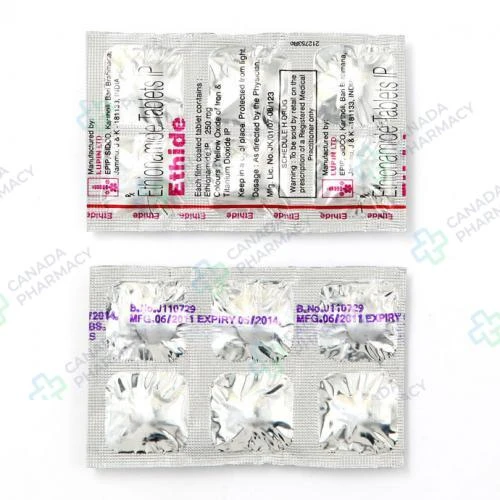
Active substance: Ethionamide
Delivery: 5–21 days (depending on the shipping method)
Extra 10% discount with coupon: IT4K6SVM
Each dosage option has its own packaging choices.
Description
Trecator SC – Patient Information Guide
Trecator SC belongs to a class of antimicrobial medications known as antitubercular agents, specifically synthetic thioamide derivatives. It is prescribed in the United States as a prescription-only therapy for active tuberculosis caused by Mycobacterium tuberculosis when standard first-line medications cannot be used due to drug resistance or patient intolerance. Because ethionamide is a second-line therapeutic agent, it must always be administered in combination with other effective antibacterial drugs to prevent treatment failure and bacterial resistance.
This reference overview outlines essential clinical details regarding the pharmacological profile, administration, and safety considerations associated with Trecator SC treatment under licensed medical supervision.
| Attribute | Clinical Details |
|---|---|
| Active Ingredient | Ethionamide |
| Primary Purpose | Treatment of active tuberculosis (as part of a multi-drug regimen) |
| Route of Administration | Oral |
| Prescription Status | Prescription only (Rx) |
| Dosage Form | Film-coated tablet (250 mg) |
| Storage Parameters | Controlled room temperature 20°C to 25°C (68°F to 77°F) |
Pharmacological Profile and Main Uses
How the drug works
The active ingredient in Trecator SC is ethionamide, a thioamide derivative that exhibits bacteriostatic or bactericidal activity against Mycobacterium tuberculosis depending on the concentration achieved at the infection site and the susceptibility of the organism. The mechanism of action involves the inhibition of mycolic acid synthesis, a vital constituent of the mycobacterial cell wall. By disrupting cell wall integrity, ethionamide prevents bacterial proliferation and cell division. Ethionamide requires metabolic activation within the bacterial cell, mediated by the monooxygenase enzyme EthA. Due to potential cross-resistance with other thioamides like prothionamide, susceptibility testing is recommended prior to initiating therapy.
Main uses
Trecator SC is indicated for the treatment of active pulmonary and extrapulmonary tuberculosis caused by strains of Mycobacterium tuberculosis resistant to primary agents, or when patients demonstrate severe intolerance to first-line therapies such as isoniazid or rifampin. Ethionamide is never recommended as a monotherapy. Single-agent treatment rapidly leads to the development of drug-resistant mycobacterial strains. Prescribers typically combine Trecator SC with two or more secondary antitubercular agents to which the isolate remains susceptible, adhering to established public health guidelines in the United States.
What happens in the body
Following oral administration, ethionamide is readily absorbed from the gastrointestinal tract, reaching peak plasma concentrations within approximately two hours. The drug distributes widely throughout body tissues and fluids, including the central nervous system, where cerebrospinal fluid concentrations approximate those found in serum. Ethionamide undergoes extensive hepatic metabolism to form active and inactive metabolites, including ethionamide sulfoxide. Less than 1% of the parent drug is excreted unchanged in the urine. The biological half-life is approximately two to three hours, necessitating divided daily dosing to maintain effective plasma concentrations.
Administration, Dosing, and Storage
Dosing schedule
The standard adult dosage of Trecator SC ranges from 500 mg to 1000 mg daily, administered orally in divided doses every 8 to 12 hours. Dosage determination depends on patient body weight, therapeutic response, and individual tolerance. In pediatric populations, dosing is calculated based on body weight, typically 15 mg/kg to 20 mg/kg per day in divided doses, not to exceed 1000 mg daily. To mitigate gastrointestinal distress, doses should be taken with or immediately after meals. Physicians frequently initiate therapy at lower doses (e.g., 250 mg daily) and gradually titrate upward to the target maintenance dose over several days to enhance patient tolerance.
If you skip a dose
Adherence to the prescribed regimen is critical to prevent treatment failure and drug resistance. If a dose of Trecator SC is missed, it should be taken as soon as remembered. However, if it is nearly time for the next scheduled dose, the missed dose should be omitted, and the regular schedule resumed. Patients must not double the dose to compensate for a missed administration. Frequent missed doses can lead to subtherapeutic plasma levels and promote the emergence of resistant M. tuberculosis strains.
Storage and expiration
Trecator SC tablets should be stored at controlled room temperature between 20°C and 25°C (68°F to 77°F), with excursions permitted between 15°C and 30°C (59°F to 86°F). The medication must be kept in a tightly closed container, protected from excessive moisture, heat, and direct light. Expiration dates stamped on the commercial packaging indicate the period during which full potency and stability are guaranteed under proper storage conditions. Expired or unused medication should be disposed of in accordance with local drug take-back programs or federal FDA guidelines.
Safety, Precautions, and Drug Interactions
Adverse reactions
Gastrointestinal adverse effects are the most common reactions associated with Trecator SC, including severe nausea, vomiting, epigastric pain, anorexia, diarrhea, and a metallic taste in the mouth. Neurological symptoms such as peripheral neuropathy, optic neuritis, dizziness, headache, tremor, and mental status changes (including anxiety, depression, or psychosis) have also been reported. Hepatic dysfunction, characterized by elevated serum transaminases (AST and ALT), bilirubin elevation, and hepatitis, represents a significant risk. Endocrine disruptions, including hypothyroidism, gynecomastia, impotence, and altered blood glucose control in diabetic individuals, may occur during prolonged therapy.
Important precautions
Baseline hepatic function testing (AST, ALT, total bilirubin) is essential prior to initiating Trecator SC, followed by regular monitoring every two to four weeks throughout treatment. The drug is contraindicated in patients with severe hepatic damage. Baseline and periodic serum thyroid function tests are advised, as ethionamide can induce hypothyroidism, particularly when co-administered with PAS (para-aminosalicylic acid). Prescribers often co-administer pyridoxine (vitamin B6) at doses of 50 mg to 100 mg daily to reduce the incidence of peripheral neurotoxicity. Ophthalmologic evaluations should be performed if patients report visual disturbances.
Compatibility with other medicines
Ethionamide interacts with several concomitant drugs. Co-administration with cycloserine increases the frequency and severity of central nervous system toxicity, including convulsions; combined use requires careful neurological monitoring. Concurrent use with isoniazid may alter isoniazid metabolism and increase neurotoxic or hepatotoxic risks. Rifampin co-administration significantly increases the risk of severe hepatotoxicity. Patients receiving insulin or oral hypoglycemic agents may experience unpredictable alterations in blood glucose levels, requiring close monitoring of glycemic control during Trecator SC therapy.
What to avoid while taking it
Alcoholic beverages must be avoided during Trecator SC therapy. Ethanol consumption significantly heightens the risk of central nervous system toxicity, precipitation of psychotic reactions, and cumulative liver damage. Patients should also avoid taking doses on an empty stomach if gastrointestinal intolerance occurs, as taking the medication alongside food or a light snack improves GI tolerability without impairing systemic absorption.
Special populations
Trecator SC should be used during pregnancy only if the potential benefit justifies the potential risk to the fetus, as animal studies have shown teratogenic potential. It is classified under pregnancy considerations as requiring strict clinical evaluation. It is not fully established whether ethionamide is excreted in human milk; decision-making regarding breastfeeding should weigh the clinical necessity of the drug against potential infant exposure. In elderly patients, dose selection should be conservative, taking into account the higher frequency of decreased hepatic, renal, or cardiac function.
Common Questions
Is it normal to experience a metallic taste or severe nausea when starting Trecator SC?
Yes, gastrointestinal symptoms including nausea, loss of appetite, and a metallic taste in the mouth are among the most frequently observed side effects of ethionamide. Taking doses with food or at bedtime can help reduce these symptoms. If nausea prevents maintaining the prescribed dosing schedule, healthcare providers should be consulted to adjust the dosage titration or manage symptoms safely.
Why is blood work required regularly while taking ethionamide?
Ethionamide carries a risk of liver toxicity and metabolic alterations. Regular laboratory testing–specifically liver enzyme panels (AST and ALT) and thyroid function tests–is necessary to detect hepatic strain or thyroid suppression early. Monitoring allows prescribers to adjust dosages or pause therapy before severe organ injury occurs.
Can Trecator SC affect blood sugar levels in patients with diabetes?
Ethionamide can interfere with glucose management, potentially causing hypoglycemia or unpredictable blood sugar fluctuations in diabetic individuals. Patients managing diabetes should monitor blood glucose levels more frequently during therapy and report significant changes to their prescribing physician.
What should be done if numbness or tingling develops in the hands or feet?
Numbness, tingling, or burning sensations in the extremities may indicate peripheral neuropathy, a known neurological side effect of ethionamide. Prescribers frequently recommend daily supplementation with pyridoxine (vitamin B6) to prevent or diminish these symptoms. Patients experiencing peripheral sensory changes should notify their provider immediately.
How does alcohol consumption impact treatment with Trecator SC?
Alcohol directly increases the risk of severe drug toxicity. Combining ethanol with ethionamide heightens the danger of liver damage and increases the probability of central nervous system adverse effects, such as severe dizziness, confusion, or psychiatric reactions. Complete avoidance of alcohol is advised for the duration of treatment.
The information presented here is not a substitute for professional medical advice.
In accordance with FDA requirements and official product documentation.
Additional information
| Dosage |
250 mg |
|---|---|
| Package |
20 pills ,30 pills ,40 pills ,60 pills ,90 pills ,120 pills ,180 pills |
| Ενεργός Ουσία |
Related products

Amalaki
Price range: $ 42,00 through $ 72,00
Active substance: Amalaki (Emblica officinalis) Extract
More Details
This product has multiple variants. The options may be chosen on the product page
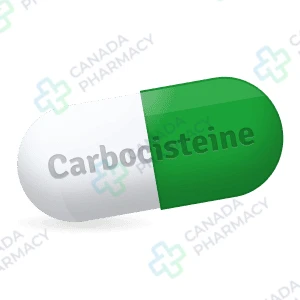
Carbocisteine
Price range: $ 45,00 through $ 65,00
Active substance: Carbocisteine
More Details
This product has multiple variants. The options may be chosen on the product page
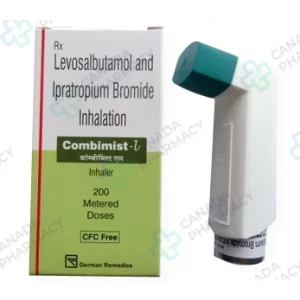
Combivent
Price range: $ 128,00 through $ 384,00
Active substance: albuterol, ipratropium
More Details
This product has multiple variants. The options may be chosen on the product page
Deflazacort
Price range: $ 18,00 through $ 170,00
Active substance: Deflazacort
More Details
This product has multiple variants. The options may be chosen on the product page
Didronel
Price range: $ 57,00 through $ 136,00
Active substance: Etidronate
More Details
This product has multiple variants. The options may be chosen on the product page
Ethionamide
Price range: $ 49,00 through $ 172,00
Active substance: Ethionamide
More Details
This product has multiple variants. The options may be chosen on the product page
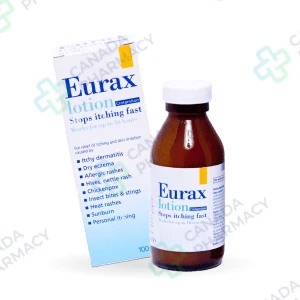
Eurax Lotion
Price range: $ 3,00 through $ 15,00
Active substance: Crotamiton
More Details
This product has multiple variants. The options may be chosen on the product page