

-20%
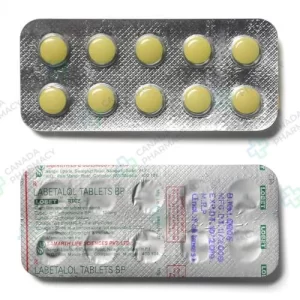
Trandate
Price range: $ 42,00 through $ 348,00
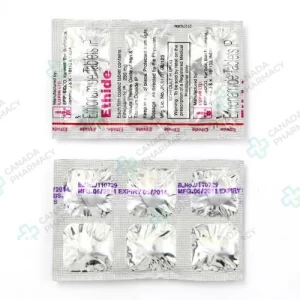
Trecator SC
Price range: $ 52,00 through $ 378,00
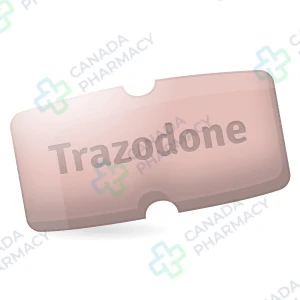
Trazodone
Price range: $ 53,00 through $ 254,00
Trazodone is an effective oral medication primarily used to treat major depressive disorder and restore emotional balance. It functions as a serotonin modulator, helping to rebalance natural chemicals in the brain to elevate mood and improve outlook. Beyond its antidepressant properties, this treatment is highly valued for its ability to improve sleep quality and resolve persistent insomnia. Regular use helps alleviate common symptoms such as feelings of hopelessness, low energy, and excessive anxiety. By promoting mental clarity and restful sleep, this medication serves as a reliable option for enhancing daily functioning and overall well-being.
Active substance: Trazodone
Delivery: 5–21 days (depending on the shipping method)
Extra 10% discount with coupon: IT4K6SVM
Each dosage option has its own packaging choices.
Description
Trazodone belongs to a class of therapeutic agents known as triazolopyridine antidepressants. It is an oral prescription drug regulated under federal guidelines by the United States Food and Drug Administration (FDA) for treating major depressive disorder in adults.
While its primary approved indication focuses on depressive conditions, healthcare providers may evaluate its utility across other clinical settings based on individual patient requirements. Patients must use trazodone strictly under the guidance of a qualified clinician, adhering closely to professional medical instructions.
Key Information Overview
| Attribute | Details |
|---|---|
| Active ingredient | Trazodone hydrochloride |
| Therapeutic class | Triazolopyridine antidepressant |
| Dosage form | Oral tablet |
| Route of administration | Oral |
| Prescription status | Prescription only (Rx) |
| Primary purpose | Major Depressive Disorder |
Main uses
Trazodone is officially approved by the U.S. FDA for the treatment of Major Depressive Disorder (MDD) in adult patients. In clinical evaluations, it has demonstrated efficacy in managing persistent emotional and cognitive symptoms of depression, helping to restore neurochemical balance within the central nervous system.
In clinical practice, healthcare providers sometimes prescribe trazodone for unapproved uses, commonly referred to as off-label prescribing. The most frequent off-label application of trazodone is the management of transient or chronic insomnia. While clinicians may utilize its sedating properties off-label to support sleep architecture, patients should recognize that insomnia is not an FDA-approved indication for trazodone. Any off-label use requires explicit medical authorization and ongoing clinical oversight by a licensed prescriber.
How the drug works
Trazodone acts primarily as a serotonin antagonist and reuptake inhibitor (SARI). Its mechanism involves inhibiting the reuptake of serotonin (5-hydroxytryptamine, or 5-HT) at the presynaptic neuronal membrane. This action increases the availability of serotonin within the synaptic cleft in central neural pathways.
Additionally, trazodone acts as a potent antagonist at postsynaptic serotonin 5-HT2A receptors and exhibits moderate alpha-1 adrenergic receptor blockade. The inhibition of 5-HT2A receptors contributes to its antidepressant and anti-anxiety actions while mitigating certain serotonin-mediated side effects, such as acute motor restlessness. Its affinity for central histamine H1 receptors and alpha-1 adrenergic receptors accounts for its pronounced sedating profile, which reduces physiological arousal and induces somnolence.
What happens in the body
Following oral administration, trazodone is well absorbed from the gastrointestinal tract. Peak plasma concentrations typically occur approximately 1 hour after ingestion when taken on an empty stomach, or around 2 hours when ingested with food. Administration with meals delays peak absorption but increases overall systemic bioavailability.
Trazodone undergoes extensive hepatic metabolism, primarily mediated by the cytochrome P450 enzyme system, specifically the CYP3A4 pathway. The primary active metabolite formed during biotransformation is meta-chlorophenylpiperazine (mCPP), which exhibits serotonergic activity. Trazodone demonstrates a biphasic elimination profile, with an initial elimination half-life ranging from 3 to 6 hours, followed by a slower secondary elimination phase. Approximately 70% to 75% of the dose is excreted through urine as inactive metabolites within 72 hours, while the remainder is eliminated via the biliary system into feces.
Dosing schedule
Trazodone is supplied as oral tablets, available in strengths including 50 mg, 100 mg, 150 mg, and 300 mg. The exact dosage regimen must be individually determined by a licensed healthcare provider based on the specific indication, baseline health, and patient response.
For major depressive disorder, treatment generally begins at a reduced daily dose, often divided into multiple daily doses or administered as a single dose at bedtime to limit daytime somnolence. Prescribers may gradually adjust the daily dosage over several days or weeks until optimal therapeutic effect is achieved. Taking trazodone shortly after a meal or light snack helps maximize absorption and reduces potential lightheadedness. Patients must not modify their dosage or stop therapy without direct clinical oversight.
What you may notice early on
During the initial days of trazodone therapy, patients frequently experience prominent drowsiness, lethargy, or mild lightheadedness, particularly during the first few hours following a dose. Because of these pronounced sedative effects, nighttime administration is commonly recommended by healthcare providers.
Therapeutic improvements in mood, energy, and overall outlook generally require several weeks of continuous administration. While sedating effects may occur immediately, core antidepressant benefits typically develop gradually over 2 to 4 weeks. Patients are advised to keep regular follow-up appointments with their prescriber to assess progress and manage early physiological adjustments.
Signs of improvement
Evaluating the efficacy of trazodone involves monitoring psychological and physical symptoms over an extended period. When prescribed for major depressive disorder, effective response is evidenced by a steady reduction in depressive mood, improved cognitive clarity, normalized appetite patterns, and renewed interest in daily routines.
Patients may note that routine daily activities become easier to initiate and sustain. Clinical response varies individually, and full therapeutic benefits may require up to 4 to 6 weeks of consistent use. If no significant improvement occurs after several weeks, a qualified prescriber will re-evaluate the treatment plan, adjust the dosage, or evaluate alternative therapeutic options.
Adverse reactions
Like all central nervous system active prescription drugs, trazodone can cause side effects. Common adverse reactions observed during clinical use include:
- Somnolence and daytime drowsiness
- Dizziness and lightheadedness
- Dry mouth (xerostomia)
- Headache
- Blurred vision
- Nausea and mild gastrointestinal upset
Less common but more significant adverse events require clinical attention. Trazodone administration has been associated with orthostatic hypotension (a drop in blood pressure upon standing), cardiac arrhythmias, and cognitive impairment. Patients who experience persistent or troubling physical symptoms should contact their prescribing physician for evaluation.
Important precautions
Trazodone carries a Black Box Warning required by the FDA regarding an increased risk of suicidal thoughts and behaviors in children, adolescents, and young adults (up to age 25) during initial antidepressant treatment. Caregivers and family members should closely monitor patients for worsening depression, sudden behavioral changes, or emergence of suicidal ideation.
Special patient populations require tailored caution. Elderly patients face a higher risk of orthostatic hypotension, excessive sedation, and accidental falls, often necessitating lower initial dosages. Use during pregnancy or breastfeeding should occur only after a comprehensive risk-benefit assessment by a physician, as trazodone crosses the placenta and is excreted in human breast milk in low concentrations. Patients with pre-existing cardiovascular conditions, renal impairment, or hepatic dysfunction require specialized monitoring.
Red flags
Certain severe reactions require immediate emergency medical care. Patients should seek urgent medical assistance if they experience any of the following signs:
- Severe chest pain or irregular, pounding heartbeat
- Difficulty breathing or severe shortness of breath
- Sudden swelling of the face, lips, tongue, or throat
- Signs of Serotonin Syndrome: high fever, severe agitation, confusion, tremor, hyperreflexia, and rapid heart rate
- Priapism: a prolonged, painful erection lasting longer than 4 hours, unrelated to sexual stimulation
Priapism represents a critical medical emergency associated with trazodone’s alpha-adrenergic blocking action. Immediate urological intervention is mandatory to prevent permanent structural damage to erectile tissue.
Food and alcohol interactions
Consuming food alongside trazodone directly affects its pharmacokinetics. Ingesting the tablet shortly after a meal or snack enhances systemic drug absorption and reduces the incidence of transient lightheadedness or stomach discomfort.
Alcohol must be strictly avoided during trazodone therapy. Ethanol potentiates the central nervous system depressant effects of trazodone, resulting in profound sedation, impaired motor coordination, slowed reaction times, and an increased risk of severe hypotension or respiratory depression.
Compatibility with other medicines
Trazodone exhibits significant potential for drug interactions. Concurrent administration with Monoamine Oxidase Inhibitors (MAOIs) is strictly contraindicated due to the high risk of severe, potentially fatal Serotonin Syndrome. A washout period of at least 14 days is required when transitioning between an MAOI and trazodone.
Combining trazodone with other serotonergic agents–such as SSRIs, SNRIs, triptans, or St. John’s Wort–elevates the risk of serotonin toxicity. Medications that inhibit the CYP3A4 hepatic pathway (e.g., ketoconazole, ritonavir) can increase trazodone blood concentrations, raising the risk of adverse reactions. Conversely, strong CYP3A4 inducers (e.g., carbamazepine, phenytoin) may lower trazodone levels and reduce clinical efficacy. Combining trazodone with antihypertensives or other CNS depressants (such as benzodiazepines or opioids) exacerbates hypotensive and sedative risks.
Common questions
Why is trazodone sometimes prescribed off-label for sleep?
Trazodone possesses significant antagonist activity at central histamine H1 and alpha-1 adrenergic receptors, which produces strong sedating effects. Although the FDA has officially approved trazodone only for major depressive disorder, clinicians in practice sometimes utilize its sedative properties off-label to manage insomnia. Any off-label use must be evaluated and supervised by a licensed healthcare provider to ensure safety and clinical appropriateness.
Can trazodone cause prolonged erections (priapism)?
Yes, trazodone is associated with a rare but serious adverse event known as priapism, defined as a persistent, painful erection lasting more than 4 hours without sexual arousal. This condition stems from alpha-adrenergic blockade affecting penile blood flow regulation. Priapism is a medical emergency that requires prompt medical evaluation in a hospital setting to avoid permanent tissue damage.
Is it safe to stop taking trazodone suddenly?
Abruptly discontinuing trazodone is not recommended because it can trigger withdrawal symptoms, often referred to as antidepressant discontinuation syndrome. Symptoms of sudden withdrawal may include nausea, headache, dizziness, anxiety, and sleep disturbances. If treatment must end, a healthcare provider will structure a gradual tapering schedule to minimize discontinuation reactions.
How does trazodone interact with alcohol?
Alcohol substantially enhances the central nervous system depressant actions of trazodone. Combining alcohol with trazodone leads to marked drowsiness, impaired cognitive and motor function, severe dizziness, and a heightened risk of low blood pressure. Consequently, patients taking trazodone are advised to completely refrain from consuming alcoholic beverages.
Source and Disclaimer
In accordance with FDA requirements.
This material is educational. Only a licensed prescriber can determine whether a medication is appropriate for you.
Additional information
| Dosage |
100mg |
|---|---|
| Package |
60 pills ,90 pills ,120 pills ,180 pills ,270 pills ,360 pills |
| Ενεργός Ουσία |
Related products
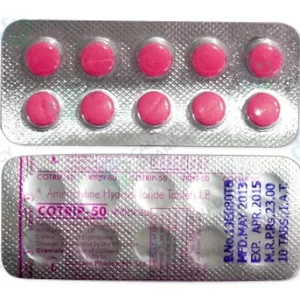
Amitriptyline
Price range: $ 41,00 through $ 114,00
Active substance: amitriptyline
More Details
This product has multiple variants. The options may be chosen on the product page
Asendin
Price range: $ 41,00 through $ 369,00
Active substance: Amoxapine
More Details
This product has multiple variants. The options may be chosen on the product page
Celexa
Price range: $ 7,00 through $ 193,00
Active substance: Citalopram
More Details
This product has multiple variants. The options may be chosen on the product page
Clozaril
Price range: $ 45,00 through $ 129,00
Active substance: Clozapine
More Details
This product has multiple variants. The options may be chosen on the product page
Cymbalta
Price range: $ 46,00 through $ 561,00
Active substance: Duloxetine
More Details
This product has multiple variants. The options may be chosen on the product page
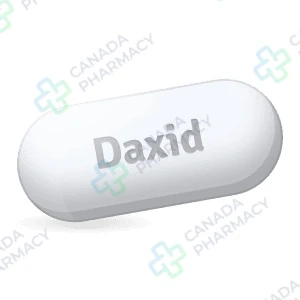
Daxid
Price range: $ 42,00 through $ 229,00
Active substance: Sertraline
More Details
This product has multiple variants. The options may be chosen on the product page
Geodon
Price range: $ 46,00 through $ 418,00
Active substance: Ziprasidone
More Details
This product has multiple variants. The options may be chosen on the product page
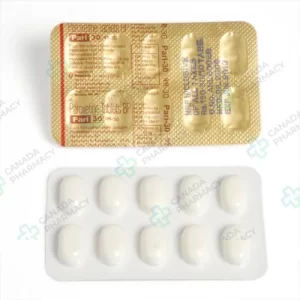
Paxil
Price range: $ 34,00 through $ 445,00
Active substance: paroxetine
More Details
This product has multiple variants. The options may be chosen on the product page