

-44%
Torsemide
Price range: $ 45,00 through $ 242,00
Trazodone
Price range: $ 53,00 through $ 254,00
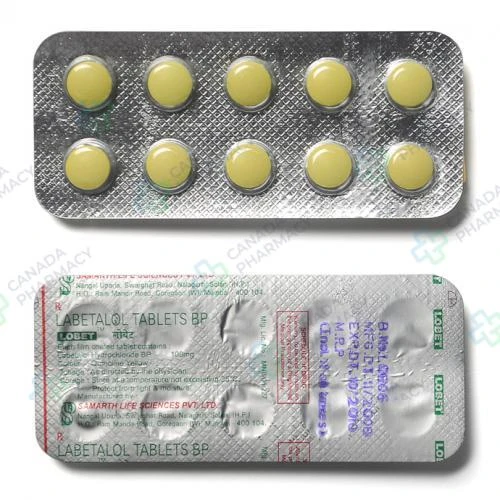
Trandate
Price range: $ 42,00 through $ 348,00
Trandate is an effective medication belonging to a class of drugs known as alpha and beta-blockers, designed to manage high blood pressure. It is primarily used to treat hypertension, helping to keep blood pressure levels within a healthy range. By relaxing blood vessels and slowing the heart rate, this medication improves blood flow and reduces the workload on the heart. Consistent use of Trandate helps prevent serious cardiovascular complications, such as strokes, heart attacks, and kidney problems. The tablets are available in various strengths to provide flexible management for individuals seeking to maintain optimal cardiovascular health.
Active substance: Labetalol
Delivery: 5–21 days (depending on the shipping method)
Extra 10% discount with coupon: IT4K6SVM
Each dosage option has its own packaging choices.
Description
Trandate (labetalol hydrochloride) belongs to a class of cardiovascular medications known as dual alpha- and beta-adrenergic receptor blockers. It is an FDA-approved prescription drug designated primarily for the management of hypertension (high blood pressure) in adult patients.
As a prescription-only therapy, Trandate must be administered under the direct guidance of a licensed healthcare provider. Lowering elevated blood pressure helps reduce the risk of severe cardiovascular complications, including stroke, myocardial infarction, and renal impairment.
| Parameter | Details |
|---|---|
| Active ingredient | Labetalol hydrochloride |
| Therapeutic class | Alpha- and beta-adrenergic blocking agent |
| Dosage form | Oral tablet |
| Route of administration | Oral |
| Prescription status | Prescription only (Rx) |
| Primary purpose | Management of essential hypertension |
Clinical and Pharmacological Overview
Main uses
Trandate is indicated for the clinical control of blood pressure in adults diagnosed with essential hypertension. It may be used as monotherapy or combined with other antihypertensive agents, such as thiazide diuretics or loop diuretics, when single-agent therapy is insufficient. Any use of oral labetalol for pregnancy-induced hypertension or gestational hypertensive disorders constitutes an off-label use in the United States and must be managed under expert clinical supervision. Trandate oral tablets are not indicated for emergency treatment of hypertensive crisis where rapid IV blood pressure reduction is required.
How the drug works
Trandate acts through competitive antagonism at both alpha-1 and beta-adrenergic receptors. Blockage of vascular alpha-1 receptors induces peripheral vasodilation, decreasing systemic vascular resistance and lowering arterial blood pressure. Concurrently, non-selective beta-receptor blockade prevents reflex tachycardia and reduces heart rate during rest and exercise. Following oral administration, the relative ratio of alpha- to beta-blocking activity is estimated to be approximately 1:3. This dual mechanism maintains cardiac output while achieving sustained hemodynamic stabilization.
How it’s absorbed and eliminated
Labetalol hydrochloride is completely absorbed from the gastrointestinal tract, achieving peak plasma concentration within 1 to 4 hours post-administration. However, due to extensive first-pass hepatic metabolism, absolute systemic bioavailability is approximately 25%. Administration with food increases systemic bioavailability. The plasma elimination half-life ranges from 6 to 8 hours. Labetalol undergoes extensive hepatic conjugation to inactive metabolites, which are subsequently eliminated via renal (approximately 55% to 60%) and biliary pathways.
Dosing schedule
Dosing must be individually titrated based on patient response and standing blood pressure readings. The typical initial adult dosage for hypertension is 100 mg administered twice daily, taken with meals. Prescribers may titrate the dosage in increments of 100 mg twice daily every 2 to 3 days depending on clinical effectiveness. Maintenance therapy generally ranges between 200 mg and 400 mg twice daily. Patients with severe hypertension may require higher daily amounts up to 1200 mg to 2400 mg daily divided into 2 or 3 doses. Tablets should be swallowed whole with water.
Safety, Precautions, and FAQs
What not to combine
Trandate interacts with several classes of medications, requiring careful clinical evaluation prior to concurrent use. Combining labetalol with calcium channel blockers (such as verapamil or diltiazem) can exacerbate bradycardia and cardiac conduction delay. Concomitant administration with cimetidine can increase the oral bioavailability of labetalol. Concurrent use of halothane anesthesia enhances the myocardial depressant effects of labetalol. Nitroglycerin used alongside Trandate may augment hypotensive effects. Nonsteroidal anti-inflammatory drugs (NSAIDs) may diminish the blood pressure-lowering effectiveness of alpha-beta blockers.
Adverse reactions
The safety profile of Trandate is characterized by dose-dependent hemodynamic and nervous system effects. The most frequently observed adverse reactions include orthostatic hypotension, dizziness, fatigue, nausea, and nasal congestion. A characteristic sensation of scalp tingling (hyperesthesia) may occur shortly after initiating treatment. Less common but significant adverse events include symptomatic bradycardia, bronchospasm, peripheral edema, urinary hesitation, elevated liver enzymes, and rare instances of hepatic necrosis or jaundice.
Important precautions
Trandate is contraindicated in patients with bronchial asthma, overt heart failure, severe bradycardia, second- or third-degree heart block, or cardiogenic shock. Caution is advised when prescribing labetalol to diabetic patients, as beta-blockers may mask symptoms of acute hypoglycemia, such as tachycardia, though dizziness and sweating may remain unaffected. Elderly individuals may demonstrate increased sensitivity to orthostatic effects and require lower titration rates. Hepatic function should be monitored periodically, as therapy must be discontinued permanently if liver injury occurs.
Red flags
Patients taking Trandate should seek emergency medical evaluation immediately if experiencing signs of severe hypersensitivity, such as angioedema (swelling of the face, lips, tongue, or throat) or severe rash. Immediate medical attention is also necessary if signs of acute liver dysfunction appear (jaundice, dark urine, persistent nausea, or right upper quadrant abdominal pain). Severe symptomatic bradycardia (fainting, extreme dizziness), sudden shortness of breath, or wheezing warrant urgent emergency care.
What to avoid while taking it
Patients should remain consistent regarding food intake when taking Trandate, as taking the medication with meals enhances its bioavailability. Alcohol consumption must be strictly minimized or avoided, as ethanol can intensify the hypotensive effects of labetalol and increase the risk of orthostatic dizziness, lightheadedness, or syncope. Caution should be exercised when driving or operating heavy machinery until individual tolerance to dizziness is determined.
If you skip a dose
If a dose of Trandate is missed, it should be taken as soon as remembered unless it is almost time for the next scheduled dose. Patients should never double the dose to compensate for a skipped tablet. Abrupt discontinuation of Trandate must be avoided, as sudden withdrawal of adrenergic blockers can precipitate rebound hypertension, severe angina pectoris, or acute cardiac events. Discontinuation must occur gradually over 1 to 2 weeks under medical supervision.
Storage and expiration
Trandate tablets should be stored at controlled room temperature between 20°C and 25°C (68°F to 77°F), with excursions permitted between 15°C and 30°C (59°F to 86°F). The container should be kept tightly closed and protected from moisture, excessive heat, and direct light. Do not use medication past the expiration date printed on the packaging. Unused medication should be safely disposed of via drug take-back programs or in accordance with FDA safe disposal practices.
Frequently Asked Questions
Can Trandate cause dizziness when standing up?
Yes, orthostatic hypotension–a sudden drop in blood pressure upon standing–is a known side effect of labetalol due to its alpha-1 blocking property. Patients are advised to rise slowly from sitting or lying positions to minimize lightheadedness and reduce the risk of falling.
Is it safe to stop taking Trandate suddenly?
No, abruptly stopping Trandate can trigger rebound hypertension, severe chest pain, or worsen underlying heart conditions. Any dosage reduction or drug discontinuation must be performed under the guidance of a prescriber using a gradual tapering schedule.
How does Trandate affect heart rate compared to pure beta-blockers?
Because Trandate blocks both alpha-1 and beta-receptors, it lowers vascular resistance while preventing reflex tachycardia. However, it generally causes less pronounced resting bradycardia than traditional pure non-selective beta-blockers, making it effective for lowering arterial pressure without excessively slowing heart rate in standard dosages.
What should be monitored during long-term Trandate therapy?
Long-term use requires routine clinical monitoring of standing and supine blood pressure, resting heart rate, kidney function, and baseline liver enzymes. Any unexplained fatigue, right upper abdominal pain, or jaundice should prompt immediate liver enzyme assessment by a healthcare provider.
Can Trandate be taken during pregnancy?
Labetalol is sometimes selected by prescribers for managing gestational hypertension; however, any use during pregnancy is considered an off-label decision that requires strict maternal-fetal medical monitoring due to potential risks of fetal bradycardia, hypoglycemia, or intrauterine growth restriction.
This text is for informational purposes only and does not constitute individual medical advice. In accordance with FDA requirements, decisions regarding prescription medications should always be made in consultation with a qualified healthcare professional.
Additional information
| Dosage |
50 mg ,100mg ,200 mg |
|---|---|
| Package |
30 pills ,60 pills ,90 pills ,120 pills ,180 pills ,270 pills |
| Ενεργός Ουσία |
Related products
Aceon
Price range: $ 51,00 through $ 491,00
Active substance: erbumine, perindopril
More Details
This product has multiple variants. The options may be chosen on the product page
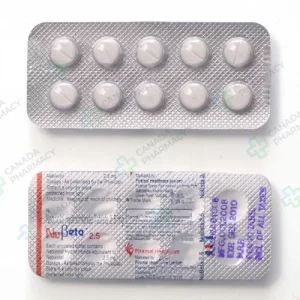
Bystolic
Price range: $ 38,00 through $ 275,00
Active substance: Nebivolol
More Details
This product has multiple variants. The options may be chosen on the product page
Capoten
Price range: $ 42,00 through $ 323,00
Active substance: Captopril
More Details
This product has multiple variants. The options may be chosen on the product page
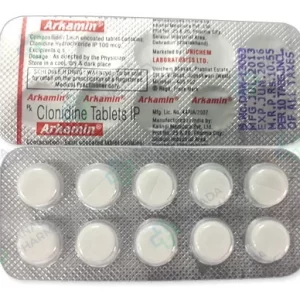
Combipres
Price range: $ 50,00 through $ 202,00
Active substance: chlorthalidone, clonidine hydrochloride
More Details
This product has multiple variants. The options may be chosen on the product page
Doxazosin
Price range: $ 42,00 through $ 332,00
Active substance: Doxazosin
More Details
This product has multiple variants. The options may be chosen on the product page

Ecosprin
Price range: $ 19,00 through $ 57,00
Active substance: aspirin
More Details
This product has multiple variants. The options may be chosen on the product page
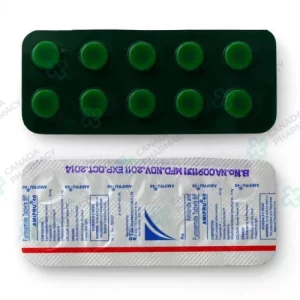
Frumil
Price range: $ 43,00 through $ 202,00
Active substance: Amiloride, furosemide
More Details
This product has multiple variants. The options may be chosen on the product page
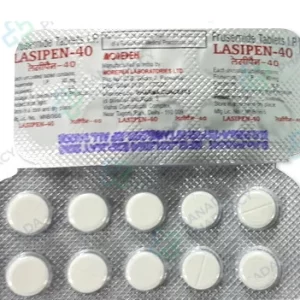
Furosemide
Price range: $ 46,00 through $ 193,00
Active substance: furosemide
More Details
This product has multiple variants. The options may be chosen on the product page