

-33%
Toradol
Price range: $ 53,00 through $ 153,00
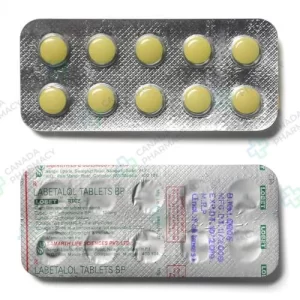
Trandate
Price range: $ 42,00 through $ 348,00
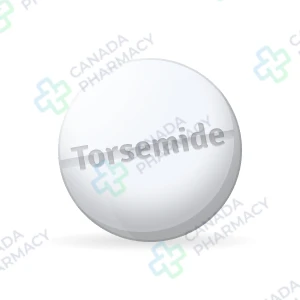
Torsemide
Price range: $ 45,00 through $ 242,00
Torsemide is a potent loop diuretic primarily used to treat fluid retention and swelling caused by various chronic medical conditions. It works by helping the kidneys eliminate excess salt and water from the body through increased urine production. This medication is highly effective in managing edema associated with congestive heart failure, renal impairment, and liver disease. In addition to treating fluid buildup, Torsemide is frequently utilized as a treatment to help lower high blood pressure. By reducing fluid overload and managing hypertension, it supports overall cardiovascular health and improves daily comfort for patients.
Active substance: torsemide
Delivery: 5–21 days (depending on the shipping method)
Extra 10% discount with coupon: IT4K6SVM
Each dosage option has its own packaging choices.
Description
Torsemide must only be taken under strict medical supervision and is available solely by prescription in the United States. It is an FDA-approved loop diuretic indicated for treating edema associated with heart failure, renal disease, or hepatic cirrhosis, as well as for managing systemic hypertension. Patients initiating therapy with torsemide require careful electrolyte and clinical monitoring to prevent profound dehydration and metabolic disturbances.
Because torsemide significantly increases fluid and salt excretion by the kidneys, inappropriate dosing or unmonitored use poses serious health risks, including severe low blood pressure and cardiac dysrhythmias. Healthcare providers establish specific dosage regimens tailored to individual renal function, underlying medical conditions, and therapeutic goals in compliance with federal prescription guidelines.
| Property | Details |
|---|---|
| Drug Name | Torsemide |
| Active Ingredient | Torsemide (INN) |
| Therapeutic Class | Loop Diuretic (Pyridine-sulfonylurea derivative) |
| Dosage Form | Oral Tablet |
| Prescription Status | Prescription Only (Rx) |
| Primary Indication | Edema management (heart failure, renal/hepatic disease) and hypertension |
Clinical Guidelines and Prescribing Details
Important Precautions and Safety Warnings
Warning: Torsemide is a potent diuretic capable of causing profound water and electrolyte depletion, including dangerous drops in potassium, sodium, magnesium, and chloride levels. The medication is strictly contraindicated in patients with anuria (complete absence of urine production) or a known hypersensitivity to torsemide or sulfonylurea compounds. Healthcare prescribers must obtain baseline blood tests to evaluate renal function, blood urea nitrogen (BUN), serum creatinine, and serum electrolyte levels prior to therapy and at regular intervals during treatment.
Elderly patients are at heightened risk for symptomatic hypotension, severe dehydration, and thrombotic complications resulting from hemoconcentration. If progressive renal impairment, rising blood urea nitrogen, or hepatic coma occurs, torsemide therapy must be withheld immediately under direct medical guidance. Patients should never adjust their dosage independently.
How the Drug Works
Torsemide exerts its diuretic effect by acting directly on the luminal membrane of the thick ascending limb of the loop of Henle within the renal nephrons. Specifically, torsemide inhibits the sodium/potassium/2-chloride (Na+/K+/2Cl-) co-transporter system. By blocking the reabsorption of these vital ions, torsemide prevents the concentration of urine and significantly increases the excretion of sodium, chloride, and water.
This forced natriuresis and diuresis decreases intravascular volume and reduces interstitial fluid accumulation. The resulting reduction in plasma volume lowers cardiac preload, relieves pulmonary and peripheral congestion, and decreases systemic vascular resistance, ultimately aiding in blood pressure control and edema resolution.
What It Is Used For
Torsemide is indicated for the treatment of edema associated with congestive heart failure, chronic renal failure, and hepatic cirrhosis. In heart failure, it helps reduce swelling in the legs, feet, and lungs, improving exercise tolerance and ease of breathing. In hepatic cirrhosis, it is used to manage ascites and fluid retention, often alongside potassium-sparing agents. Torsemide is also FDA-approved for the management of essential hypertension, functioning alone or in combination with other antihypertensive medications. Torsemide is not indicated for cosmetic weight loss, and using diuretics for fluid loss without medical indication presents severe vascular and renal hazards.
Dosing Schedule and Administration
Torsemide tablets are administered orally once daily, preferably in the morning, to prevent nocturnal disruption of sleep from increased urination. For fluid retention secondary to heart failure, initial oral dosages typically range from 10 mg to 20 mg once daily, titrated upward by the prescriber until the desired diuretic response is attained. For chronic renal failure, the recommended initial daily dose is 20 mg. In hepatic cirrhosis, treatment usually starts at 5 mg or 10 mg daily in combination with an aldosterone antagonist. For hypertension management, the standard starting dose is 5 mg once daily, which may be escalated to 10 mg daily after 4 to 6 weeks if blood pressure targets are not met.
How It Is Absorbed and Eliminated
Torsemide exhibits high oral bioavailability, approximately 80%, which is not significantly affected by food co-ingestion. Peak plasma concentrations are reached within 1 hour following oral administration. The elimination half-life of torsemide in healthy individuals is approximately 3.5 hours. The drug undergoes extensive metabolism in the liver via the cytochrome P450 system, primarily involving the CYP2C9 isoenzyme, yielding an active metabolite (which accounts for a portion of the diuretic effect) and inactive metabolites. Approximately 20% of a torsemide dose is cleared unchanged by the kidneys. In patients with hepatic impairment, clearance is reduced, but the overall elimination half-life remains relatively unchanged due to an increased volume of distribution.
Compatibility and Drug Interactions
Caution: Torsemide engages in several clinically significant drug interactions that require careful therapeutic management:
- Nonsteroidal Anti-inflammatory Drugs (NSAIDs): Agents like ibuprofen, naproxen, or indomethacin can blunt the diuretic and antihypertensive response to torsemide by inhibiting renal prostaglandin synthesis.
- Digitalis Glycosides (Digoxin): Diuretic-induced hypokalemia or hypomagnesemia increases the sensitivity of the myocardium to digoxin, sharply elevating the risk of digitalis toxicity and lethal cardiac arrhythmias.
- Lithium: Torsemide reduces renal clearance of lithium, elevating serum lithium concentration and increasing the potential for lithium toxicity.
- Ototoxic/Nephrotoxic Agents: Concomitant administration with aminoglycoside antibiotics or platinum compounds increases the risk of auditory and renal toxicity.
- Bile Acid Sequestrants: Cholestyramine reduces the gastrointestinal absorption of torsemide and should be administered several hours apart.
Possible Adverse Reactions
The side-effect profile of torsemide stems primarily from its pharmacological action on electrolyte and fluid homeostasis. Common adverse events include increased urinary frequency, headache, excessive thirst, dry mouth, dizziness, and mild gastrointestinal distress. More severe adverse effects include major electrolyte imbalances such as hypokalemia, hyponatremia, hypomagnesemia, and metabolic alkalosis. Severe hypovolemia can cause orthostatic hypotension, syncope, renal impairment, and hyperuricemia, which may trigger acute gout attacks in susceptible individuals. Rare but serious adverse reactions involve ototoxicity (presenting as tinnitus or transient hearing loss) and blood dyscrasias.
Food and Alcohol Considerations
Torsemide may be taken with or without food. However, patients should strictly limit or avoid alcohol consumption while taking this medication. Alcohol exerts vasodilatory effects that can potentiate torsemide-induced blood pressure drops, increasing the risk of severe orthostatic dizziness, lightheadedness, or fainting upon standing. Additionally, patients should adhere to prescribed dietary sodium limits, as high dietary salt intake counteracts the diuretic effectiveness of torsemide.
Red Flags: When to Get Emergency Care
Warning: Patients taking torsemide must recognize critical warning signs that demand urgent emergency medical intervention. Unchecked electrolyte imbalances or rapid volume depletion can lead to life-threatening cardiovascular or neurological events.
| Red Flag Symptom | Potential Underlying Complication |
|---|---|
| Chest pain, racing heart, or fluttering feeling | Severe hypokalemia or dangerous cardiac arrhythmia |
| Swelling of the face, lips, tongue, or severe rash | Acute hypersensitivity reaction (anaphylaxis) |
| Severe muscle cramps, extreme fatigue, or confusion | Profound electrolyte depletion (hypokalemia/hyponatremia) |
| Sudden inability to urinate or dark, concentrated urine | Acute renal insufficiency or extreme dehydration |
| Sudden hearing loss, severe ringing in ears, or vertigo | Ototoxicity |
| Severe dizziness, confusion, or loss of consciousness | Profound orthostatic hypotension or circulatory collapse |
Evaluating Treatment Effectiveness
For patients prescribed torsemide for fluid overload, effectiveness is monitored through regular weight checks and clinical observation of reduced peripheral edema (decreased swelling in feet, legs, or abdomen) and improved respiratory function. Patients are often instructed to weigh themselves daily under standardized conditions (in the morning after urinating) and report sudden weight gain or rapid loss to their physician. For patients treated for hypertension, effectiveness is monitored via routine blood pressure measurements aimed at reaching target systolic and diastolic numbers established by their healthcare provider.
Handling a Missed Dose
If a dose of torsemide is missed, it should be taken as soon as remembered on the same day, provided it is not late in the afternoon or evening. Taking torsemide late in the day will cause frequent nighttime urination, which interrupts sleep. If it is almost evening or close to the time for the next scheduled dose, skip the missed dose entirely and resume the standard morning schedule. Never take two doses simultaneously or take extra medicine to make up for a missed tablet.
Frequently Asked Questions and Important Disclaimers
Common Questions
What should I do if I develop muscle cramps while taking torsemide?
Muscle cramps can indicate a drop in serum potassium or magnesium levels caused by increased urinary excretion. You should inform your healthcare provider if you experience muscle weakness, cramps, or spasms. Your physician may order blood tests to check your electrolyte levels and may prescribe potassium supplements or recommend dietary adjustments.
Can I drive or operate machinery while taking this medication?
Torsemide can cause dizziness, lightheadedness, or blurred vision, especially during the first few days of treatment or when dosage is increased. Do not drive, operate machinery, or perform tasks requiring mental alertness until you know how torsemide affects your alertness and stability.
Why is it strongly recommended to take torsemide in the morning?
Torsemide increases urinary frequency within 1 to 2 hours after administration, with effects lasting up to 6 to 8 hours. Taking the dose in the morning allows the peak diuretic action to occur during waking hours, preventing night-time awakenings to urinate (nocturia) and ensuring uninterrupted rest.
Will over-the-counter pain relievers interfere with torsemide?
Yes, over-the-counter nonsteroidal anti-inflammatory drugs (NSAIDs) such as ibuprofen or naproxen can interact with torsemide. NSAIDs can cause fluid retention and decrease renal blood flow, directly opposing the therapeutic effects of your diuretic. Consult your doctor or pharmacist before using any OTC pain relief medications.
Is regular blood testing required while I am on torsemide therapy?
Yes, routine laboratory testing is an essential component of safe torsemide therapy. Your physician will periodically order blood tests to check kidney function (BUN and serum creatinine) and monitor serum electrolyte concentrations (potassium, sodium, chloride, and magnesium) to ensure the medication remains safe and effective for you.
In accordance with FDA requirements.
This text is for informational purposes only and does not constitute individual medical advice.
Additional information
| Dosage |
10mg ,20mg |
|---|---|
| Package |
60 pills ,90 pills ,120 pills ,180 pills ,270 pills ,360 pills |
| Ενεργός Ουσία |
Related products
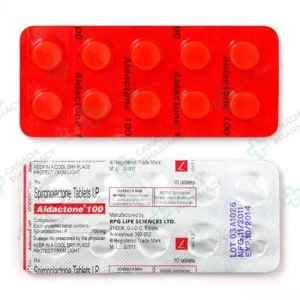
Aldactone
Price range: $ 33,00 through $ 345,00
Active substance: Spironolactone
More Details
This product has multiple variants. The options may be chosen on the product page
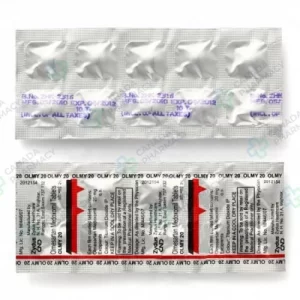
Benicar
Price range: $ 42,00 through $ 478,00
Active substance: Olmesartan
More Details
This product has multiple variants. The options may be chosen on the product page
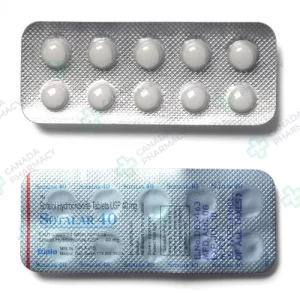
Betapace
Price range: $ 9,00 through $ 260,00
Active substance: Sotalol
More Details
This product has multiple variants. The options may be chosen on the product page
Capoten
Price range: $ 42,00 through $ 323,00
Active substance: Captopril
More Details
This product has multiple variants. The options may be chosen on the product page
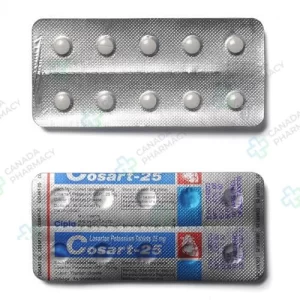
Cozaar
Price range: $ 41,00 through $ 281,00
Active substance: Losartan
More Details
This product has multiple variants. The options may be chosen on the product page

Diltiazem
Price range: $ 49,00 through $ 590,00
Active substance: Diltiazem
More Details
This product has multiple variants. The options may be chosen on the product page
Diltiazem HCL
Price range: $ 52,00 through $ 393,00
Active substance: Diltiazem
More Details
This product has multiple variants. The options may be chosen on the product page
Frumil
Price range: $ 43,00 through $ 202,00
Active substance: Amiloride, furosemide
More Details
This product has multiple variants. The options may be chosen on the product page