

-93%
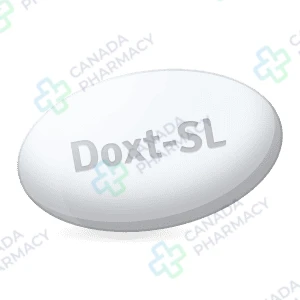
Doxt-SL
Price range: $ 44,00 through $ 162,00
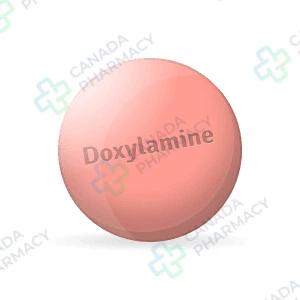
Doxylamine
Price range: $ 10,00 through $ 33,00
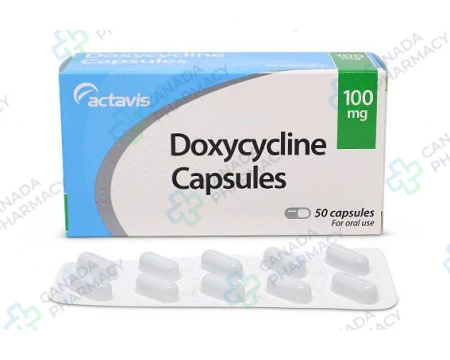
Doxycycline
Price range: $ 40,00 through $ 200,00
Doxycycline is a versatile tetracycline antibiotic used to treat a wide variety of bacterial infections throughout the body. It is highly effective for managing respiratory tract infections, including pneumonia and bronchitis, as well as specific skin conditions like severe acne and rosacea. This medication also addresses urinary tract infections, certain sexually transmitted diseases, and infections caused by ticks, lice, or mites. Beyond treating active infections, it is frequently utilized as a preventative measure against malaria for individuals traveling to high-risk areas. By inhibiting the growth and spread of harmful bacteria, Doxycycline helps the body’s immune system clear the infection more efficiently.
Active substance: doxycycline hyclate
Delivery: 5–21 days (depending on the shipping method)
Extra 10% discount with coupon: IT4K6SVM
Each dosage option has its own packaging choices.
Description
Doxycycline – Information for Patients and Caregivers
Doxycycline belongs to a class of synthetic broad-spectrum antimicrobial agents known as tetracyclines. It is prescribed by licensed healthcare providers to treat a wide range of bacterial infections, including respiratory tract infections, specific dermatological conditions, vector-borne diseases, and sexually transmitted pathogens. Because doxycycline is a prescription-only medication in the United States, its therapeutic use requires proper medical diagnosis, clinical oversight, and adherence to professional guidance.
| Parameter | Details |
|---|---|
| Drug Name | Doxycycline |
| Active Ingredient | Doxycycline (as hyclate, monohydrate, or calcium) |
| Therapeutic Class | Tetracycline derivative antibiotic |
| Dosage Form | Oral capsules, oral tablets, oral suspension, intravenous solution |
| Route of Administration | Oral, Intravenous |
| Primary Purpose | Treatment of susceptible bacterial, rickettsial, and chlamydial infections |
| Prescription Status | Prescription (Rx) only |
Main Uses
Doxycycline is indicated for the treatment of numerous infectious diseases caused by susceptible Gram-positive and Gram-negative bacteria, as well as atypical microorganisms. Key FDA-approved indications include rickettsial infections such as Rocky Mountain spotted fever, typhus fever, and Q fever; respiratory tract infections caused by Mycoplasma pneumoniae or Streptococcus pneumoniae; sexually transmitted infections caused by Chlamydia trachomatis; lymphogranuloma venereum; and non-gonococcal urethritis. Furthermore, it is prescribed as adjunctive therapy in severe acne vulgaris and as a chemoprophylactic agent for Plasmodium falciparum malaria in travelers visiting endemic regions. Any therapeutic application outside of FDA-labeled indications, such as specific long-term inflammatory disease protocols, is considered off-label and requires distinct clinical justification by a prescribing clinician.
How the Drug Works
The primary mechanism of action of doxycycline involves the inhibition of bacterial protein synthesis. As a bacteriostatic antibiotic, it reversibly binds to the 30S ribosomal subunit of susceptible microorganisms. This binding action blocks the access of aminoacyl-tRNA to the mRNA-ribosome complex, effectively preventing the addition of new amino acids to growing peptide chains. By arresting protein synthesis, doxycycline halts bacterial replication and allows the host’s immune system to clear the remaining pathogen population. The drug exhibits broad spectrum activity against diverse aerobic, anaerobic, intracellular, and vector-borne microorganisms.
How It’s Absorbed and Eliminated
Doxycycline exhibits favorable pharmacokinetic properties characterized by high lipophilicity and near-complete oral bioavailability. Following oral administration, the drug is rapidly absorbed from the upper gastrointestinal tract, reaching peak plasma concentrations within 1.5 to 4 hours. Approximately 80% to 90% of circulating doxycycline is bound to plasma proteins. Unlike earlier tetracycline compounds, oral absorption of doxycycline is not markedly diminished by the presence of food in the stomach. The elimination half-life in individuals with normal renal function ranges from 18 to 22 hours, permitting once-daily or twice-daily dosing schedules. The medication is excreted primarily via biliary and fecal elimination pathways, with approximately 35% to 45% eliminated unchanged in the urine, making it unique among tetracyclines for patients with impaired kidney function.
Dosing Schedule
The dosage and administration schedule for doxycycline are determined based on the specific infection being treated, disease severity, and individual patient parameters. For most acute bacterial infections in adults, the standard regimen begins with an initial loading dose of 200 mg on the first day (administered as 100 mg every 12 hours), followed by a maintenance dose of 100 mg per day given as a single dose or divided into 50 mg every 12 hours. Severe infections may require 100 mg every 12 hours continuously. To minimize the risk of esophageal irritation and ulceration, oral solid dosage forms should be taken with an adequate volume of liquid (at least 8 ounces of water) while remaining in an upright sitting or standing position for at least 30 minutes following administration.
What to Avoid While Taking It
Patients taking oral doxycycline must take precautions regarding dietary choices and concurrent dietary supplements. Co-administration of doxycycline with polyvalent cations–such as calcium, aluminum, magnesium, iron, or zinc–results in the formation of insoluble chelate complexes, which significantly reduces drug absorption. Dairy products (milk, yogurt, cheese) and antacids should be ingested at least 2 hours before or 2 hours after taking doxycycline. Concurrent consumption of alcohol should be minimized or avoided; chronic excessive alcohol intake can shorten the elimination half-life of doxycycline by accelerating hepatic metabolism.
Compatibility with Other Medicines
Doxycycline is known to interact with several classes of medications, requiring dose adjustments or clinical monitoring:
- Anticoagulants: Tetracyclines decrease plasma prothrombin activity, potentiating the action of warfarin and other oral anticoagulants.
- Antacids and Mineral Supplements: Preparations containing aluminum, calcium, magnesium, iron, or bismuth subsalicylate reduce oral absorption.
- Bactericidal Antibiotics: Because bacteriostatic agents like doxycycline may interfere with the bactericidal activity of penicillins, co-administration should generally be avoided.
- Anticonvulsants: Barbiturates, carbamazepine, and phenytoin increase hepatic enzyme activity, accelerating doxycycline breakdown and reducing its therapeutic plasma levels.
- Oral Contraceptives: Antibiotic therapy may theoretically diminish the efficacy of estrogen-containing oral contraceptives, though clinical incidence is rare.
Adverse Reactions
Clinical trials and post-marketing surveillance have documented several potential adverse reactions associated with doxycycline therapy. Gastrointestinal side effects are the most commonly reported, including nausea, vomiting, abdominal pain, diarrhea, loss of appetite, and dysphasia. Esophageal inflammation and ulceration can occur, particularly if the drug is taken immediately before lying down. Dermatological effects include photosensitivity reactions, manifesting as exaggerated sunburn upon exposure to sunlight or ultraviolet radiation. Less frequent but severe adverse events include Clostridioides difficile-associated diarrhea and benign intracranial hypertension (pseudotumor cerebri), which typically presents with headache, dizziness, and visual disturbances.
Important Precautions
The use of doxycycline during tooth development (the second and third trimesters of pregnancy, infancy, and childhood up to the age of 8 years) may cause permanent discoloration of teeth (yellow-gray-brown) and enamel hypoplasia. Therefore, alternative antimicrobial therapy should be selected in these clinical scenarios unless no alternative treatment is available. Patients experiencing visual changes, severe headache, or intractable diarrhea should seek prompt medical evaluation. As with all antibacterial agents, prolonged use may lead to overgrowth of non-susceptible organisms, including fungi.
If You Skip a Dose
If a dose of doxycycline is missed, it should be taken as soon as remembered. However, if it is nearly time for the next scheduled dose, the missed dose should be skipped entirely, and the normal administration schedule resumed. Patients must not double the dose or take extra medication to compensate for a skipped administration, as this increases the risk of gastrointestinal adverse effects without therapeutic benefit.
Special Populations
Pregnancy: Doxycycline is generally contraindicated during pregnancy because tetracyclines cross the placenta and can impair fetal skeletal growth and cause permanent dental staining.
Breastfeeding: Doxycycline is excreted into human breast milk. Short-term use may be considered under strict medical guidance, but alternative antibiotics are generally preferred due to theoretical risks of dental staining and inhibition of bone growth in nursing infants.
Pediatric Use: Contraindicated in pediatric patients under 8 years of age, except for severe or life-threatening conditions (such as anthrax exposure or Rocky Mountain spotted fever) where potential benefits outweigh the risks.
Renal Impairment: Unlike most other tetracyclines, doxycycline does not accumulate in patients with renal impairment, and standard therapeutic doses are generally appropriate without reduction.
Storage and Expiration
Doxycycline oral formulations should be stored at controlled room temperature between 20°C and 25°C (68°F to 77°F), with short excursions permitted between 15°C and 30°C (59°F and 86°F). Protect the medication from light, excessive heat, and moisture. Store capsules and tablets in tight, light-resistant containers. Expired doxycycline must be safely discarded, as degraded tetracyclines can cause severe renal tubular dysfunction (Fanconi-like syndrome).
Common Questions
Can doxycycline cause increased sensitivity to sunlight?
Yes. Doxycycline is known to induce photosensitivity reactions in susceptible individuals. Exposure to direct sunlight or ultraviolet rays can result in exaggerated sunburn-like reactions. Patients taking this antibiotic should limit sun exposure, wear protective clothing, and apply broad-spectrum sunscreen.
Why must I stay upright after taking doxycycline?
Taking doxycycline with insufficient water or lying down immediately afterward can cause the capsule or tablet to lodge in the esophagus, leading to local mucosal irritation, inflammation, or esophageal ulceration. Remaining upright for at least 30 minutes minimizes this risk.
What should I do if I develop severe diarrhea during treatment?
Severe, persistent, or watery diarrhea during or after completing a course of doxycycline may indicate a superinfection with Clostridioides difficile. Patients should notify their healthcare provider promptly and avoid taking anti-diarrheal medications without medical advice.
Does taking doxycycline with dairy products affect its absorption?
Yes. Dairy products contain high concentrations of calcium, which binds to doxycycline in the digestive tract, forming an insoluble complex that reduces oral drug absorption. Dairy items should be consumed at least 2 hours before or after taking the dose.
How long does doxycycline remain active in the human body?
Doxycycline has an elimination half-life of approximately 18 to 22 hours in adults with normal kidney function. It typically takes approximately 4 to 5 half-lives (roughly 4 to 5 days) for the medication to be substantially cleared from systemic circulation after the final dose.
This text is for informational purposes only and does not constitute individual medical advice. In accordance with FDA requirements.
Additional information
| Dosage |
100mg ,200mg |
|---|---|
| Package |
10 pills ,20 pills ,30 pills ,60 pills ,90 pills ,120 pills ,180 pills ,270 pills ,360 pills |
| Ενεργός Ουσία |
Related products

Azee
Price range: $ 30,00 through $ 150,00
Active substance: Azithromycin
More Details
This product has multiple variants. The options may be chosen on the product page

Azee DT
Price range: $ 20,00 through $ 42,00
Active substance: Azithromycin
More Details
This product has multiple variants. The options may be chosen on the product page

Azipro
Price range: $ 90,00 through $ 680,00
Active substance: Azithromycin
More Details
This product has multiple variants. The options may be chosen on the product page

Baycip
Price range: $ 42,00 through $ 113,00
Active substance: Ciprofloxacin
More Details
This product has multiple variants. The options may be chosen on the product page
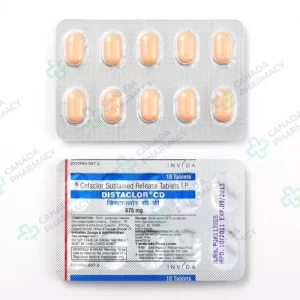
Ceclor CD
Price range: $ 53,00 through $ 154,00
Active substance: Cefaclor
More Details
This product has multiple variants. The options may be chosen on the product page
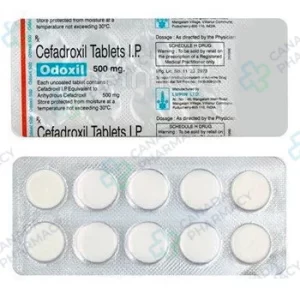
Cefadroxil
Price range: $ 41,00 through $ 349,00
Active substance: cefadroxil
More Details
This product has multiple variants. The options may be chosen on the product page
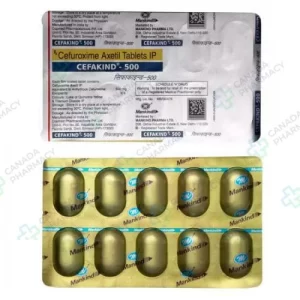
Ceftin
Price range: $ 38,00 through $ 386,00
Active substance: Cefuroxime
More Details
This product has multiple variants. The options may be chosen on the product page
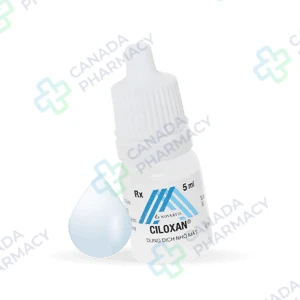
Ciloxan Ophthalmic Solution
Price range: $ 50,00 through $ 63,00
Active substance: Ciprofloxacin hydrochloride
More Details
This product has multiple variants. The options may be chosen on the product page