

-30%

Maxman
Price range: $ 32,00 through $ 160,00

Obelit
Price range: $ 33,00 through $ 474,00
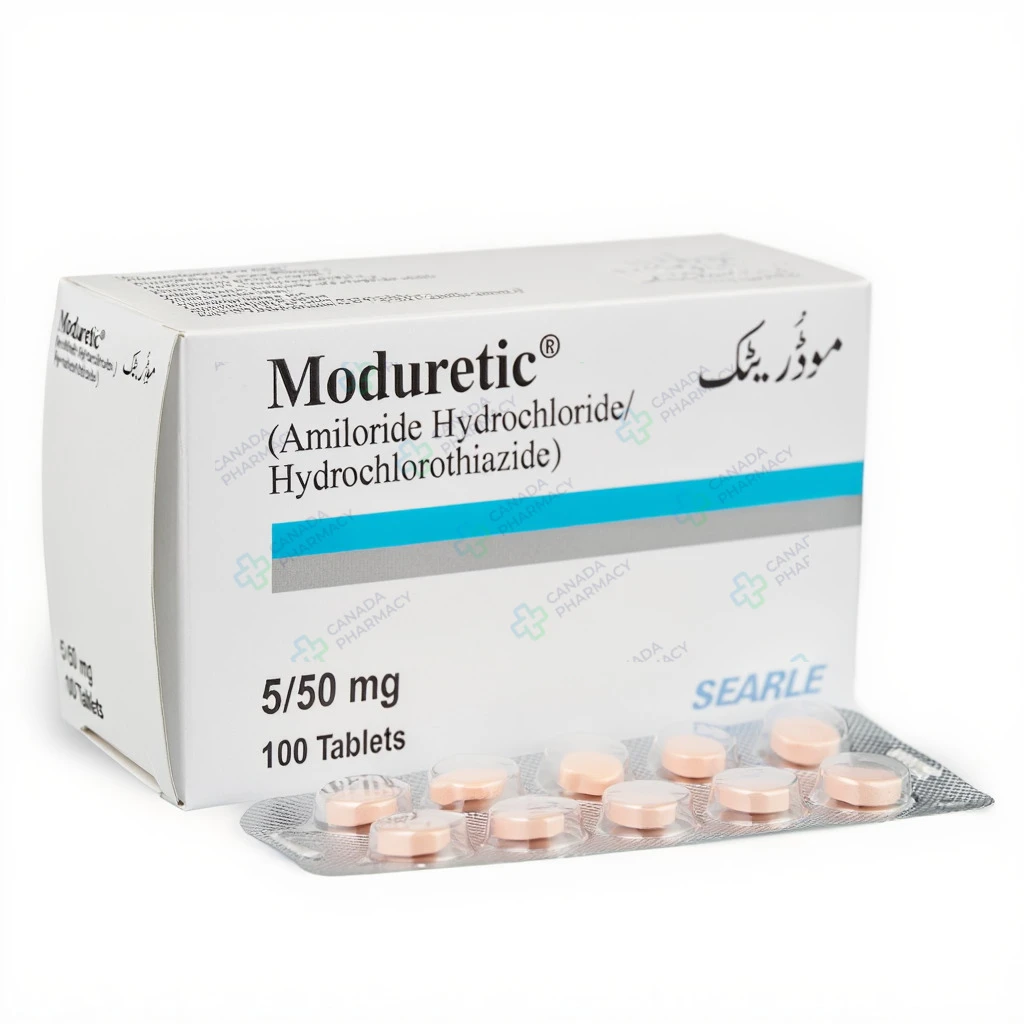
Moduretic
Price range: $ 59,00 through $ 249,00
Moduretic is a combination medication containing amiloride and hydrochlorothiazide, specifically formulated to manage high blood pressure and fluid retention. This diuretic works by helping the kidneys eliminate excess salt and water from the body through increased urine production. Unlike some other diuretics, it is designed to maintain a healthy balance of potassium while flushing out unwanted fluids. It is primarily used to treat hypertension and edema associated with congestive heart failure or hepatic cirrhosis. By controlling blood pressure and reducing swelling, this medication helps support overall cardiovascular health and prevents complications.
Active substance: Amiloride, hydrochlorothiazide
Delivery: 5–21 days (depending on the shipping method)
Extra 10% discount with coupon: IT4K6SVM
Each dosage option has its own packaging choices.
Description
Moduretic is a fixed-dose combination prescription drug indicated for fluid retention and blood pressure control. In the United States, this medication is categorized as a prescription-only (Rx) product regulated by the FDA, meaning it must be ordered and supervised by a licensed healthcare provider. The combination pairs amiloride hydrochloride, a potassium-sparing diuretic, with hydrochlorothiazide, a thiazide diuretic.
On one hand, hydrochlorothiazide effectively promotes fluid excretion to lower blood pressure and reduce swelling; on the other hand, it can cause potassium depletion. The addition of amiloride counteracts potassium loss, establishing a balanced diuretic response designed to maintain normal electrolyte concentrations during therapeutic use.
| Attribute | Details |
|---|---|
| Drug Name | Moduretic |
| Active Ingredients | Amiloride hydrochloride (5 mg) / Hydrochlorothiazide (50 mg) |
| Therapeutic Class | Potassium-sparing diuretic combination |
| Dosage Form | Oral tablet |
| Prescription Status | Prescription only (Rx) |
| Primary Purpose | Management of hypertension and edema while preventing potassium depletion |
1. Key Clinical Information
What it’s used for: Moduretic is primarily indicated for patients with hypertension (high blood pressure) or edema (fluid accumulation) associated with congestive heart failure or hepatic cirrhosis. Clinical decisions to choose this combination product rather than a single-agent diuretic usually stem from a patient’s vulnerability to hypokalemia (abnormally low blood potassium levels). On one hand, standalone thiazide therapy effectively reduces volume overload, but on the other hand, it increases renal potassium excretion. Combining both agents helps manage blood pressure or fluid retention while stabilizing blood potassium levels within a narrow physiological range. Any off-label applications of this therapeutic combination must be determined strictly by a qualified clinician based on individual clinical evaluations.
How the drug works: The mechanism of action relies on complementary pathways within the nephron. Hydrochlorothiazide acts on the distal convoluted tubules of the kidney, inhibiting the reabsorption of sodium and chloride ions. This inhibition promotes sodium excretion, carrying water along with it to reduce intravascular and extracellular volume. Simultaneously, amiloride acts on the cortical collecting duct by directly inhibiting epithelial sodium channels. By blocking sodium entry, amiloride decreases the negative transmembrane potential that normally drives potassium excretion into the tubular fluid. The net physiological result is an effective increase in urine output (diuresis) alongside reduced excretion of potassium ions into the urine.
What happens in the body: Following oral administration, both active components display predictable pharmacokinetics. Hydrochlorothiazide is absorbed relatively quickly, with diuretic onset occurring within 2 hours, reaching peak action around 4 hours, and maintaining activity for approximately 6 to 12 hours. Its plasma elimination half-life ranges between 5.6 and 14.8 hours, with primary excretion occurring unchanged via the renal system. Amiloride exhibits an onset of action within 2 hours, reaching peak concentration in approximately 3 to 4 hours, and possesses a half-life of roughly 6 to 9 hours. Amiloride is likewise eliminated mainly unchanged in the urine. Because both drugs rely on kidney function for clearance, renal efficiency directly affects their duration of action and accumulation risk in the bloodstream.
Dosing schedule: The dosage of Moduretic is individualized based on therapeutic response and clinical monitoring. The standard baseline dosage for most adults is one tablet daily, containing 5 mg of amiloride hydrochloride and 50 mg of hydrochlorothiazide. If necessary, a physician may increase the dose to a maximum of two tablets daily, administered either as a single dose or in divided doses. Taking the tablet in the morning with food is generally advised to prevent nocturnal diuresis (frequent nighttime urination) and lessen potential gastrointestinal discomfort. Regular blood pressure readings and blood chemistry panels are routinely used by prescribers to adjust or maintain the dosage safely over time.
What side effects may occur: While Moduretic balances potassium excretion, it carries potential adverse effects that require monitoring. Common side effects include mild nausea, anorexia, headache, dizziness, fatigue, and abdominal pain. Electrolyte alterations remain a primary consideration: hyperkalemia (excessively high potassium levels) can occur, particularly in individuals with renal impairment or diabetes mellitus. Conversely, hyponatremia (low blood sodium) or hypochloremia can also develop. Other less common reactions include orthostatic hypotension (blood pressure drop upon standing), photosensitivity, elevated blood uric acid (potentially triggering gout attacks), and transient elevations in blood glucose. Patients experiencing persistent or severe discomfort should consult their prescribing healthcare professional.
What not to combine: Drug interactions with Moduretic can significantly alter its efficacy or increase the risk of severe toxicities. Concurrent use with potassium supplements, potassium-containing salt substitutes, or other potassium-sparing agents markedly increases the risk of life-threatening hyperkalemia. Concomitant therapy with Angiotensin-Converting Enzyme (ACE) inhibitors or Angiotensin II Receptor Blockers (ARBs) also warrants rigorous potassium monitoring. Nonsteroidal anti-inflammatory drugs (NSAIDs) may diminish the diuretic and antihypertensive efficacy of Moduretic while increasing the risk of acute renal dysfunction. Furthermore, hydrochlorothiazide decreases renal lithium clearance, substantially heightening the risk of lithium toxicity when these agents are combined.
If you skip a dose: If a dose of Moduretic is missed, it should be taken as soon as it is remembered on the same day. However, if the time is close to the next scheduled dose, the missed tablet should be skipped entirely, and the regular dosing schedule resumed. Patients must never double up on tablets to make up for a missed dose, as doubling the medication increases the risk of acute hypotension, excessive diuresis, or potassium disturbances.
What to avoid while taking it: Patients taking Moduretic should avoid potassium-enriched salt substitutes and over-the-counter potassium supplements unless explicitly instructed by their doctor. Consuming alcohol should be minimized or avoided, as alcohol can potentiate the blood pressure-lowering effect of the medication, increasing the risk of dizziness, lightheadedness, or fainting. Additionally, because hydrochlorothiazide can cause increased skin sensitivity to sunlight (photosensitivity), patients should minimize prolonged exposure to direct sunlight and sunlamps, using appropriate protective clothing and sunscreen when outdoors.
Red flags: Immediate medical evaluation is required if signs of severe hyperkalemia or hypersensitivity develop. The table below highlights critical symptoms that demand urgent clinical attention.
| Symptom Category | Specific Warning Signs |
|---|---|
| Severe Hyperkalemia | Unexplained muscle weakness, numbness, tingling in extremities, or cardiac palpitations |
| Allergic Reaction | Swelling of the face, lips, tongue, or throat, alongside severe skin rash or itching |
| Acute Eye Complications | Sudden decrease in visual acuity or acute ocular pain (possible angle-closure glaucoma) |
| Severe Dehydration / Hypotension | Severe dizziness, confusion, fainting, or marked reduction in urine volume |
Important precautions: Moduretic requires caution in specific clinical scenarios. Patients with impaired renal function, severe liver dysfunction, or diabetes mellitus face heightened risks of hyperkalemia and fluid imbalance. Routine serum electrolyte, blood urea nitrogen (BUN), and creatinine monitoring are necessary during therapy. In pregnant women, thiazide diuretics cross the placental barrier and carry risks of fetal or neonatal jaundice, thrombocytopenia, and altered electrolyte balance; therefore, use during pregnancy requires careful risk-benefit evaluation by the clinician. Thiazides also pass into breast milk, making consultation essential for nursing mothers. Elderly individuals often exhibit heightened sensitivity to orthostatic hypotension and rapid fluid shifts, warranting lower initial doses and careful observation.
Storage and expiration: Moduretic tablets should be stored at controlled room temperature, typically between 20°C and 25°C (68°F to 77°F), with short excursions permitted between 15°C and 30°C (59°F to 86°F). Keep the container tightly closed and protected from light, moisture, and excessive heat. Do not store tablets in humid environments such as bathrooms. Always keep medications out of the reach of children and dispose of expired or unused medication in accordance with local drug take-back programs or community safety guidelines.
2. Frequently Asked Questions
Why does Moduretic combine two distinct diuretic active ingredients?
Combining amiloride and hydrochlorothiazide addresses the limitation of single-agent thiazide therapy. Hydrochlorothiazide effectively promotes fluid excretion to manage blood pressure or edema, but it causes the kidneys to excrete extra potassium. Amiloride acts on a different part of the kidney to block potassium excretion. Working together, they achieve effective fluid reduction while preserving essential serum potassium levels.
How long does it take to notice the diuretic effects of Moduretic after taking a dose?
Diuretic action typically begins within 2 hours after oral administration, reaching its maximum peak effect around 4 hours. The duration of increased fluid clearance generally spans between 6 and 12 hours depending on metabolic rate and hydration status. Because diuresis occurs relatively quickly, taking the medication in the morning helps prevent nighttime awakenings due to urinary frequency.
Is it necessary to follow specific dietary restrictions while taking this medication?
Yes. Patients taking Moduretic should carefully monitor their dietary potassium intake. Because amiloride reduces potassium elimination in urine, consuming potassium-rich salt substitutes or excessive high-potassium foods without medical guidance can cause abnormally high potassium levels (hyperkalemia). Patients should discuss their daily diet with their healthcare provider to maintain optimal electrolyte balance.
Can Moduretic affect blood sugar or cholesterol levels during long-term use?
Hydrochlorothiazide, one of the components in Moduretic, can occasionally alter glucose tolerance and cause mild elevations in blood glucose, cholesterol, or triglyceride levels. Patients with diabetes mellitus or metabolic syndrome may require more frequent blood sugar monitoring while on therapy. Prescribers monitor these lab parameters periodically to evaluate overall metabolic stability during treatment.
In accordance with FDA regulatory guidelines for prescription drug information.
This text is for informational purposes only and does not constitute individual medical advice.
Additional information
| Dosage |
50mg+5mg |
|---|---|
| Package |
60 pills ,90 pills ,120 pills ,180 pills ,270 pills ,360 pills |
| Ενεργός Ουσία | , |
Related products
Aldactone
Price range: $ 33,00 through $ 345,00
Active substance: Spironolactone
More Details
This product has multiple variants. The options may be chosen on the product page
Altace
Price range: $ 40,00 through $ 322,00
Active substance: Ramipril
More Details
This product has multiple variants. The options may be chosen on the product page
Avalide
Price range: $ 66,00 through $ 333,00
Active substance: Irbesartan
More Details
This product has multiple variants. The options may be chosen on the product page
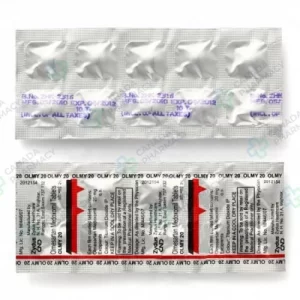
Benicar
Price range: $ 42,00 through $ 478,00
Active substance: Olmesartan
More Details
This product has multiple variants. The options may be chosen on the product page
Capoten
Price range: $ 42,00 through $ 323,00
Active substance: Captopril
More Details
This product has multiple variants. The options may be chosen on the product page
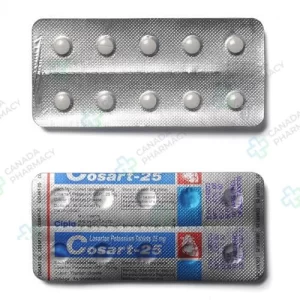
Cozaar
Price range: $ 41,00 through $ 281,00
Active substance: Losartan
More Details
This product has multiple variants. The options may be chosen on the product page

Ecosprin
Price range: $ 19,00 through $ 57,00
Active substance: aspirin
More Details
This product has multiple variants. The options may be chosen on the product page
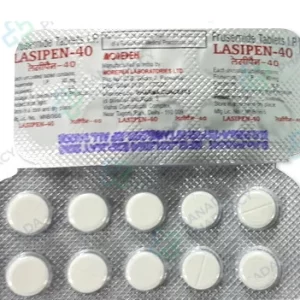
Furosemide
Price range: $ 46,00 through $ 193,00
Active substance: furosemide
More Details
This product has multiple variants. The options may be chosen on the product page