-39%
Pim-800
Price range: $ 43,00 through $ 274,00
Placentrex
Price range: $ 54,00 through $ 149,00
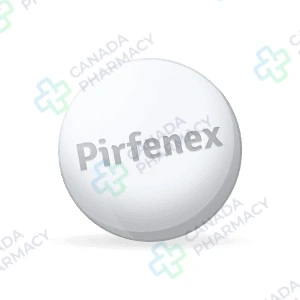
Pirfenex
Price range: $ 37,00 through $ 404,00
Pirfenex is a specialized oral medication primarily used for the treatment of idiopathic pulmonary fibrosis (IPF). Its active component, pirfenidone, possesses potent antifibrotic and anti-inflammatory properties that target lung tissue scarring. By interfering with the production of collagen and certain growth factors, the drug effectively slows the progression of the disease. This treatment is designed to help preserve lung function and maintain respiratory capacity in patients facing chronic fibrotic conditions. Pirfenex is recognized globally as a reliable therapeutic option for managing the long-term symptoms and development of pulmonary fibrosis.
Active substance: Pirfenidone
Delivery: 5–21 days (depending on the shipping method)
Extra 10% discount with coupon: IT4K6SVM
Each dosage option has its own packaging choices.
Description
Pirfenex belongs to a class of medications known as anti-fibrotic agents. It is prescribed primarily to slow down the decline of pulmonary function in patients diagnosed with idiopathic pulmonary fibrosis (IPF). As a prescription medication regulated under U.S. federal standards, its use requires continuous evaluation and monitoring by a qualified healthcare professional.
Navigating treatment with Pirfenex involves balancing its documented efficacy in slowing disease progression against potential adverse effects and necessary daily precautions.
| Attribute | Details |
|---|---|
| Drug Name | Pirfenex |
| Active Ingredient | Pirfenidone |
| Therapeutic Class | Anti-fibrotic agent |
| Dosage Form | Oral capsule / tablet |
| Route of Administration | Oral |
| Prescription Status | Prescription (Rx) only |
Pirfenex: Overview and Clinical Profile
How the drug works
Pirfenex exerts its therapeutic effects through anti-fibrotic and anti-inflammatory mechanisms, although its exact molecular targets are not entirely understood. On one hand, the active substance, pirfenidone, works to attenuate fibroblast proliferation and reduce the accumulation of inflammatory cells in lung tissue. On the other hand, it inhibits the synthesis of key pro-fibrotic signaling proteins, most notably transforming growth factor-beta (TGF-beta) and tumor necrosis factor-alpha (TNF-alpha). By decreasing the excessive deposition of extracellular matrix components like collagen, the drug slows the progression of pulmonary scarring. While it cannot restore tissue that has already undergone fibrotic changes, this dual action helps preserve existing lung function over time.
Main uses
, The primary indication approved for Pirfenex is the management of idiopathic pulmonary fibrosis (IPF) in adult patients. IPF is a progressive, irreversible lung disease characterized by scarring of the air sacs, leading to worsening breathlessness and loss of lung elasticity. Clinical trials demonstrate that regular treatment with pirfenidone reduces the rate of decline in forced vital capacity (FVC)–a critical clinical marker measuring total exhalable air volume. Any therapeutic application of this agent outside of established pulmonary fibrosis guidelines is classified as off-label and requires distinct clinical rationale from a treating pulmonologist.
What happens in the body
Upon oral administration, Pirfenex is rapidly absorbed through the gastrointestinal tract, achieving peak blood plasma concentrations between 30 minutes and 4 hours. Administering the drug with food significantly lowers the peak concentration while helping to mitigate gastrointestinal discomfort. Pirfenidone is extensively metabolized by the liver, primarily via the Cytochrome P450 1A2 (CYP1A2) pathway, with minor contributions from CYP2C9, CYP2C19, CYP2D6, and CYP2E1 enzymes. Approximately 80% of the administered dose is excreted through the kidneys within 24 hours, mainly as the inactive metabolite 5-carboxy-pirfenidone. The elimination half-life is estimated at approximately 3 hours in individuals with standard metabolic function.
What you may notice early on
When starting therapy with Pirfenex, patients usually undergo a gradual step-up titration period intended to minimize early gastrointestinal side effects. During the initial weeks, mild symptoms such as reduced appetite, light nausea, or minor stomach irritation may occur as the digestive system adapts. It is vital to note that clinical benefits develop gradually over months rather than days. Physicians assess overall efficacy through scheduled spirometry and lung function testing rather than immediate symptomatic changes, as the fundamental goal of therapy is disease stabilization.
Dosing schedule
Dosing of Pirfenex must strictly adhere to the titration schedule directed by a prescribing physician to maximize tolerability. Standard treatment protocols typically start at a lower daily dosage (e.g., 267 mg three times daily) and increase in weekly steps over a three-week period until reaching the maintenance dosage of 801 mg three times daily (totaling 2,403 mg per day). Tablets or capsules should be swallowed whole with meals at regular intervals throughout the day. If treatment is interrupted for seven or more consecutive days, re-titration starting from the initial low dose is generally required under physician supervision.
Treatment Guidelines and Patient Safety
Compatibility with other medicines
Drug interactions require careful clinical oversight due to the metabolism of pirfenidone by hepatic CYP1A2 enzymes. Strong CYP1A2 inhibitors, such as fluvoxamine or enoxacin, markedly increase serum concentrations of pirfenidone and are generally contraindicated or require significant dosage reduction. Moderate CYP1A2 inhibitors like ciprofloxacin can also increase systemic drug exposure and may necessitate lower dosages. Conversely, CYP1A2 inducers, including chronic cigarette smoking or omeprazole, accelerate drug clearance and reduce therapeutic efficacy. Always inform your healthcare provider of all prescription medications, over-the-counter drugs, and dietary supplements currently taken.
What side effects may occur
Clinical data identifies several potential adverse reactions linked to Pirfenex. Gastrointestinal reactions are among the most frequently observed, including nausea, dyspepsia, heartburn, abdominal pain, diarrhea, and decreased appetite leading to weight loss. Dermatologic reactions, particularly photosensitivity rashes and sunburn-like skin responses, occur regularly upon exposure to sunlight or ultraviolet light. Other reported systemic side effects include fatigue, headache, dizziness, and insomnia. While many mild side effects decrease in intensity over time, persistent or severe reactions may require dosage adjustment or temporary cessation of therapy.
Important precautions
Routine medical monitoring is critical during treatment with Pirfenex. Hepatic transaminase elevations (ALT, AST) and bilirubin increases can occur; therefore, liver function tests must be conducted prior to starting treatment, monthly for the first six months, and quarterly thereafter. Patients presenting with severe liver impairment or end-stage renal disease require specific medical evaluation, as the drug is not recommended for severe organ dysfunction. Safety during pregnancy and lactation has not been established; thus, administration to pregnant or nursing mothers requires weighing potential benefits against risks under specialist care.
What to avoid while taking it
Dietary habits and environmental exposure play critical roles during Pirfenex administration. Consuming doses with meals alters drug absorption kinetics, lowering peak plasma concentrations and reducing the frequency of gastrointestinal discomfort. Patients must avoid direct exposure to sunlight, sunlamps, and tanning beds, applying broad-spectrum sunscreen (SPF 50 or higher) and wearing protective clothing daily. Alcohol consumption should be limited or avoided, as combining alcohol with pirfenidone can compound gastrointestinal irritation and place additional stress on hepatic function.
If you skip a dose
If a dose of Pirfenex is missed, it should be taken with food as soon as remembered, unless it is almost time for the next scheduled dose. Double doses should never be taken to compensate for a skipped tablet. If treatment is missed for several consecutive days, patients should contact their doctor before resuming, as restarting therapy often requires returning to the initial titration phase to prevent acute gastrointestinal distress.
Storage and expiration
Pirfenex should be stored at controlled room temperature, ideally between 68°F and 77°F (20°C to 25°C), with brief excursions permitted between 59°F and 86°F (15°C and 30°C). Keep the bottle tightly closed in its original container, shielded from moisture, high temperatures, and direct lighting. Storage in humid environments like bathrooms should be avoided. Safely discard any unused or expired medication in accordance with federal and local pharmaceutical waste guidelines.
Common questions
Can I continue smoking while taking Pirfenex?
Cigarette smoking induces the liver enzyme CYP1A2, which speeds up the metabolism of pirfenidone. This leads to significantly lower blood levels of the drug, which can decrease its clinical effectiveness. Patients are strongly advised to stop smoking before starting Pirfenex and refrain from smoking throughout treatment.
What should I do if I develop a photosensitivity skin rash?
If a photosensitivity reaction or sunburn-like rash occurs, avoid direct sun exposure immediately and contact your healthcare provider. Depending on severity, your physician may recommend a temporary dose reduction, temporary treatment suspension, or topical management until the rash resolves.
Why are regular liver blood tests mandatory during treatment?
Pirfenex can cause elevations in liver enzymes (ALT, AST) and bilirubin. Monitoring liver function before treatment, monthly for the first six months, and quarterly thereafter allows clinicians to identify hepatic changes early and adjust or pause therapy before significant liver injury develops.
Does Pirfenex reverse existing lung damage in IPF?
No, Pirfenex does not reverse or repair existing fibrotic tissue scarring in the lungs. On one hand, it slows down the rate of decline in pulmonary function over time; on the other hand, it functions as a preventive agent against disease progression rather than a curative treatment.
Is it safe to drive after taking a dose?
Pirfenex can cause central nervous system effects such as dizziness or tiredness in some individuals. Patients should evaluate how they react to the medication before driving, operating machinery, or performing tasks requiring heightened alertness.
In accordance with FDA guidelines and U.S. federal regulatory standards.
This text is for informational purposes only and does not constitute individual medical advice.
Additional information
| Dosage |
200 mg ,400 mg ,600 mg ,801 mg |
|---|---|
| Package |
30 pills ,60 pills ,90 pills ,120 pills ,180 pills ,240 pills ,270 pills ,360 pills |
| Ενεργός Ουσία |
Related products
Actigall
Price range: $ 60,00 through $ 521,00
Active substance: Ursodiol
More Details
This product has multiple variants. The options may be chosen on the product page

Amalaki
Price range: $ 42,00 through $ 72,00
Active substance: Amalaki (Emblica officinalis) Extract
More Details
This product has multiple variants. The options may be chosen on the product page
Beclamethasone
Price range: $ 60,00 through $ 205,00
Active substance: Beclomethasone Dipropionate
More Details
This product has multiple variants. The options may be chosen on the product page
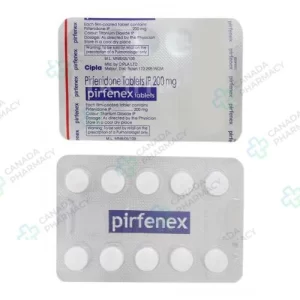
Esbriet
Price range: $ 100,00 through $ 328,00
Active substance: Pirfenidone
More Details
This product has multiple variants. The options may be chosen on the product page
Eurax Lotion
Price range: $ 3,00 through $ 15,00
Active substance: Crotamiton
More Details
This product has multiple variants. The options may be chosen on the product page
Folic Acid
Price range: $ 6,00 through $ 18,00
Active substance: Folic Acid
More Details
This product has multiple variants. The options may be chosen on the product page
Levothroid
Price range: $ 42,00 through $ 144,00
Active substance: Levothyroxine sodium
More Details
This product has multiple variants. The options may be chosen on the product page