

-68%
Sartel
Price range: $ 75,00 through $ 288,00
Septilin
Price range: $ 63,00 through $ 83,00
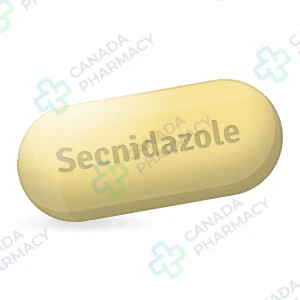
Secnidazole
Price range: $ 52,00 through $ 199,00
Secnidazole is a potent anti-infective medication belonging to the nitroimidazole class, specifically designed to target and eliminate various bacterial and protozoal infections. It is widely recognized as an effective single-dose treatment for bacterial vaginosis in adult women, helping to restore a healthy internal balance. Furthermore, this medication is indicated for the treatment of intestinal and hepatic amebiasis as well as giardiasis. Its long-lasting therapeutic effect ensures that a single administration is often sufficient to achieve complete resolution of the infection. By interfering with the DNA of anaerobic microorganisms, Secnidazole provides a reliable solution for managing these specific health conditions.
Active substance: Secnidazole
Delivery: 5–21 days (depending on the shipping method)
Extra 10% discount with coupon: IT4K6SVM
Each dosage option has its own packaging choices.
Description
Secnidazole belongs to the 5-nitroimidazole class of antimicrobial agents designed for target-specific therapy in infectious diseases. In the United States, this prescription medication is FDA-approved for the treatment of bacterial vaginosis in adult females and trichomoniasis in adult and pediatric patients aged 12 years and older. Because it is classified as a prescription-only drug (Rx), it must be obtained with a valid order from a licensed healthcare professional.
The pharmacological significance of secnidazole lies in its extended terminal elimination half-life, which enables a complete course of therapy to be delivered in a single oral dose. Proper diagnostic evaluation by a medical provider is required prior to initiation to confirm susceptible microbial etiology and reduce the risk of developing drug-resistant pathogens.
| Attribute | Details |
|---|---|
| Drug Name | Secnidazole |
| Active Ingredient | Secnidazole |
| Pharmacologic Class | 5-Nitroimidazole antimicrobial |
| Dosage Form | Oral granules (2 g single-dose packet) |
| Route of Administration | Oral |
| Prescription Status | Prescription (Rx) only |
Clinical Indications and Pharmacologic Profile
Main uses
Secnidazole is indicated for the treatment of bacterial vaginosis caused by susceptible anaerobic microorganisms in adult women. It is also indicated for the treatment of trichomoniasis caused by Trichomonas vaginalis in adult and pediatric patients 12 years of age and older. Diagnostic confirmation through clinical laboratory testing, such as wet mount microscopic examination or nucleic acid amplification testing, should be performed before starting therapy. In some clinical practices internationally, secnidazole has been investigated or utilized for conditions such as intestinal amebiasis, hepatic amebiasis, and giardiasis; however, these applications are not FDA-approved in the United States and are considered off-label uses. Prescribers evaluate individual patient factors and microbiological profiles when selecting antimicrobial therapy.
How the drug works
Secnidazole is a 5-nitroimidazole derivative that exerts bactericidal and antiprotozoal activity through cellular metabolic activation. The molecule passively diffuses across the cell membrane of susceptible anaerobic bacteria and protozoa. Once inside the microbial cell, the nitro group of secnidazole is chemically reduced by low-redox-potential electron transport proteins unique to anaerobic microorganisms. This reduction generates reactive intermediate species and free radicals that interact directly with microbial deoxyribonucleic acid (DNA). The resulting DNA strand breakage and inhibition of nucleic acid synthesis ultimately lead to microbial cell death. Secnidazole demonstrates selective toxicity toward anaerobic pathogens, leaving aerobic organisms largely unaffected.
Dosing schedule
The standard dosage for secnidazole in approved indications is a single 2-gram packet of oral granules administered once by mouth. The entire contents of the packet must be sprinkled onto a spoonful of soft food, such as applesauce, yogurt, or pudding. The mixture should be consumed immediately within 30 minutes of preparation without chewing or crushing the individual granules. Patients should follow the dose with a full glass of water to ensure complete ingestion. Secnidazole granules are not intended to be dissolved in liquids or chewed. Administration does not depend on the timing of meals, but mixing with specified soft foods facilitates proper ingestion without compromising the modified-release properties of the formulation.
What happens in the body
Following oral administration of a single 2-gram dose, secnidazole is rapidly and extensively absorbed from the gastrointestinal tract. Peak plasma concentrations (Cmax) are achieved approximately 9 to 12 hours after administration under fasting conditions or when taken with soft food. Secnidazole exhibits a prolonged elimination half-life of approximately 17 to 19 hours, which is substantially longer than earlier nitroimidazole derivatives such as metronidazole. Plasma protein binding is minimal, accounting for less than 5% of the drug in circulation. Secnidazole undergoes metabolic transformation in the liver via oxidative pathways, primarily involving hepatic enzymes, and is cleared slowly through renal and fecal excretion routes. The extended exposure profile supports its single-dose therapeutic regimen.
Compatibility with other medicines
Co-administration of secnidazole with certain pharmacologic agents requires caution. Co-administration with oral anticoagulants, such as warfarin, may potentially enhance hypoprothrombinemic effects, necessitating closer monitoring of prothrombin time and International Normalized Ratio (INR) levels. Concomitant use with alcohol or products containing propylene glycol should be avoided during treatment and for at least 48 hours following the dose to mitigate the theoretical risk of a disulfiram-like reaction, characterized by flushing, abdominal cramps, nausea, and tachycardia. Drugs that significantly induce or inhibit cytochrome P450 liver enzymes can alter systemic exposure levels of nitroimidazoles, though clinically significant metabolic interactions with secnidazole remain limited due to its low affinity for major CYP isoforms.
Adverse reactions
Clinical trials evaluate the safety profile of secnidazole, showing that most reported side effects are mild to moderate in severity and self-limiting. The most frequent adverse event observed is vulvovaginal candidiasis (fungal yeast infection), occurring as a secondary effect due to alteration of the normal vaginal microflora. Central nervous system and gastrointestinal reactions are also reported, including dysgeusia (a metallic or altered sense of taste), nausea, headache, diarrhea, vomiting, and abdominal pain. Less commonly, patients may experience localized oral stomatitis, fatigue, or dizziness. Rare but severe adverse reactions associated with nitroimidazole class agents include systemic hypersensitivity reactions, severe cutaneous reactions, and peripheral or central neurological toxicities.
What to avoid while taking it
When taking secnidazole, patients must avoid chewing or crushing the granules to prevent premature drug release and bitter taste. Alcoholic beverages, as well as over-the-counter medications containing ethanol or propylene glycol, should be avoided during secnidazole therapy and for a minimum of 48 hours after consuming the dose. Combining nitroimidazole derivatives with alcohol can trigger uncomfortable systemic symptoms, including severe nausea, headache, facial flushing, and vomiting. Consuming the granules mixed with appropriate soft foods (applesauce, pudding, or yogurt) helps ensure smooth administration.
First days of treatment
Because secnidazole is administered as a single-dose regimen, the full therapeutic course is completed upon taking the single dose. Clinical improvement of symptoms associated with bacterial vaginosis (such as discharge or odor) or trichomoniasis typically begins within 48 to 72 hours following administration. Patients may notice a transient metallic taste in the mouth shortly after taking the granules, which usually subsides within a day or two. If clinical symptoms fail to improve or worsen after several days, re-evaluation by a healthcare professional is necessary to rule out alternative pathogens or treatment failure.
Special populations
The safety and efficacy of secnidazole require special evaluation in specific patient groups. Data regarding secnidazole use in pregnant women are limited and insufficient to inform a drug-associated risk of adverse developmental outcomes; it should be prescribed during pregnancy only if the potential benefit outweighs the potential risk. Secnidazole is excreted in human milk. To minimize exposure to a nursing infant, a breastfeeding woman should pump and discard breast milk during secnidazole treatment and for 96 hours (4 days) after receiving the dose. Pediatric safety and effectiveness have been established for trichomoniasis in patients aged 12 years and older, but safety has not been established in patients under 12 years of age or for pediatric bacterial vaginosis. Clinical studies of secnidazole did not include sufficient numbers of subjects aged 65 and over to determine whether elderly patients respond differently from younger subjects.
Important precautions
Prescribers monitor several clinical precautions when recommending secnidazole. Treatment with antimicrobial agents can alter normal microbiota, potentially leading to superinfections such as vulvovaginal candidiasis or Clostridioides difficile-associated diarrhea. Patients with a history of central nervous system disorders or active neurological disease should be monitored closely, as nitroimidazoles carry a risk of neurotoxicity, including peripheral neuropathy and convulsive seizures; treatment should be discontinued if abnormal neurological signs develop. In cases of trichomoniasis, treating the sexual partner simultaneously is essential to prevent reinfection and transmission. Prescribing secnidazole in the absence of a proven or strongly suspected microbial infection is unlikely to provide benefit and increases the risk of antimicrobial resistance.
Storage and expiration
Secnidazole oral granules must be stored in their original protective foil packet until immediately before administration. Store at controlled room temperature between 20°C and 25°C (68°F to 77°F), with permitted excursions between 15°C and 30°C (59°F and 86°F) according to United States Pharmacopeia (USP) guidelines. Protect the medication from excessive moisture and direct light exposure. Do not use secnidazole past the expiration date clearly printed on the outer carton and foil packaging. Keep this medication out of the reach of children and pets.
Patient Frequently Asked Questions
How should secnidazole granules be taken if I have difficulty swallowing pills?
Secnidazole is specifically formulated as oral granules to assist patients who have difficulty swallowing tablets or capsules. The single-dose packet contents should be sprinkled directly onto one spoonful of a soft food such as applesauce, yogurt, or pudding. The mixture must be swallowed immediately without chewing or crushing the granules. Drinking a full glass of water right after swallowing the food mixture helps ensure all granules are completely ingested into the stomach.
Is it necessary to avoid alcohol after completing a single dose of secnidazole?
Yes, patients should refrain from consuming alcoholic beverages or medications containing alcohol or propylene glycol during therapy and for at least 48 hours after taking the single dose of secnidazole. Nitroimidazole compounds can interfere with alcohol metabolism, leading to a reaction characterized by severe nausea, vomiting, abdominal cramps, headache, and flushing. Delaying alcohol intake for 48 hours allows the medication to be sufficiently cleared from the bloodstream.
Why is concurrent treatment of sexual partners recommended for trichomoniasis?
Trichomoniasis is a sexually transmitted infection caused by the protozoan Trichomonas vaginalis. Even if a sexual partner shows no symptoms, they can carry the parasite and reinfect the patient after treatment is completed. Concurrent treatment of all sexual partners with an appropriate antimicrobial regimen is necessary to break the cycle of reinfection and prevent the spread of the infection within the community.
What steps should be taken if symptoms do not improve after taking secnidazole?
If clinical symptoms of bacterial vaginosis or trichomoniasis do not improve or worsen within several days after taking secnidazole, contact your prescribing healthcare provider. Persistent symptoms may indicate a secondary infection, such as vulvovaginal candidiasis, a non-susceptible pathogen, or potential treatment failure. Additional laboratory testing may be required to identify the cause and select an alternative treatment strategy.
In accordance with FDA requirements.
This text is for informational purposes only and does not constitute individual medical advice.
Additional information
| Dosage |
1 gr |
|---|---|
| Package |
10 pills ,20 pills ,30 pills ,60 pills ,120 pills |
| Ενεργός Ουσία |
Related products
Augmentin
Price range: $ 56,00 through $ 678,00
Active substance: amoxicillin, clavulanate
More Details
This product has multiple variants. The options may be chosen on the product page

Azee
Price range: $ 30,00 through $ 150,00
Active substance: Azithromycin
More Details
This product has multiple variants. The options may be chosen on the product page
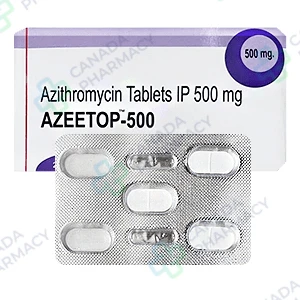
Azeetop
Price range: $ 40,00 through $ 250,00
Active substance: Azithromycin
More Details
This product has multiple variants. The options may be chosen on the product page
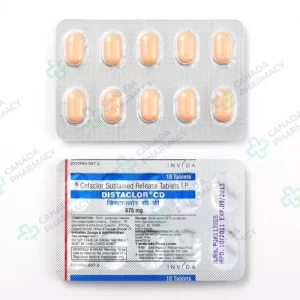
Ceclor CD
Price range: $ 53,00 through $ 154,00
Active substance: Cefaclor
More Details
This product has multiple variants. The options may be chosen on the product page
Cefaclor
Price range: $ 68,00 through $ 3 600,00
Active substance: cefaclor monohydrate
More Details
This product has multiple variants. The options may be chosen on the product page
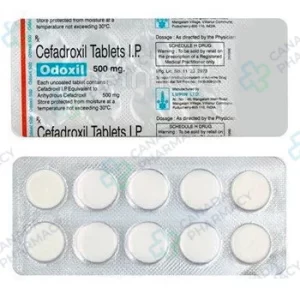
Cefadroxil
Price range: $ 41,00 through $ 349,00
Active substance: cefadroxil
More Details
This product has multiple variants. The options may be chosen on the product page
Chloromycetin
Price range: $ 52,00 through $ 242,00
Active substance: chloramphenicol
More Details
This product has multiple variants. The options may be chosen on the product page
Ciloxan Ophthalmic Solution
Price range: $ 50,00 through $ 63,00
Active substance: Ciprofloxacin hydrochloride
More Details
This product has multiple variants. The options may be chosen on the product page