

-13%
Thorazine
Price range: $ 47,00 through $ 161,00
Tiova Inhaler
Price range: $ 201,00 through $ 680,00
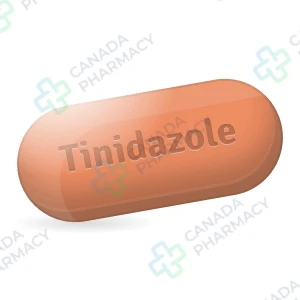
Tinidazole
Price range: $ 51,00 through $ 267,00
Tinidazole is a potent antiprotozoal and antibacterial medication designed to combat specific infections caused by parasites and bacteria. It is widely used to treat common conditions such as trichomoniasis and giardiasis by effectively eliminating the responsible organisms. Additionally, this medication provides a reliable solution for intestinal amebiasis and amebic liver abscesses. It is also an effective option for adult women suffering from bacterial vaginosis, helping to clear the infection and restore health. By disrupting the DNA of harmful microbes, Tinidazole ensures a fast-acting and thorough therapeutic response.
Active substance: tinidazole
Delivery: 5–21 days (depending on the shipping method)
Extra 10% discount with coupon: IT4K6SVM
Each dosage option has its own packaging choices.
Description
Tinidazole belongs to a group of medicines known as nitroimidazole antimicrobials. It is a prescription oral synthetic agent used in the United States to treat specific parasitic and bacterial infections in adult and pediatric populations. Proper use under medical supervision ensures optimal efficacy while minimizing the risk of drug resistance.
As an FDA-approved prescription medication, tinidazole must be taken exactly as directed by a licensed healthcare provider. Treatment regimens vary depending on the target pathogen, ranging from single-dose therapies to multi-day courses.
| Drug Name | Tinidazole |
| Active Ingredient (INN) | Tinidazole |
| Therapeutic Class | Nitroimidazole antimicrobial |
| Dosage Form | Oral tablet (250 mg, 500 mg) |
| Route of Administration | Oral |
| Prescription Status | Prescription only (Rx) |
How the drug works
Tinidazole is an antiprotozoal and antibacterial prodrug. Once inside susceptible microorganisms, the nitro group of tinidazole undergoes chemical reduction by electron transport proteins specific to anaerobic micro-organisms. This reduction process generates toxic free-radical intermediates and reactive metabolites that bind to cellular microstructures, disrupting microbial DNA synthesis and causing single-strand DNA breakage. The inhibition of nucleic acid synthesis ultimately leads to cell death of the target organism. Human cells lack the specific metabolic pathways required for this rapid enzymatic reduction, which provides selective toxicity against targeted anaerobic bacteria and protozoa including Trichomonas vaginalis, Giardia lamblia, and Entamoeba histolytica.
Main uses
Tinidazole is indicated for the treatment of specific infections caused by susceptible protozoa and bacteria. The primary FDA-approved indications include intestinal amebiasis and amebic liver abscess caused by Entamoeba histolytica in both adults and pediatric patients over three years of age. It is also FDA-approved for giardiasis caused by Giardia lamblia in adults and children older than three years. Additionally, tinidazole is approved to treat trichomoniasis caused by Trichomonas vaginalis in female and male patients; sexual partners should be treated simultaneously to prevent re-infection. In non-pregnant adult women, tinidazole is indicated for bacterial vaginosis.
In clinical practice, prescribers may occasionally select tinidazole for off-label uses. Off-label indications include use as part of multidrug eradication regimens for Helicobacter pylori infection or management of pouchitis following ileal pouch-anal anastomosis; these applications are off-label and are not explicitly listed in the FDA-approved product labeling.
Dosing schedule and Administration
Tinidazole is administered orally in tablet form. Dosing varies significantly based on the specific infection being treated, patient age, body weight, and clinical status. To minimize potential gastrointestinal discomfort, tinidazole tablets should be taken with food. For pediatric patients who cannot swallow whole tablets, a pharmacist can compound an oral suspension using crushed tablets and appropriate syrup vehicles.
Exact dosage regimens are determined solely by the treating prescriber. Patients must complete the full prescribed course of therapy even if symptoms improve prior to finishing the medication. Prematurely stopping treatment can lead to incomplete eradication of the infection and increase the potential for treatment failure or antimicrobial resistance.
How it’s absorbed and eliminated
Following oral administration, tinidazole is rapidly and virtually completely absorbed from the gastrointestinal tract. Administration with food may slightly delay peak concentration, but overall bioavailability remains unaffected. Peak plasma concentrations are typically achieved within approximately 1.6 to 2 hours after administration. Tinidazole distributes broadly into body tissues and fluids, crossing both the blood-brain barrier and the placenta, and is excreted into breast milk.
Protein binding in human plasma is relatively low, measured at approximately 12%. Tinidazole is significantly metabolized prior to excretion, primarily by the cytochrome P450 enzyme system, specifically the CYP3A4 isoform. The primary elimination half-life of tinidazole in healthy adults ranges from 12 to 14 hours. The drug and its metabolites are eliminated mainly via the kidneys and liver, with approximately 60% to 65% of the dose excreted in urine and 12% excreted in feces.
Adverse reactions
Tinidazole treatment may cause mild to moderate side effects, which are usually self-limiting upon completion of therapy. The most common adverse effects reported in clinical trials involve the digestive tract. Patients frequently report a metallic or bitter taste, nausea, anorexia, abdominal discomfort or cramping, vomiting, and constipation or diarrhea. Neurological events such as dizziness, lightheadedness, and headache are also known to occur during treatment.
Less frequent adverse effects include fatigue, physical weakness, dark-colored urine, and candidal superinfections (such as oral thrush or vaginal yeast infections). Although uncommon, serious reactions including leukopenia (decreased white blood cell count) and peripheral neuropathy characterized by numbness or tingling in extremities have been reported, particularly with prolonged administration.
Compatibility with other medicines
Tinidazole can interact with several co-administered medications, potentially altering plasma concentrations or increasing adverse effects. Co-administration with oral anticoagulants, such as warfarin, may enhance the anticoagulant effect and increase bleeding risk; prothrombin time monitoring is recommended. Concomitant use with lithium may elevate serum lithium concentrations, increasing the risk of lithium toxicity.
Inducers of CYP3A4 enzymes (such as phenobarbital, rifampin, or phenytoin) may accelerate tinidazole metabolism, lowering its systemic clearance and efficacy. Conversely, inhibitors of CYP3A4 (such as ketoconazole or clarithromycin) may increase tinidazole plasma levels. Simultaneous administration with fluorouracil can reduce fluorouracil clearance, potentially enhancing fluorouracil toxicity. Patients should inform their doctor of all prescription drugs, over-the-counter products, and supplements currently in use.
What to avoid while taking it
Alcohol consumption must be strictly avoided during tinidazole therapy and for at least 72 hours (3 days) after the final dose. Combining tinidazole with ethanol induces a severe disulfiram-like reaction due to inhibition of aldehyde dehydrogenase. Symptoms of this reaction include severe abdominal cramps, nausea, vomiting, facial flushing, headache, and palpitations. This restriction applies to all alcoholic beverages, as well as over-the-counter cough or cold syrups containing alcohol. Taking tinidazole with a meal is recommended to prevent stomach upset.
Important precautions
Tinidazole carries important warnings regarding central and peripheral nervous system toxicities. Development of abnormal neurological signs, such as numbness, tingling, weakness, tremors, or seizures, warrants immediate medical evaluation and discontinuation of therapy. Preclinical rodent studies with related nitroimidazole compounds showed evidence of carcinogenicity; therefore, unnecessary use of tinidazole should be avoided. Patients with active hepatic impairment require dosage adjustments due to prolonged clearance times.
Special attention is required for pediatric patients and individuals with a history of blood dyscrasias. Complete blood cell counts should be monitored if repeat courses or extended treatments are clinically necessary. Patients undergoing hemodialysis may require supplemental doses because clearance is increased during dialysis sessions.
Special populations
Use of tinidazole during the first trimester of pregnancy is contraindicated for trichomoniasis treatment, as safety during organogenesis has not been established. During the second and third trimesters, tinidazole should be prescribed only if clearly needed when potential benefits outweigh maternal and fetal risks. Tinidazole is excreted in human breast milk; nursing mothers should pause breastfeeding during therapy and for at least 3 days after the last dose to prevent infant exposure. Elderly patients generally receive standard dosing but require monitoring if renal or hepatic function is diminished.
If you skip a dose
If a dose of tinidazole is missed, it should be taken as soon as remembered, provided it is taken with food. However, if it is nearly time for the next scheduled dose, the missed dose should be skipped, and the standard dosing schedule resumed. Double doses must never be taken to make up for a missed tablet. Maintaining consistent blood levels of the antimicrobial agent is essential for effective pathogen eradication, so adherence to the prescribed timetable is strongly encouraged.
Storage and expiration
Tinidazole tablets should be stored at controlled room temperature, ideally between 68°F and 77°F (20°C to 25°C), with permitted excursions between 59°F and 86°F (15°C to 30°C). The tablets must be protected from light and moisture in a tightly closed, light-resistant container. Keep out of reach of children and pets. Discard any expired medication in accordance with local FDA drug disposal recommendations, avoiding flushing unless specifically instructed.
When to seek help immediately
Certain adverse reactions require urgent medical evaluation. The table below highlights critical symptoms that necessitate immediate contact with a healthcare provider or emergency medical services.
| Symptom / Red Flag | Potential Underlying Condition |
|---|---|
| Swelling of the face, lips, tongue, or throat | Severe allergic reaction or anaphylaxis |
| Difficulty breathing or severe chest tightness | Acute respiratory hypersensitivity |
| Seizures or sudden convulsive episodes | Central nervous system toxicity |
| Numbness, tingling, or burning pain in hands or feet | Peripheral neuropathy |
| Severe, persistent headache with neck stiffness | Neurological impairment |
| Unexplained fever, chills, and severe sore throat | Severe leukopenia or blood dyscrasia |
Common questions
Why must alcohol be avoided for 3 days after stopping tinidazole?
Tinidazole has a long elimination half-life of 12 to 14 hours, meaning the drug remains in systemic circulation for several days after the last dose. Alcohol intake during this period can trigger a severe disulfiram-like reaction, characterized by flushing, vomiting, tachycardia, and severe cramps due to impaired alcohol metabolism.
What should I do if I experience a metallic taste while taking tinidazole?
A metallic or bitter taste is one of the most frequently reported side effects of tinidazole. It is benign and typically resolves shortly after the treatment course ends. Maintaining good oral hygiene, staying hydrated, or chewing sugar-free gum may help lessen the sensation during treatment.
Can tinidazole be used to treat viral or fungal infections?
No. Tinidazole is strictly an antimicrobial agent targeted against specific anaerobic bacteria and protozoa. It is ineffective against viral infections (such as the influenza virus or common cold) and fungal pathogens. Using tinidazole for unapproved viral or fungal infections increases the risk of side effects without clinical benefit.
Is tinidazole identical to metronidazole?
While both medications belong to the nitroimidazole drug class, they are distinct active pharmaceutical ingredients. Tinidazole possesses a longer elimination half-life, which often allows for shorter treatment durations or less frequent daily dosing compared to metronidazole depending on the indication.
Can tinidazole cause urine discoloration?
Yes, tinidazole may cause urine to turn a dark or reddish-brown color. This change is caused by water-soluble metabolites of the drug being excreted through the kidneys. It is a harmless side effect and resolves once treatment is completed.
Source: U.S. Food and Drug Administration (FDA) approved prescribing information.
This text is for informational purposes only and does not constitute individual medical advice. In accordance with FDA requirements.
Additional information
| Dosage |
500mg |
|---|---|
| Package |
60 pills ,90 pills ,120 pills ,180 pills ,270 pills ,360 pills |
| Ενεργός Ουσία |
Related products

Azee
Price range: $ 30,00 through $ 150,00
Active substance: Azithromycin
More Details
This product has multiple variants. The options may be chosen on the product page

Azeetop
Price range: $ 40,00 through $ 250,00
Active substance: Azithromycin
More Details
This product has multiple variants. The options may be chosen on the product page
Bactrim
Price range: $ 41,00 through $ 196,00
Active substance: sulfamethoxazole, trimethoprim
More Details
This product has multiple variants. The options may be chosen on the product page

Baycip
Price range: $ 42,00 through $ 113,00
Active substance: Ciprofloxacin
More Details
This product has multiple variants. The options may be chosen on the product page
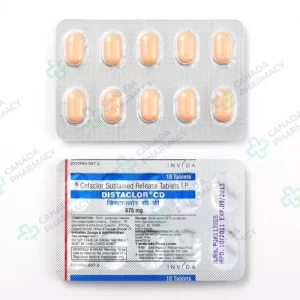
Ceclor CD
Price range: $ 53,00 through $ 154,00
Active substance: Cefaclor
More Details
This product has multiple variants. The options may be chosen on the product page
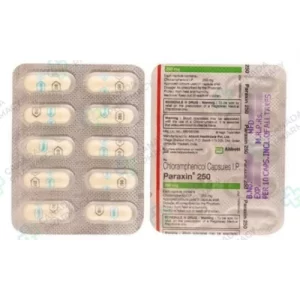
Chloromycetin
Price range: $ 52,00 through $ 242,00
Active substance: chloramphenicol
More Details
This product has multiple variants. The options may be chosen on the product page
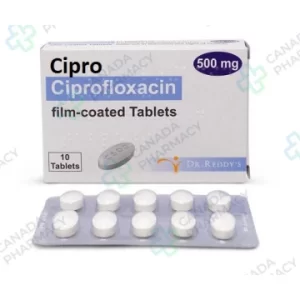
Cipro
Price range: $ 40,00 through $ 317,00
Active substance: Ciprofloxacin
More Details
This product has multiple variants. The options may be chosen on the product page
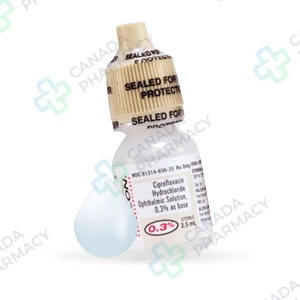
Ciprodex Ophthalmic Solution
Price range: $ 63,00 through $ 95,00
Active substance: Ciprofloxacin, Dexamethasone
More Details
This product has multiple variants. The options may be chosen on the product page