

-32%
Tinidazole
Price range: $ 51,00 through $ 267,00
Tiova Rotacap
Price range: $ 45,00 through $ 86,00
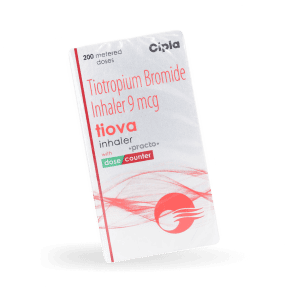
Tiova Inhaler
Price range: $ 201,00 through $ 680,00
Tiova Inhaler is an effective long-acting bronchodilator designed for the maintenance treatment of chronic respiratory conditions. It is primarily used to manage symptoms of chronic obstructive pulmonary disease (COPD), including chronic bronchitis and emphysema. The active ingredient, Tiotropium, works by relaxing the muscles around the airways to keep them open and improve airflow to the lungs. Regular use of this inhaler helps prevent common symptoms such as wheezing, coughing, and shortness of breath throughout the day. By providing consistent respiratory support, Tiova Inhaler allows individuals to breathe more easily and maintain an active daily lifestyle.
Delivery: 5–21 days (depending on the shipping method)
Extra 10% discount with coupon: IT4K6SVM
Each dosage option has its own packaging choices.
Description
Tiova Inhaler belongs to a group of medicines known as long-acting muscarinic antagonists (LAMAs), or anticholinergic bronchodilators. The medication is formulated to deliver tiotropium bromide directly into the airways to relax bronchial smooth muscle tissue and improve airflow over an extended period.
In the United States, tiotropium bromide formulations are dispensed in accordance with federal and state prescription regulations and require authorization from a licensed healthcare provider.
| Drug name | Tiova Inhaler |
| Active ingredient | Tiotropium bromide |
| Therapeutic class | Anticholinergic / Long-Acting Muscarinic Antagonist (LAMA) |
| Dosage form | Inhalation aerosol / Dry powder for inhalation |
| Route of administration | Oral inhalation |
| Primary purpose | Long-term maintenance treatment of chronic airflow limitation |
| Prescription status | Dispensed in accordance with applicable federal and state regulations |
Clinical Overview and Dosage
How the drug works
Tiotropium bromide functions by competitively and reversibly blocking M3 muscarinic receptors located on cholinergic nerve terminals in bronchial smooth muscle. Inhibition of these M3 receptors prevents acetylcholine from binding, which inhibits parasympathetic constriction of the airways. This action results in prolonged bronchodilation lasting up to 24 hours per dose due to the slow dissociation rate of tiotropium from M3 receptors compared to M2 receptors. The local therapeutic concentration achieved in the lungs produces systemic anticholinergic activity that remains minimal at recommended clinical doses.
What it’s used for
Tiova Inhaler is indicated for the long-term, once-daily maintenance treatment of bronchospasm associated with chronic obstructive pulmonary disease (COPD), including chronic bronchitis and emphysema. It is used to reduce exacerbations in patients managing chronic airflow obstruction. It is important to note that Tiova Inhaler is strictly a long-acting maintenance agent and is not indicated for the acute relief of sudden bronchospasm or rescue therapy during an acute asthma or COPD attack. Off-label use for non-approved inflammatory lung conditions must be specifically evaluated and supervised by a physician.
Dosing schedule
The standard administration schedule for tiotropium inhalation requires once-daily dosing at the same time each day to maintain stable therapeutic levels in bronchial tissues. Administration involves inhaling the contents of the prescribed device using proper technique to ensure optimal pulmonary deposition. Patients must not exceed the prescribed single daily dose within a 24-hour window. Consistent daily use is necessary to maintain bronchodilation; maximum improvements in pulmonary function tests are typically achieved after several days of consecutive therapy. Dosing adjustments are not routinely required for mild renal or hepatic impairment, though close monitoring is warranted in severe renal insufficiency.
How it’s absorbed and eliminated
Following oral inhalation, a significant portion of the delivered dose is deposited in the lungs, where it is rapidly absorbed into systemic circulation. Absolute bioavailability following inhalation is approximately 19.5%, reflecting high pulmonary absorption. Tiotropium exhibits a volume of distribution of approximately 32 L/kg, indicating extensive tissue binding. Plasma protein binding is approximately 72%. Metabolism of tiotropium is minimal and occurs non-enzymatically as well as via CYP2D6 and CYP3A4 isoenzymes. The majority of the absorbed drug is excreted unchanged in the urine through active tubular secretion. The effective terminal elimination half-life ranges from 5 to 6 days after repeated once-daily inhalation.
Safety, Precautions, and Usage Guidance
Compatibility with other medicines
Co-administration of Tiova Inhaler with other anticholinergic-containing medications (such as ipratropium, umeclidinium, or aclidinium) should be avoided due to the potential for additive systemic anticholinergic side effects. Concurrent use with cytochrome P450 inhibitors or inducers does not significantly alter tiotropium exposure, as hepatic metabolism plays a minor role in its elimination. Caution is advised when administering tiotropium alongside drugs excreted via active renal secretion, such as cimetidine or procainamide, as competitive renal clearance could theoretically increase plasma levels of tiotropium.
Adverse reactions
The most common adverse reaction reported with tiotropium inhalation therapy is dry mouth, which is mild in intensity and typically resolves during continued treatment. Additional reported anticholinergic reactions include constipation, urinary retention, pharyngitis, sinusitis, and upper respiratory tract infections. Less frequent but clinically significant adverse events include paradoxical bronchospasm, immediate hypersensitivity reactions (such as rash, angioedema, or urticaria), urinary tract infections, and cardiac arrhythmias including atrial fibrillation and tachycardia. Patients experiencing signs of narrow-angle glaucoma, such as eye pain, blurred vision, or visual halos, should consult a healthcare provider immediately.
Important precautions
Tiova Inhaler should be prescribed with caution in patients with narrow-angle glaucoma, prostatic hyperplasia, or bladder-neck obstruction, as anticholinergic activity may aggravate these conditions. Immediate hypersensitivity reactions may occur after administration; therapy must be discontinued if signs of anaphylaxis or angioedema develop. Like other inhaled maintenance medications, paradoxical bronchospasm with sudden worsening of wheezing may occur immediately after dosing; if this happens, a short-acting bronchodilator should be administered immediately. Patients with moderate to severe renal impairment (creatinine clearance ≤50 mL/min) should be monitored closely for anticholinergic side effects due to reduced renal drug clearance.
Storage and expiration
Tiova Inhaler units and associated packaging must be stored at controlled room temperature between 20°C and 25°C (68°F to 77°F), with excursions permitted between 15°C and 30°C (59°F to 86°F). Protect the medication from moisture, direct heat, and freezing temperatures. Capsules intended for dry powder inhalers must remain in their original blister packaging until immediately prior to use and should never be swallowed orally. Do not store the device in humid environments such as bathrooms. Discard the inhaler unit according to manufacturer instructions after the labeled expiration date or prescribed number of actuations has been reached.
Special populations
For pregnant women, tiotropium bromide should be used during pregnancy only if the potential benefit justifies the potential risk to the fetus, as adequate clinical data in pregnant humans are limited. It is unknown whether tiotropium is excreted in human milk; caution should be exercised when administering to nursing mothers. Clinical trials have demonstrated that efficacy and safety profiles in elderly patients (65 years and older) are comparable to younger adults, though decreased renal function in some elderly individuals may warrant closer supervision. Safety and efficacy in pediatric patients have not been established for COPD indications.
If you skip a dose
If a scheduled dose of Tiova Inhaler is missed, it should be inhaled as soon as remembered on that day. However, if it is almost time for the next scheduled dose, the missed dose should be skipped entirely, and the normal once-daily dosing schedule resumed. Double dosing or taking more than one administration within a 24-hour period to make up for a missed dose must be avoided to minimize the risk of anticholinergic toxicity.
Practical tips
Proper inhaler technique is crucial for optimal drug delivery into the lower respiratory tract. Patients should exhale fully away from the device before placing the mouthpiece tightly between their lips. Inhale deeply and steadily through the mouth, hold the breath for approximately 5 to 10 seconds (or as long as comfortable), and then exhale slowly. Rinsing the mouth with water after inhalation can help mitigate localized dry mouth and throat irritation. Always ensure the protective cap is replaced after each use to keep the mouthpiece clean.
Common questions
Is Tiova Inhaler intended to treat sudden breathing attacks?
No. Tiova Inhaler is a long-acting maintenance medication designed to prevent bronchospasm over time. It does not act rapidly enough to relieve sudden, acute attacks of breathlessness. Patients must always keep a short-acting rescue inhaler (such as albuterol) available for immediate relief of sudden symptoms.
What should I do if my mouth becomes excessively dry?
Dry mouth is a recognized anticholinergic effect of tiotropium. Staying hydrated by drinking water, chewing sugarless gum, or using saliva substitute sprays can help manage this symptom. If dry mouth persists or causes significant discomfort, discuss the issue with your prescribing healthcare provider.
How long does it take for Tiova Inhaler to show full therapeutic results?
Initial bronchodilation occurs within 30 to 60 minutes after the first dose, but optimal pulmonary improvements and consistent relief of daily symptoms typically develop after several days to weeks of continuous once-daily administration.
Can I use Tiova Inhaler if I have prostate issues or urinary difficulty?
Tiotropium can cause or worsen urinary retention due to its anticholinergic properties. If you have prostatic hyperplasia or bladder-neck obstruction, inform your doctor before using Tiova Inhaler so that your urinary function can be monitored during treatment.
What happens if the inhaler is accidentally used twice in one day?
Taking an extra dose increases the likelihood of anticholinergic side effects such as severe dry mouth, blurred vision, rapid heart rate, or difficulty urinating. Contact a healthcare professional or local poison control center if an accidental overdose occurs.
This text is for informational purposes only and does not constitute individual medical advice.
In accordance with FDA requirements and applicable healthcare regulations, prescription medications must be used under the direct supervision of a licensed prescriber.
Additional information
| Dosage |
200 MD |
|---|---|
| Package |
2 inhaler ,6 inhaler ,10 inhaler |
| Active Ingredient |
Tiotropium |
Related products
Advair Diskus
Price range: $ 72,00 through $ 527,00
More Details
This product has multiple variants. The options may be chosen on the product page
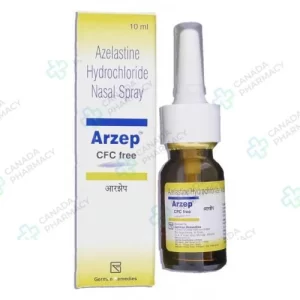
Astelin
Price range: $ 46,00 through $ 193,00
Active substance: Azelastine
More Details
This product has multiple variants. The options may be chosen on the product page
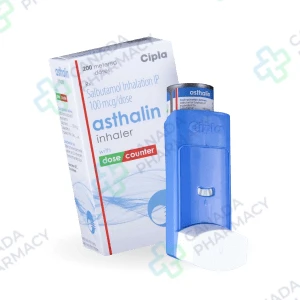
Asthalin Inhaler
Price range: $ 50,00 through $ 215,00
Active substance: Salbutamol
More Details
This product has multiple variants. The options may be chosen on the product page
Deltasone
Price range: $ 47,00 through $ 296,00
Active substance: Prednisone
More Details
This product has multiple variants. The options may be chosen on the product page
Entocort
Price range: $ 61,00 through $ 628,00
Active substance: Budesonide
More Details
This product has multiple variants. The options may be chosen on the product page
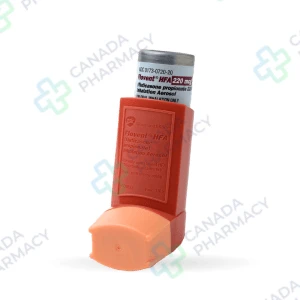
Flovent
Price range: $ 35,00 through $ 90,00
Active substance: fluticasone
More Details
This product has multiple variants. The options may be chosen on the product page
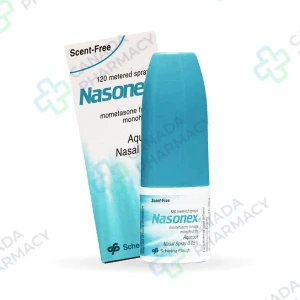
Nasonex nasal spray
Price range: $ 62,00 through $ 276,00
Active substance: Mometasone Furoate Monohydrate
More Details
This product has multiple variants. The options may be chosen on the product page

Prednisolone
Price range: $ 40,00 through $ 210,00
Active substance: prednisolone
More Details
This product has multiple variants. The options may be chosen on the product page