

-39%
Topamax
Price range: $ 39,00 through $ 584,00
Toradol
Price range: $ 53,00 through $ 153,00
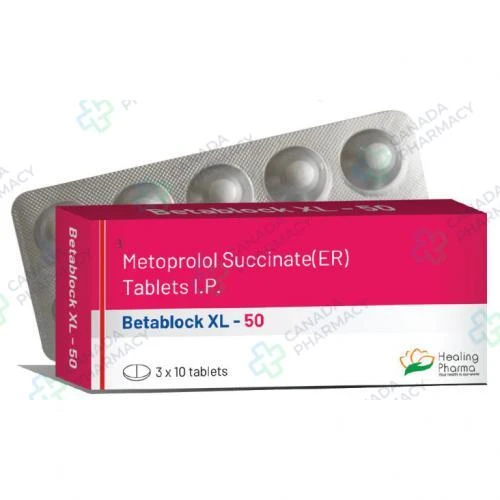
Toprol XL
Price range: $ 23,00 through $ 467,00
Toprol XL is an extended-release beta-blocker designed to manage various cardiovascular conditions effectively. This medication is primarily used to treat hypertension, helping to lower high blood pressure and reduce the risk of long-term complications. It is also highly effective in managing chronic angina pectoris by preventing the occurrence of chest pain. For individuals with stable symptomatic heart failure, Toprol XL works to decrease the heart’s workload and improve overall cardiac function. By regulating heart rate and blood flow, this treatment helps maintain a stable and healthy cardiovascular system.
Active substance: Metoprolol
Delivery: 5–21 days (depending on the shipping method)
Extra 10% discount with coupon: IT4K6SVM
Each dosage option has its own packaging choices.
Description
Toprol XL belongs to a class of medications known as beta-1 selective beta-adrenergic receptor blockers. Formulated as an extended-release tablet, it delivers metoprolol succinate continuously over a 24-hour period to regulate cardiovascular function. In clinical practice, it is primarily prescribed to manage chronic hypertension, chest pain from angina, and stable heart failure.
This medication is available by prescription only under United States federal regulations and must be taken under the supervision of a licensed healthcare provider. Routine clinical monitoring of blood pressure and heart rate is standard practice during treatment with this drug.
| Drug Name | Toprol XL |
| Active Ingredient (INN) | Metoprolol succinate |
| Therapeutic Class | Beta-1 selective beta-adrenergic blocker |
| Dosage Form | Extended-release oral tablet (25 mg, 50 mg, 100 mg, 200 mg) |
| Route of Administration | Oral |
| Primary Purpose | Management of hypertension, angina pectoris, and heart failure |
| Prescription Status | Prescription (Rx) only |
Pharmacology, Indications, and Administration
How the Drug Works
Toprol XL contains metoprolol succinate, a competitive antagonist at beta-1 adrenergic receptors located predominantly in cardiac muscle tissue. By selectively blocking these receptors from binding endogenous catecholamines like epinephrine and norepinephrine, metoprolol reduces heart rate, cardiac output, systolic blood pressure, and myocardial oxygen demand. At higher daily doses, beta-1 selectivity decreases, and the drug may partially inhibit beta-2 adrenergic receptors located in bronchial and vascular smooth muscle. The extended-release delivery system utilizes micro-encapsulated metoprolol succinate pellets that release active ingredient consistently, maintaining stable plasma drug levels over 24 hours.
Main Uses
The FDA has approved Toprol XL for three primary cardiovascular indications:
- Hypertension: Management of high blood pressure to lower elevated resting and exercise blood pressure, used alone or in combination with other antihypertensive agents.
- Angina Pectoris: Long-term management of angina pectoris to reduce the frequency of ischemic chest pain attacks and improve exercise tolerance.
- Heart Failure: Treatment of stable, symptomatic heart failure (NYHA Class II or III) of ischemic, hypertensive, or cardiomyopathic origin, administered alongside standard therapy (such as ACE inhibitors and diuretics) to lower cardiovascular mortality and decrease hospitalization rates.
Off-label notice: Physicians may occasionally prescribe metoprolol succinate off-label for clinical conditions such as migraine prophylaxis, supraventricular arrhythmias, or performance anxiety. These applications represent off-label uses that are not officially listed on the FDA-approved product label.
Dosing Schedule
Toprol XL extended-release tablets are prescribed for once-daily oral administration, swallowed whole with liquid. The tablets are scored and may be divided along the score line if directed by a healthcare provider; however, the tablets or halves must never be crushed, chewed, or dissolved, as doing so destroys the sustained-release matrix and risks rapid absorption of the active substance. Dosing is highly individualized. For hypertension, adult initial doses typically range from 25 to 100 mg once daily. For heart failure, therapy begins at lower dosages (12.5 to 25 mg once daily) and is titrated bi-weekly under strict medical supervision toward a target dose of 200 mg once daily as tolerated.
What Happens in the Body
After oral administration, metoprolol succinate is absorbed throughout the gastrointestinal tract. Systemic bioavailability is approximately 50% due to significant first-pass hepatic metabolism. Peak blood plasma concentrations occur within 6 to 12 hours after dosing with the extended-release formulation. Metoprolol undergoes extensive hepatic metabolism primarily via the cytochrome P450 enzyme CYP2D6. Individuals who are poor CYP2D6 metabolizers exhibit elevated plasma concentrations compared to extensive metabolizers. Although the elimination half-life of metoprolol ranges from 3 to 7 hours, the sustained-release pellet delivery system maintains therapeutic plasma concentrations over a full 24-hour interval. Excretion is primarily renal, with less than 10% excreted unchanged in urine.
Safety, Precautions, and Practical Management
What Not to Combine
Toprol XL exhibits significant pharmacological interaction potential with several medication categories:
- CYP2D6 Inhibitors: Drugs that inhibit the CYP2D6 pathway–such as fluoxetine, paroxetine, quinidine, and propafenone–can increase metoprolol plasma levels, elevating the risk of marked bradycardia and excessive beta-blockade.
- Calcium Channel Blockers: Concomitant administration with non-dihydropyridine calcium channel blockers (e.g., verapamil, diltiazem) can cause additive negative inotropic and chronotropic effects, increasing the risk of severe slow heart rate, heart block, or cardiac decompensation.
- Antiarrhythmics and Digitalis: Concurrent use with digitalis glycosides or antiarrhythmic agents (such as amiodarone) may prolong AV conduction time and exacerbate heart block.
- Catecholamine-Depleting Agents: Drugs like reserpine or monoamine oxidase inhibitors (MAOIs) taken concurrently with beta-blockers may produce additive hypotensive effects or severe bradycardia.
Adverse Reactions
Clinical data show that Toprol XL is generally tolerated, but adverse effects can manifest during therapy. Frequent mild-to-moderate reactions include fatigue, dizziness, lightheadedness, slow pulse (bradycardia), cold hands and feet due to reduced peripheral perfusion, depression, and shortness of breath (dyspnea). Severe adverse events require urgent clinical attention and include severe sinus bradycardia, second- or third-degree heart block, cardiogenic shock, worsening of heart failure symptoms, severe hypotension, and bronchospasm in susceptible individuals.
Important Precautions
Toprol XL carries an FDA Boxed Warning regarding the risk associated with abrupt discontinuation of therapy. Severe exacerbation of angina, myocardial infarction, and ventricular arrhythmias have been reported following sudden withdrawal of beta-blockers in patients with coronary artery disease. When discontinuing Toprol XL, the dosage must be gradually reduced over a period of 1 to 2 weeks under direct medical guidance.
Additional precautions apply to patients with peripheral vascular disease, diabetes mellitus (beta-blockers can mask autonomic warning signs of hypoglycemia such as tachycardia), thyroid disorders (masking signs of hyperthyroidism), and reactive airway disorders such as asthma or chronic obstructive pulmonary disease (COPD).
First Days of Treatment
When starting Toprol XL, patients often experience temporary tiredness, mild lightheadedness, or reduced heart rate as the circulatory system adjusts to lower blood pressure levels. These symptoms often diminish over the first few weeks of continuous administration. Patients should avoid standing up rapidly from sitting or lying positions during the initial phase of therapy to minimize the risk of postural dizziness.
If You Skip a Dose
If a dose of Toprol XL is missed, it should be taken as soon as remembered on that day. However, if it is nearly time for the next scheduled dose, the missed dose should be skipped entirely, resuming the regular once-daily schedule. Patients must never double up on tablets or take extra medication to compensate for a missed dose, as this can trigger marked bradycardia or sudden hypotension.
Practical Aspects of Daily Use
Toprol XL should be taken consistently every day, either always with food or always without food, because ingestion with meals slightly increases metoprolol bioavailability; maintaining consistency minimizes fluctuations in blood concentration. Regular monitoring and tracking of home blood pressure and pulse readings assist clinicians in determining dose adjustments. Tablets should be stored at controlled room temperature between 68°F and 77°F (20°C to 25°C), protected from moisture and excessive heat.
Special Populations
Pregnancy: Metoprolol crosses the placenta and can reduce fetal perfusion. Toprol XL should be used during pregnancy only if the potential therapeutic benefit justifies the prospective risk to the fetus.
Breastfeeding: Metoprolol is excreted in breast milk in small quantities. Lactating mothers should consult their prescriber to weigh the benefits against potential infant exposure.
Pediatric Use: Safety and effectiveness in pediatric patients under 6 years of age have not been established. For children aged 6 and older, dosing is calculated based on body weight.
Geriatric Use: Clinical trials have not demonstrated overall safety differences between elderly patients and younger adults, but conservative initial dosing is recommended due to a higher frequency of decreased hepatic, renal, or cardiac function in older populations.
Common Questions
Is it acceptable to cut Toprol XL tablets in half?
Toprol XL tablets are scored and can be divided into halves if instructed by a healthcare provider. However, the tablet halves must be swallowed whole without chewing, crushing, or grinding, to keep the extended-release pellet matrix intact.
What should be done if pulse rate drops below 50 beats per minute?
If a routine pulse check reveals a persistent resting heart rate below 50 beats per minute, or if low heart rate is accompanied by dizziness or confusion, contact the prescribing healthcare provider promptly. The clinician may evaluate whether a dose adjustment is necessary.
Can alcohol be consumed while taking Toprol XL?
Alcohol consumption can potentiate the blood pressure-lowering effect of metoprolol, increasing the likelihood of dizziness, lightheadedness, or fainting. Patients should consult their doctor regarding safe limits or avoidance of alcohol during treatment.
How does Toprol XL affect exercise performance?
Because beta-blockers reduce peak heart rate response to physical exertion, patients may notice reduced maximum exercise capacity or feel tired more quickly during vigorous activities. Discuss exercise expectations with a physician to establish safe physical activity levels.
Does Toprol XL interfere with diabetes management?
Metoprolol can mask early warning signs of low blood sugar (hypoglycemia), such as a rapid heartbeat or tremors, though sweating is typically not suppressed. Diabetic patients should monitor blood glucose levels regularly as recommended by their prescriber.
In accordance with FDA requirements.
This text is for informational purposes only and does not constitute individual medical advice.
Additional information
| Dosage |
12.5 mg ,25mg ,50mg ,100mg |
|---|---|
| Package |
30 pills ,60 pills ,90 pills ,120 pills ,180 pills ,270 pills ,360 pills |
| Ενεργός Ουσία |
Related products
Adalat
Price range: $ 41,00 through $ 267,00
Active substance: Nifedipine
More Details
This product has multiple variants. The options may be chosen on the product page
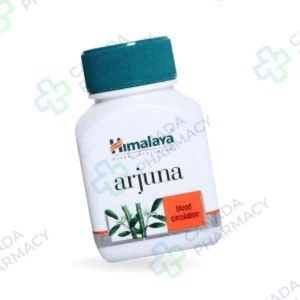
Arjuna
Price range: $ 63,00 through $ 72,00
Active substance: Arjuna (Terminalia arjuna) bark extract
More Details
This product has multiple variants. The options may be chosen on the product page
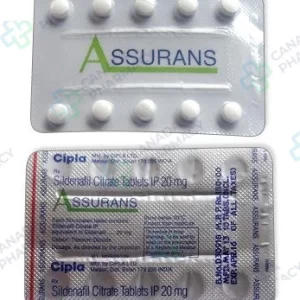
Assurans
Price range: $ 50,00 through $ 70,00
Active substance: Sildenafil Citrate
More Details
This product has multiple variants. The options may be chosen on the product page
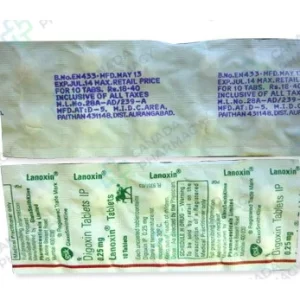
Digoxin
Price range: $ 48,00 through $ 152,00
Active substance: digoxin
More Details
This product has multiple variants. The options may be chosen on the product page
Dipyridamole
Price range: $ 43,00 through $ 257,00
Active substance: Dipyridamole
More Details
This product has multiple variants. The options may be chosen on the product page
Doxazosin
Price range: $ 42,00 through $ 332,00
Active substance: Doxazosin
More Details
This product has multiple variants. The options may be chosen on the product page

Ecosprin
Price range: $ 19,00 through $ 57,00
Active substance: aspirin
More Details
This product has multiple variants. The options may be chosen on the product page
Furosemide
Price range: $ 46,00 through $ 193,00
Active substance: furosemide
More Details
This product has multiple variants. The options may be chosen on the product page