

-42%
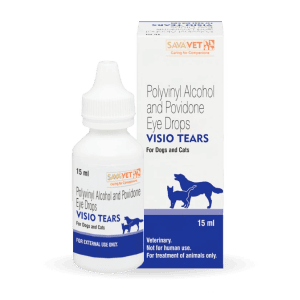
Visio Tears Eye Drops
Price range: $ 12,00 through $ 26,00
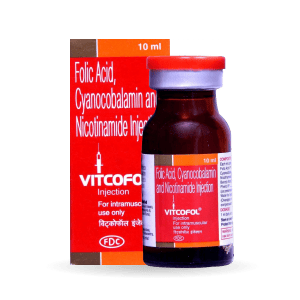
Vitcofol Injection
Price range: $ 16,00 through $ 39,00
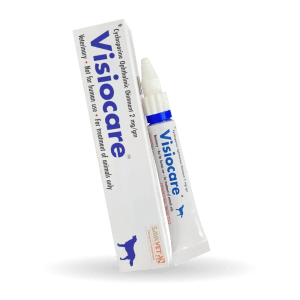
Visiocare Ointment
Price range: $ 27,00 through $ 94,00
Visiocare Ointment is a specialized ophthalmic medication designed to effectively manage chronic inflammatory eye conditions in dogs. This topical treatment is primarily used to address Keratoconjunctivitis sicca, commonly known as dry eye, by stimulating the natural production of tears. It is also highly effective in treating Chronic Superficial Keratitis, helping to reduce corneal inflammation and improve clarity. The active ingredient works to restore the moisture balance of the ocular surface, protecting the eyes from discomfort and potential long-term damage. The smooth ointment formulation ensures easy application and provides lasting relief for pets suffering from persistent ocular dryness.
Delivery: 5–21 days (depending on the shipping method)
Extra 10% discount with coupon: IT4K6SVM
Each dosage option has its own packaging choices.
Description
Visiocare Ointment belongs to a class of topical immunomodulatory ophthalmic agents containing cyclosporine as its active therapeutic component. It is indicated primarily for the clinical management of chronic keratoconjunctivitis sicca and inflammatory ocular surface disorders requiring local immunosuppression. Dispensed in accordance with applicable federal and state prescription regulations, its administration requires precise diagnostic evaluation and ongoing clinical monitoring.
The formulation is supplied as a sterile ophthalmic ointment intended solely for topical application to the affected ocular structures. Proper administration techniques must be maintained to avoid microbial contamination of the container and to ensure consistent therapeutic efficacy over extended treatment periods.
| Parameter | Specification |
|---|---|
| Active Ingredient | Cyclosporine (0.2%) |
| Dosage Form | Sterile ophthalmic ointment |
| Route of Administration | Ophthalmic (topical) |
| Primary Purpose | Management of keratoconjunctivitis sicca (dry eye) and ocular surface inflammation |
| Prescription Status | Prescription (Rx) medication |
| Storage Requirements | Store between 59°F and 77°F (15°C to 25°C) |
Pharmacological Profile and Clinical Application
Main Uses and Mechanism of Action
Main uses: Visiocare Ointment is indicated for the management of chronic keratoconjunctivitis sicca (KCS) and chronic superficial keratitis (pannus). Keratoconjunctivitis sicca is an autoimmune-mediated condition characterized by progressive immune destruction of lacrimal gland tissue, resulting in severe deficiency of the aqueous tear film, corneal vascularization, epithelial pigmentation, and potential corneal ulceration. Chronic superficial keratitis involves chronic inflammatory lymphocytic infiltration of the cornea. Visiocare Ointment is prescribed to suppress local inflammatory responses, promote physiological lacrimal secretion, preserve corneal integrity, and prevent long-term tissue degradation of the anterior ocular segment. Any off-label application for unapproved ocular conditions must be explicitly determined and monitored by a licensed prescriber.
How the drug works: The active pharmacological agent in Visiocare Ointment is cyclosporine, a non-steroidal immunomodulatory compound. The mechanism of action is mediated through the selective inhibition of T-helper lymphocytes. Cyclosporine intracellularly binds to specific immunophilin proteins (cyclophilin), forming a complex that inhibits calcineurin–a key phosphatase required for the nuclear translocation of transcription factors involved in interleukin-2 (IL-2) gene expression. By suppressing IL-2 transcription, the drug blocks T-lymphocyte activation and proliferation within lacrimal and conjunctival tissues. Additionally, local application reduces immune-mediated destruction of lacrimal acinar epithelial cells, enhancing endogenous tear production and restoring tear film stability.
Dosing Schedule and Pharmacokinetics
Dosing schedule: Administration of Visiocare Ointment must strictly conform to the dosing schedule established by the prescribing clinician. The standard initial therapeutic regimen generally involves the topical application of approximately a 1/4-inch (6 mm) strip of ointment directly into the affected eye or conjunctival sac every 12 hours. Prior to application, excessive crusting or discharge should be gently cleansed from the periocular area using an appropriate non-irritating physiological solution. The tip of the ointment tube must not come into contact with ocular surfaces, eyelids, or surrounding skin to prevent contamination of the product. Duration of therapy is typically continuous and long-term for chronic autoimmune pathologies.
What happens in the body: Following topical application of Visiocare Ointment to the ocular surface, localized distribution occurs rapidly within corneal, conjunctival, and lacrimal tissues. Systemic absorption of cyclosporine following ophthalmic administration at recommended clinical dosages is minimal. Pharmacokinetic evaluations indicate that circulating blood concentrations of the active substance generally remain below quantifiable detection limits. Consequently, systemic clearance pathways, hepatic metabolism via the cytochrome P450 3A isoenzyme system, and renal excretion do not play a significant role during standard topical administration unless corneal integrity is severely compromised or accidental systemic ingestion occurs. The therapeutic concentration remains confined to target anterior ocular structures.
Safety Profile, Administration Guidelines, and FAQ
Precautions, Adverse Reactions, and Interactions
Important precautions: Visiocare Ointment is contraindicated in patients with known hypersensitivity to cyclosporine or any petroleum-based excipients within the ointment base. It must not be administered in the presence of active fungal or viral ocular infections, as local immunomodulation can suppress host defense mechanisms and aggravate active infectious processes. Safety and performance parameters in pregnant, lactating, or pediatric populations have not been established in definitive controlled studies; use in these groups requires a comprehensive risk-benefit assessment by a qualified clinician. Periodic ophthalmic evaluation, including Schirmer tear tests and corneal staining, is recommended throughout long-term administration.
Adverse reactions: Clinical application of Visiocare Ointment may give rise to localized adverse reactions of varying intensity. Transient ocular irritation, mild conjunctival hyperemia (redness), blepharospasm (squinting), and epiphora (excessive tearing) are frequently observed during the initial days of therapy as the ocular surface adjusts to the formulation. Less frequent adverse events include localized periocular alopecia, mild inflammation of the eyelid margins (blepharitis), and local edema. If severe burning, persistent conjunctival erythema, or purulent ocular discharge develops, clinical re-evaluation is necessary. Systemic side effects remain extremely rare due to low systemic exposure.
Compatibility with other medicines: Concomitant administration of Visiocare Ointment with other topical ophthalmic preparations requires careful temporal staggering to prevent dilution or altered absorption of the active ingredient. When multiple topical ocular agents are prescribed, an interval of at least 10 to 15 minutes should separate applications. Ophthalmic ointments are typically administered last, as their lipophilic base creates a physical barrier that can impede the penetration of aqueous eye drops. Systemic interactions with oral immunomodulatory agents, systemic corticosteroids, or CYP3A inhibitors are clinically negligible under standard topical dosing conditions.
Red flags: Immediate clinical evaluation is required if signs of acute ocular deterioration manifest. Red-flag symptoms include sudden onset of severe ocular pain, rapid progression of corneal opacity or ulceration, heavy purulent discharge, marked swelling of the periocular structures, or sudden decrease in visual function. These manifestations may indicate secondary bacterial infection, corneal perforation, or acute ocular toxicity requiring emergency medical management.
If you skip a dose: If a scheduled application of Visiocare Ointment is missed, apply the prescribed quantity as soon as remembered. However, if the time approaches the next scheduled application, skip the missed dose and resume the established 12-hour dosing interval. Double quantities or increased application frequency must not be used to compensate for missed doses, as this increases the likelihood of localized ocular irritation without enhancing therapeutic efficacy.
Storage and expiration: Visiocare Ointment should be stored at controlled room temperature between 59°F and 77°F (15°C to 25°C). The tube must remain tightly closed when not in use to protect the ointment from environmental contamination and moisture. Avoid exposure to excessive heat, freezing temperatures, and direct sunlight. Do not use the ointment beyond the expiration date stamped on the tube crimp or outer packaging.
Practical tips: Proper hygiene is essential during daily administration. Hands should be washed thoroughly before handling the tube. Gently retract the lower eyelid to create a small conjunctival pouch and instill the prescribed strip of ointment without touching the applicator tip to any surface. Allow the eye to close gently to distribute the medication evenly across the cornea. Wipe the container tip with a clean tissue prior to recapping.
Common Questions
How long does it take for Visiocare Ointment to show therapeutic improvement?
Therapeutic response to Visiocare Ointment typically becomes measurable within 2 to 6 weeks of continuous, twice-daily administration. Objective improvement in tear production, as quantified by Schirmer tear test values, occurs gradually as autoimmune inflammation within the lacrimal tissue subsides. Clinical monitoring by a healthcare provider is essential during the initial treatment phase to evaluate response.
Can Visiocare Ointment be used concurrently with artificial tears?
Artificial tears or tear-replacing lubricants are frequently used alongside Visiocare Ointment to provide immediate surface lubrication while endogenous tear production is being restored. However, aqueous drops must be applied at least 10 to 15 minutes prior to applying the ointment to prevent washing away the active cyclosporine matrix.
Is temporary squinting or eye redness normal after application?
Mild, transient squinting, tearing, or slight redness may occur immediately following application due to the physical presence of the petrolatum ointment base on the cornea. This sensation generally subsides within several minutes. Persistent or worsening discomfort warrants professional clinical evaluation.
What action is required if corneal ulceration is suspected during therapy?
If corneal ulceration is suspected, administration of Visiocare Ointment should be suspended immediately and diagnostic fluorescein staining performed by a clinician. Local immunosuppression can impede corneal stromal healing and exacerbate ulcerative keratitis if active infection or mechanical erosion is present.
Can therapy with Visiocare Ointment be discontinued once symptoms subside?
Abrupt cessation of Visiocare Ointment is generally not recommended in chronic autoimmune conditions such as keratoconjunctivitis sicca. Because underlying immune-mediated lacrimal inflammation tends to recur, stopping treatment often leads to a relapse of tear deficiency and corneal inflammation. Any modification to treatment duration must be authorized by a prescriber.
In accordance with FDA requirements.
This content is informational and does not replace a consultation with your doctor or pharmacist.
Additional information
| Dosage |
3.5 g |
|---|---|
| Package |
1 tubes ,2 tubes ,3 tubes ,4 tubes ,5 tubes ,6 tubes |
| Active Ingredient |
Cyclosporine |
Related products
Cipcal
Price range: $ 117,00 through $ 216,00
More Details
This product has multiple variants. The options may be chosen on the product page

Folitas
Price range: $ 60,00 through $ 147,00
More Details
This product has multiple variants. The options may be chosen on the product page
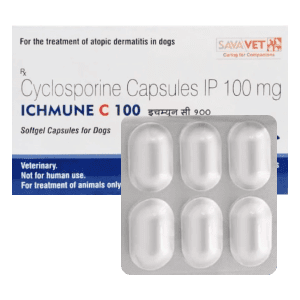
Ichmune C
Price range: $ 112,00 through $ 1 071,00
More Details
This product has multiple variants. The options may be chosen on the product page
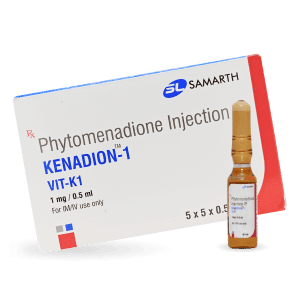
Kenadion Injection
Price range: $ 70,00 through $ 240,00
More Details
This product has multiple variants. The options may be chosen on the product page
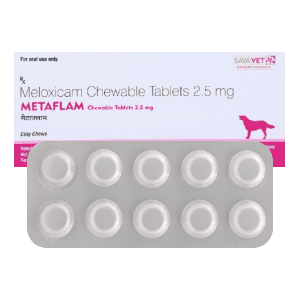
Metaflam Easy Chews
Price range: $ 70,00 through $ 390,00
More Details
This product has multiple variants. The options may be chosen on the product page
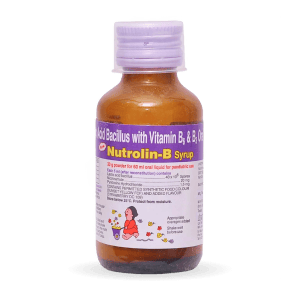
Nutrolin-B Syrup
Price range: $ 19,00 through $ 45,00
More Details
This product has multiple variants. The options may be chosen on the product page
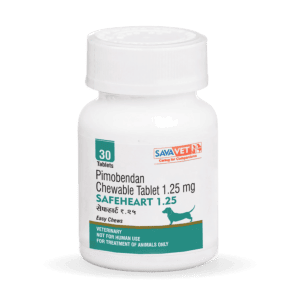
Safeheart Soft
Price range: $ 44,00 through $ 114,00
More Details
This product has multiple variants. The options may be chosen on the product page
Shelcal
Price range: $ 209,00 through $ 328,00
More Details
This product has multiple variants. The options may be chosen on the product page