

-19%
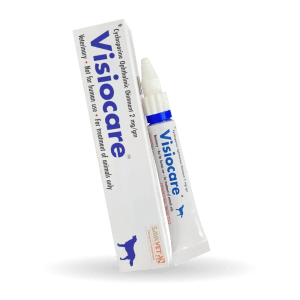
Visiocare Ointment
Price range: $ 27,00 through $ 94,00

Zinconia
Price range: $ 46,00 through $ 128,00
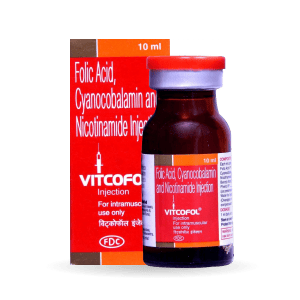
Vitcofol Injection
Price range: $ 16,00 through $ 39,00
Vitcofol Injection is a specialized nutritional supplement formulated to treat and prevent essential vitamin deficiencies. It features a potent combination of Vitamin B12, Folic Acid, and Nicotinamide to support the body’s vital metabolic functions. This injectable solution is highly effective in managing megaloblastic anemia by promoting the healthy production of red blood cells. In addition to blood health, the formula plays a crucial role in maintaining the integrity of the nervous system and improving energy levels. By restoring balanced nutrient levels, Vitcofol Injection helps sustain overall physical health and long-term vitality.
Delivery: 5–21 days (depending on the shipping method)
Extra 10% discount with coupon: IT4K6SVM
Each dosage option has its own packaging choices.
Description
Vitcofol Injection belongs to the class of parenteral vitamin supplements containing essential B-complex vitamins, primarily cyanocobalamin (Vitamin B12), folic acid (Vitamin B9), and nicotinamide (Vitamin B3). It is indicated for clinical situations where oral vitamin supplementation is ineffective, inadequate, or contraindicated due to gastrointestinal malabsorption syndromes.
This medication is dispensed in accordance with applicable federal and state regulations. Complete clinical evaluation and diagnostic laboratory testing are necessary to establish the underlying etiology of nutritional or hematologic deficiency before initiating parenteral therapy.
| Parameter | Specification |
|---|---|
| Drug Name | Vitcofol Injection |
| Active Ingredients | Cyanocobalamin, Folic Acid, Nicotinamide |
| Therapeutic Class | Parenteral Vitamin B-Complex Combination |
| Dosage Form | Solution for injection |
| Route of Administration | Intramuscular injection |
| Prescription Status | Dispensed in accordance with applicable federal and state regulations |
| Primary Purpose | Treatment of vitamin B12 and folate deficiency states |
Clinical Overview and Pharmacokinetic Properties
Main uses
Vitcofol Injection is primarily indicated for the treatment of megaloblastic anemia secondary to vitamin B12 or folic acid deficiency. It is utilized in clinical settings where oral absorption is compromised, such as post-gastrectomy state, tropical sprue, celiac disease, surgical resection of the terminal ileum, or severe malabsorption syndrome. Additionally, it may be prescribed for peripheral neuropathies linked to complex metabolic B-vitamin nutritional deficits. Any application outside established clinical guidelines for nutritional replacement is considered an off-label use and requires individualized physician assessment.
How the drug works
The therapeutic action relies on the synergistic metabolic functions of its core active components. Cyanocobalamin acts as a necessary cofactor for methionine synthase and L-methylmalonyl-CoA mutase, which are crucial for nucleic acid synthesis, red blood cell maturation, and myelin sheath maintenance within the central and peripheral nervous systems. Folic acid is intracellularly converted into tetrahydrofolate, serving as a donor of one-carbon units for purine and thymidylate synthesis, essential for erythropoiesis. Nicotinamide acts as a component of the coenzymes NAD and NADP, which participate in cellular electron transfer and oxidative respiration reactions.
How it’s absorbed and eliminated
Intramuscular administration provides full systemic bioavailability of the active ingredients, completely bypassing gastrointestinal transport limitations. Upon entry into the bloodstream, cyanocobalamin binds extensively to specific plasma transport proteins known as transcobalamins. It distributes primarily to hepatic tissue, which serves as the primary storage site for body cobalamin reserves. Hepatic stores are released gradually into systemic circulation; excess unbound cyanocobalamin is cleared through glomerular filtration and excreted unchanged in the urine. Folic acid undergoes hepatic metabolism into active reduced forms and is excreted via renal pathways, with minimal biliary elimination. Nicotinamide is rapidly distributed into body tissues and metabolized by the liver into N-methylnicotinamide prior to urinary excretion.
Dosing schedule
The dosage regimen and duration of therapy are determined individually by a qualified healthcare professional. Dosing depends on the severity of the clinical deficiency, baseline hematologic parameters, serum B12 and folate concentrations, and patient response. Administration is typically performed via deep intramuscular injection by trained medical personnel. Routine monitoring of reticulocyte counts, hemoglobin levels, and plasma electrolyte balances is required to guide dosage titrations and frequency adjustments over the course of treatment.
Safety Profile, Interactions, and Precautions
Adverse reactions
Adverse reactions associated with parenteral administration may include local site reactions such as transient pain, erythema, induration, or mild swelling at the injection area. Systemic symptoms reported in clinical literature include mild transient diarrhea, generalized pruritus, skin eruption, vascular flushing, or a temporary feeling of body warmth. Severe hypersensitivity events, including anaphylactic responses or bronchospasm, are rare but represent documented clinical risks associated with parenteral vitamin administration.
Compatibility with other medicines
Concomitant administration of chloramphenicol may attenuate or delay the hematologic response to cyanocobalamin in patients with B12 deficiency. Anticonvulsant agents, such as phenytoin or phenobarbital, may lower baseline serum folate levels and necessitate adjustment of supplementation strategies. Folate antagonists, including methotrexate, trimethoprim, and pyrimethamine, block dihydrofolate reductase and impair the therapeutic efficacy of administered folic acid. Co-administration of high-dose vitamin C may alter cobalamin stability; clinical separation of dosing may be warranted.
What to avoid while taking it
Chronic or excessive alcohol ingestion impairs intestinal absorption mechanisms and hepatic storage capacities for B-complex vitamins, potentially counteracting the therapeutic benefits of therapy. Patients undergoing treatment should limit alcohol intake to ensure optimal metabolic utilization. While direct dietary interactions are minimal due to parenteral administration, maintaining a balanced diet under clinical oversight is recommended.
Red flags
Immediate emergency medical evaluation is necessary if signs of a severe systemic allergic reaction occur following administration. Key warning signs include acute facial, lip, pharyngeal, or lingual edema, severe urticaria, sudden dyspnea, hypotension, or chest tightness. Additionally, rapid resolution of severe megaloblastic anemia can induce sudden intracellular potassium shifts, leading to hypokalemia; unexpected muscle weakness or cardiac dysrhythmias require urgent medical intervention.
If you skip a dose
If a scheduled injection appointment is missed, contact the managing clinical provider or healthcare facility promptly to reschedule. Do not request or administer a double dose to compensate for a skipped injection, as dosing schedules must remain controlled based on monitored biological response.
Storage and expiration
Store the medication at controlled room temperature between 20°C to 25°C (68°F to 77°F). Protect the solution from direct light exposure and store inside the outer carton until preparation. Do not freeze. Inspect the solution visually for particulate matter or discoloration prior to administration; discard if the container is damaged or if foreign particles are visible. Keep out of reach of children. Do not use past the expiration date stated on the vial label.
Important precautions
Caution is warranted in individuals with a history of hypersensitivity to cobalamin, cobalt, or any formulation excipients. Administration of folic acid alone without adequate cyanocobalamin in patients with unrecognized Vitamin B12 deficiency may correct hematologic parameters while allowing irreversible neurological degeneration to progress. Patients presenting with Leber’s hereditary optic neuropathy should exercise extreme caution, as cyanocobalamin administration has been associated with rapid optic nerve atrophy. Use during pregnancy or lactation should be conducted under strict medical supervision when therapeutic benefits outweigh potential risks.
Common questions
How rapidly does Vitcofol Injection produce therapeutic physiological effects?
Reticulocyte response typically begins within 48 to 72 hours following the initiation of effective parenteral therapy, signaling active bone marrow regeneration. Full hematologic recovery, including normalization of red blood cell counts and hemoglobin concentration, generally requires several weeks of consistent treatment. Neurological improvements associated with cobalamin correction progress more slowly and depend on the baseline duration and severity of nerve involvement.
Is routine blood testing necessary while receiving Vitcofol Injection?
Yes, periodic laboratory evaluation is essential to assess treatment efficacy and ensure patient safety. Standard monitoring includes complete blood counts, reticulocyte numbers, baseline serum potassium levels during initial therapy, and periodic serum B12 and folate concentrations. Laboratory values allow clinicians to optimize dosage schedules and confirm complete resolution of deficiencies.
Can Vitcofol Injection be administered orally if parenteral route is inconvenient?
No, Vitcofol Injection is specifically formulated for parenteral (intramuscular) administration and is not designed for oral ingestion. The injectable formulation bypasses the gastrointestinal tract, which is critical for patients who lack intrinsic factor or suffer from mucosal malabsorption. Swallowing the injection solution impairs bioavailability and voids the intended therapeutic outcome.
What precautions should be observed regarding hypokalemia during initial therapy?
During the rapid initial phase of hematopoiesis driven by B12 and folate replacement, heavy utilization of potassium by newly forming erythrocytes can cause a swift shift of extracellular potassium into cells. This movement carries a potential risk of hypokalemia and cardiac arrhythmias in severe anemia cases. Healthcare providers monitor serum potassium levels closely during early administration cycles to prevent or correct electrolyte imbalances.
In accordance with FDA requirements.
This text is for informational purposes only and does not constitute individual medical advice.
Additional information
| Dosage |
15 mg + 500 mcg + 200 mg 10 ml |
|---|---|
| Package |
1 flacons ,2 flacons ,3 flacons |
| Active Ingredient |
Folic acid, Cyanocobalamin, Nicotinamide |
Related products
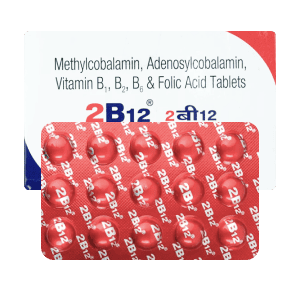
2B12
Price range: $ 38,00 through $ 72,00
More Details
This product has multiple variants. The options may be chosen on the product page
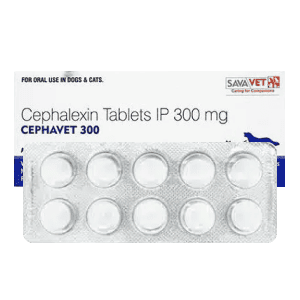
Cephavet
Price range: $ 69,00 through $ 317,00
More Details
This product has multiple variants. The options may be chosen on the product page
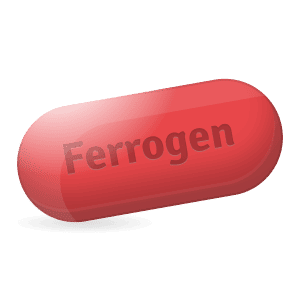
Ferrogen xt
Price range: $ 20,00 through $ 42,00
More Details
This product has multiple variants. The options may be chosen on the product page
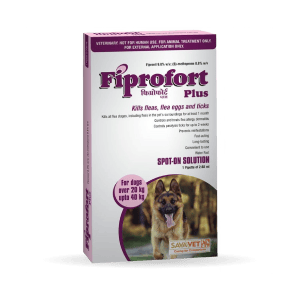
Fiprofort Plus Spot-On
Price range: $ 11,00 through $ 39,00
More Details
This product has multiple variants. The options may be chosen on the product page
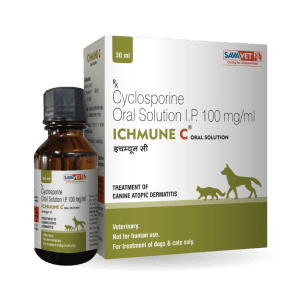
Ichmune C Oral Solution
$ 150,00
More Details
This product has multiple variants. The options may be chosen on the product page
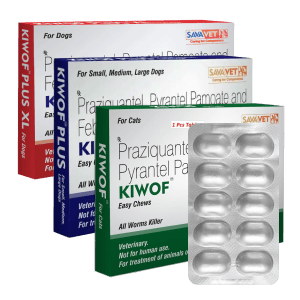
Kiwof Plus Easy Chews
Price range: $ 37,00 through $ 94,00
More Details
This product has multiple variants. The options may be chosen on the product page
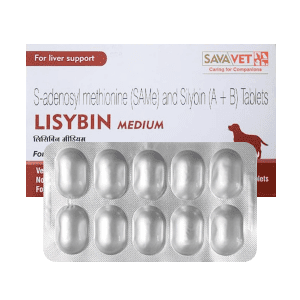
Lisybin Medium
Price range: $ 70,00 through $ 350,00
More Details
This product has multiple variants. The options may be chosen on the product page
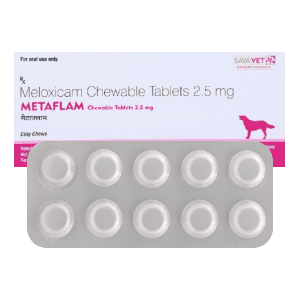
Metaflam Easy Chews
Price range: $ 70,00 through $ 390,00
More Details
This product has multiple variants. The options may be chosen on the product page