-30%
Vitcofol Injection
Price range: $ 16,00 through $ 39,00
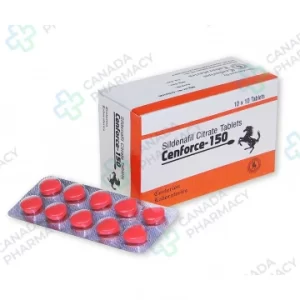
Red Viagra
Price range: $ 45,00 through $ 322,00
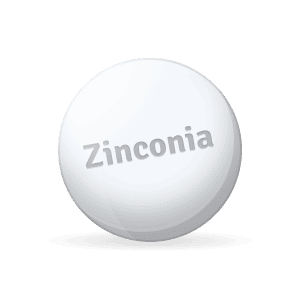
Zinconia
Price range: $ 46,00 through $ 128,00
Zinconia is a high-quality nutritional supplement designed to provide the body with essential zinc. This mineral plays a crucial role in strengthening the immune system, helping your body maintain its natural defenses. Regular intake of zinc supports healthy cellular metabolism and aids in the proper functioning of numerous enzymes. It is also highly effective for promoting skin health and accelerating the body’s natural wound-healing processes. These tablets offer a convenient way to prevent and treat zinc deficiency, ensuring your overall well-being.
Delivery: 5–21 days (depending on the shipping method)
Extra 10% discount with coupon: IT4K6SVM
Each dosage option has its own packaging choices.
Description
Zinconia belongs to the class of essential mineral supplements formulated to supply elemental zinc to the human body. It is primarily indicated for the prevention and clinical management of zinc deficiency, which plays a vital role in cellular metabolism, tissue repair, and immune function.
Zinc serves as an essential trace element required for the catalytic activity of more than 300 enzymes involved in nucleic acid synthesis, protein digestion, and cell division. In the United States, dietary supplements and mineral preparations containing zinc are distributed over-the-counter in accordance with federal standards for nutritional support.
| Parameter | Details |
|---|---|
| Drug Name | Zinconia |
| Active Ingredient (INN) | Zinc Sulfate |
| Therapeutic Class | Essential Trace Mineral / Nutritional Supplement |
| Dosage Form | Oral tablet / Dispersible tablet |
| Route of Administration | Oral |
| Primary Purpose | Management and prevention of zinc deficiency |
Main uses
Zinc is an indispensable microelement involved in numerous physiological processes. Zinconia is indicated primarily for the prophylaxis and treatment of zinc deficiency syndromes. Zinc depletion can result from inadequate dietary intake, malabsorption disorders such as Crohn’s disease, ulcerative colitis, or celiac disease, chronic renal or liver conditions, persistent diarrhea, or prolonged parenteral nutrition.
Additionally, supplemental zinc is utilized as an oral therapeutic adjunct in managing pediatric acute diarrhea to help restore mucosal barrier integrity and decrease disease duration. Elemental zinc also supports cutaneous wound repair, maintenance of skin integrity, and optimal immunological responsiveness. When prescribed or recommended by a healthcare professional, it assists in normalizing plasma zinc concentrations in patients exhibiting clinical hypozincemia.
How the drug works
The physiological mechanism of Zinconia relies on the release of ionic zinc (Zn2+) upon dissolution within the gastrointestinal tract. Ionic zinc acts as an essential cofactor for major enzyme families, including carbonic anhydrase, alkaline phosphatase, RNA polymerase, and superoxide dismutase. These metalloenzymes are fundamental to DNA replication, cellular division, protein synthesis, and free-radical scavenging.
Furthermore, zinc stabilizes cellular membranes and structural proteins, preserves mucosal integrity in the intestinal epithelium, and modulates T-lymphocyte maturation and function. By maintaining cellular turnover and immune signaling pathways, zinc supplementation corrects systemic functional impairments associated with micronutrient depletion.
How it’s absorbed and eliminated
Following oral administration of Zinconia, absorption occurs predominantly in the duodenum and jejunum via active carrier-mediated transport processes. Fractional zinc absorption typically ranges between 20% and 40%, depending on baseline nutritional status and dietary phytate concentration. Endogenous homeostatic mechanisms tightly regulate systemic zinc levels.
Excess systemic zinc is excreted primarily via the gastrointestinal tract in feces through biliary and pancreatic secretions. A minor fraction is excreted through renal filtration in urine, as well as via integumentary losses such as skin desquamation and sweat. Peak plasma concentrations of ionic zinc are generally achieved within 2 to 4 hours post-ingestion.
Dosing schedule
Zinconia should be administered orally in strict accordance with healthcare provider guidance or standard product packaging instructions. Tablets are typically ingested once daily with a full glass of water. To minimize potential gastrointestinal discomfort, such as nausea or epigastric distress, taking the dose with meals or immediately following food is often advised, provided high-phytate foods are avoided.
For dispersible tablet formulations, the tablet should be dissolved completely in a small volume of purified water or oral rehydration solution immediately before administration. The exact therapeutic dosage depends on patient age, baseline zinc deficiency severity, and specific medical indications. Users should refrain from exceeding recommended daily nutritional intake limits without direct clinical supervision.
Compatibility with other medicines
Coadministration of Zinconia with certain pharmacological agents can alter bioavailability or systemic absorption of either substance. Chelating agents such as penicillamine or trientine bind zinc ions, reducing systemic uptake. Tetracycline and fluoroquinolone antibiotics (e.g., ciprofloxacin, doxycycline) form insoluble chelate complexes with zinc in the digestive tract, significantly decreasing antibiotic bioavailability; administration should be separated by at least 2 to 3 hours.
Similarly, high-dose iron, calcium, or copper supplements may compete for shared intestinal transport proteins, thereby suppressing zinc absorption. Thiazide diuretics increase urinary elimination of zinc, which may necessitate monitoring of systemic trace mineral status during chronic co-therapy.
Adverse reactions
While Zinconia is generally well tolerated when taken within standard dietary recommendations, adverse gastrointestinal effects may occur. Common side effects include mild epigastric distress, nausea, abdominal cramps, dyspepsia, vomiting, and diarrhea. Taking the supplement on an empty stomach increases the likelihood of gastric mucosal irritation.
Prolonged consumption of high zinc doses can lead to secondary copper deficiency, microcytic anemia, and neutropenia due to competitive inhibition of intestinal copper absorption via metallothionein induction. Hypersensitivity reactions are rare but may manifest as cutaneous rash or pruritus. Patients experiencing persistent abdominal pain, severe emesis, or signs of copper depletion should discontinue use and consult a physician.
Before you take it
Prior to initiating Zinconia, individuals should evaluate underlying health conditions and potential contraindications. Caution is advised for individuals with preexisting renal impairment, as decreased excretion pathways may alter systemic trace mineral balance. Long-term supplementation at elevated doses requires monitoring of serum copper and hematological parameters to prevent copper-deficiency anemia.
Patients with active peptic ulcer disease should exercise caution due to potential direct mucosal irritation from ionic zinc salts. Zinconia is contraindicated in individuals with known hypersensitivity to zinc sulfate or any inactive component of the formulation. Always discuss existing medical conditions and concurrent therapies with a licensed clinician prior to initiating supplementation.
What to avoid while taking it
Dietary factors significantly influence the intestinal absorption of Zinconia. Foods high in phytates–such as whole grains, legumes, cereals, and unrefined nuts–bind zinc ions in the intestinal lumen, forming insoluble complexes that inhibit bioavailability. High-fiber diets and large quantities of dairy products containing calcium or casein can similarly reduce zinc absorption.
It is preferable to space the consumption of phytate-rich meals at least 2 hours apart from zinc intake. While moderate alcohol ingestion does not directly impair zinc breakdown, chronic heavy alcohol consumption severely impairs intestinal zinc absorption and accelerates urinary zinc excretion.
If you skip a dose
If a scheduled dose of Zinconia is missed, take it as soon as remembered on the same day, preferably with a meal to prevent stomach upset. However, if it is nearly time for the next scheduled dose, skip the missed dose entirely and resume the regular dosing schedule. Do not double the dose or take extra tablets to compensate for a missed administration, as elevated acute doses increase the risk of gastric irritation, nausea, and abdominal cramping.
Special populations
Zinc requirements vary across physiological stages. During pregnancy and lactation, recommended dietary allowances for zinc increase to support fetal neurodevelopment and milk production; however, intake should remain within established upper safety limits under medical supervision. In pediatric populations, zinc supplementation is routinely utilized under clinical protocols for acute diarrhea or growth retardation, with dosage strictly adjusted according to body weight. Geriatric individuals may have reduced intestinal absorption efficiency or concurrent chronic diseases, necessitating periodic evaluation of zinc and copper levels during extended therapy.
Storage and expiration
Zinconia should be stored in a cool, dry place at controlled room temperature, ideally between 68°F and 77°F (20°C to 25°C), away from direct sunlight, excess heat, and ambient moisture. Keep the container tightly sealed in its original packaging to protect the tablets from environmental humidity. Do not store this product in bathrooms or near kitchen sinks. Keep out of reach of children and pets. Discard any medication that has passed its printed expiration date or shows signs of physical degradation.
Common questions
Can Zinconia be taken on an empty stomach?
Taking Zinconia on an empty stomach can cause gastrointestinal irritation, including nausea, dyspepsia, and mild epigastric pain. Administering the tablet with or immediately after a light meal typically mitigates gastric discomfort while allowing adequate systemic absorption.
How long does it take to observe clinical improvement in zinc deficiency?
Biochemical elevation of plasma zinc levels occurs within several days of initiating therapeutic supplementation. However, physiological resolution of deficiency symptoms, such as wound healing support or mucosal tissue restoration, generally requires several weeks of consistent daily administration as directed by a clinician.
Does Zinconia interact with daily multivitamin supplements?
Many multivitamin preparations already contain elemental zinc, as well as competing minerals like iron and calcium. Combining high-dose Zinconia with comprehensive multivitamin supplements may exceed upper tolerable intake levels or impair trace element absorption. Consult a healthcare provider to evaluate total daily mineral intake.
What are the risks associated with long-term high-dose zinc supplementation?
Chronic ingestion of zinc in doses significantly above daily requirements can induce intestinal metallothionein, which selectively binds dietary copper and prevents its absorption. This can result in systemic copper deficiency, sideroblastic anemia, neutropenia, and impaired immune function.
Can Zinconia be taken alongside oral antibiotics like doxycycline or ciprofloxacin?
Zinc ions chelate with tetracyclines (such as doxycycline) and fluoroquinolones (such as ciprofloxacin) in the digestive tract, impairing antibiotic bioavailability. To avoid decreased antibacterial efficacy, take the antibiotic at least 2 hours before or 4 to 6 hours after Zinconia administration.
This text is for informational purposes only and does not constitute individual medical advice. In accordance with FDA requirements.
Additional information
| Dosage |
50 mg |
|---|---|
| Package |
50 tabs ,100 tabs ,200 tabs |
| Active Ingredient |
Zinc Acetate |
Related products
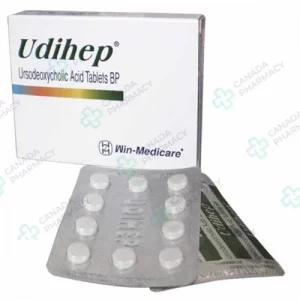
Actigall
Price range: $ 60,00 through $ 521,00
Active substance: Ursodiol
More Details
This product has multiple variants. The options may be chosen on the product page
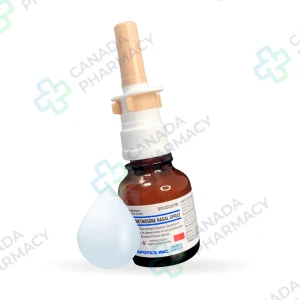
Beclamethasone
Price range: $ 60,00 through $ 205,00
Active substance: Beclomethasone Dipropionate
More Details
This product has multiple variants. The options may be chosen on the product page
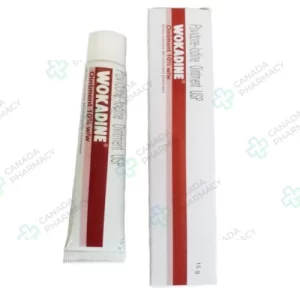
Betadine
Price range: $ 7,00 through $ 12,00
Active substance: Povidone Iodine
More Details
This product has multiple variants. The options may be chosen on the product page
Didronel
Price range: $ 57,00 through $ 136,00
Active substance: Etidronate
More Details
This product has multiple variants. The options may be chosen on the product page
Ethionamide
Price range: $ 49,00 through $ 172,00
Active substance: Ethionamide
More Details
This product has multiple variants. The options may be chosen on the product page
LDN
Price range: $ 81,00 through $ 266,00
Active substance: Naltrexone
More Details
This product has multiple variants. The options may be chosen on the product page