

-50%
Ranitidine
Price range: $ 45,00 through $ 136,00
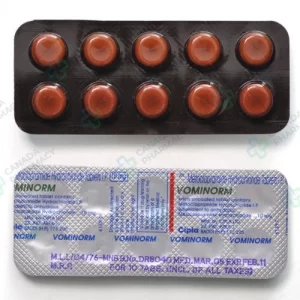
Reglan
Price range: $ 41,00 through $ 132,00
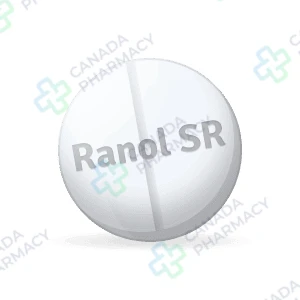
Ranol SR
Price range: $ 44,00 through $ 132,00
Ranol SR is a specialized medication formulated to manage chronic angina pectoris in adult patients. These sustained-release tablets work by improving the heart’s efficiency and reducing the frequency of chest pain episodes. Regular use of this treatment helps enhance overall exercise tolerance and physical endurance during daily activities. The advanced formula ensures a consistent release of the active ingredient to provide stable cardiovascular support throughout the day. It serves as an effective therapeutic option for maintaining a better quality of life while managing long-term heart-related discomfort.
Active substance: Propranolol
Delivery: 5–21 days (depending on the shipping method)
Extra 10% discount with coupon: IT4K6SVM
Each dosage option has its own packaging choices.
Description
Ranol SR belongs to a class of cardiovascular medications known as late sodium channel inhibitors. It is prescribed for the management of chronic angina pectoris in adult patients who require maintenance treatment to reduce the frequency of chest pain episodes. This medication is dispensed strictly by prescription under federal regulations set by the US Food and Drug Administration (FDA).
As a sustained-release formulation, Ranol SR provides a continuous release of active therapeutic substance over an extended timeframe. Therapy with this agent is frequently integrated into comprehensive treatment regimens alongside other cardiovascular therapies, including beta-blockers, nitrates, or calcium channel blockers, under the supervision of a licensed healthcare provider.
| Property | Details |
|---|---|
| Active ingredient | Ranolazine (sustained-release) |
| Therapeutic class | Antianginal agent (Late sodium current inhibitor) |
| Dosage form | Extended-release oral tablet |
| Route of administration | Oral |
| Primary purpose | Treatment of chronic angina pectoris |
| Prescription status | Prescription only (Rx) |
Clinical Overview and Therapeutic Indications
What it’s used for
Ranol SR is indicated for the treatment of chronic angina in adult patients. It is utilized to alleviate exertional chest discomfort and improve exercise capacity in individuals diagnosed with stable coronary artery disease. Unlike traditional antianginal drugs, it can be prescribed either as monotherapy or as an add-on treatment in patients whose symptoms are inadequately controlled by standard doses of beta-blockers, long-acting nitrates, or calcium channel blockers. Ranol SR is intended exclusively for chronic maintenance management and must not be used to treat acute attacks of angina pectoris, which require short-acting sublingual nitroglycerin formulations.
Mechanism of Action and Pharmacokinetics
How the drug works
The active mechanism of Ranol SR involves the selective inhibition of the late inward sodium current in cardiac myocytes. During myocardial ischemia, the late sodium current increases, leading to intracellular sodium accumulation. This sodium overload impairs the sodium-calcium exchanger, resulting in intracellular calcium overload, increased diastolic wall tension, and compromised microvascular perfusion. By blocking the late sodium current, Ranol SR reduces intracellular calcium overload, thereby improving myocardial relaxation and reducing ventricular diastolic stiffness without producing significant hemodynamic alterations. Consequently, the drug exerts its antianginal effects without causing clinically meaningful reductions in heart rate or systemic blood pressure.
What happens in the body
Following oral administration of Ranol SR, peak plasma concentrations are attained within 2 to 5 hours. Steady-state plasma concentrations are typically achieved within 3 days of twice-daily dosing. The systemic bioavailability of ranolazine is approximately 35% to 55%, influenced by first-pass hepatic metabolism. The drug is extensively metabolized in the liver, primarily via the cytochrome P450 3A4 (CYP3A4) enzyme system, with minor contributions from CYP2D6. The mean terminal elimination half-life of Ranol SR is approximately 7 hours. Excretion occurs predominantly through the renal pathway, with approximately 75% of the dose eliminated in urine and 25% excreted in feces, largely as metabolic byproducts.
Safety Profile and Operational Guidelines
Dosing, Administration, and Interactions
Dosing schedule
Treatment with Ranol SR is initiated at a dose of 500 mg taken orally twice daily. Based on clinical response and patient tolerability, the dosage may be titrated up to a maximum recommended dose of 1000 mg taken twice daily. The extended-release tablets must be swallowed whole with water and must never be crushed, broken, chewed, or split, as damaging the matrix disrupts the sustained-release mechanism and risks rapid systemic drug release. Ranol SR can be taken with or without food. If a dose adjustment is warranted due to renal impairment or concomitant therapy, changes should be made under direct medical direction.
Compatibility with other medicines
Ranol SR exhibits significant potential for pharmacokinetic drug interactions. Concomitant administration with strong CYP3A4 inhibitors, such as ketoconazole, itraconazole, clarithromycin, and ritonavir, is contraindicated because these agents markedly elevate ranolazine plasma concentrations. Similarly, co-administration with strong CYP3A4 inducers, including rifampin, carbamazepine, phenobarbital, and St. John’s wort, is contraindicated due to substantial reductions in drug efficacy. Dose reductions of Ranol SR are required when co-administered with moderate CYP3A4 inhibitors like diltiazem, verapamil, or erythromycin. Ranol SR also increases systemic exposure to substrates of P-glycoprotein (such as digoxin) and CYP2D6 (such as metoprolol), necessitating dose monitoring of co-administered agents.
What to avoid while taking it
Patients receiving Ranol SR must strictly avoid consuming grapefruit and grapefruit juice. Grapefruit contains furanocoumarins that inhibit hepatic and intestinal CYP3A4 enzymes, which can significantly raise plasma concentrations of ranolazine and increase the risk of adverse events. Additionally, concurrent consumption of alcoholic beverages should be avoided or minimized, as alcohol may exacerbate central nervous system side effects such as dizziness, lightheadedness, or impaired coordination, compromising patient safety during daily activities.
If you skip a dose
If a dose of Ranol SR is missed, the patient should skip the missed dose entirely and resume the regimen at the next scheduled time. Doubling the dose or taking extra tablets to compensate for a missed administration is prohibited, as excessive plasma concentrations increase the risk of QTc prolongation and other toxic effects. Adherence to a consistent morning and evening administration routine helps maintain therapeutic plasma levels.
Adverse Effects and Special Populations
Adverse reactions
The clinical safety profile of Ranol SR indicates that most adverse reactions are mild to moderate in severity. Frequently reported side effects include dizziness, headache, constipation, nausea, and asthenia (generalized weakness). Less common adverse events include abdominal pain, dry mouth, tinnitus, peripheral edema, and palpitations. Ranol SR causes a dose-dependent prolongation of the QTc interval on the electrocardiogram. While the incidence of severe arrhythmias in clinical trials was low, QTc prolongation remains a key clinical safety parameter requiring monitoring, particularly in susceptible individuals.
Before you take it
Prior to initiating therapy with Ranol SR, healthcare prescribers evaluate baseline QTc intervals and liver function. Ranol SR is contraindicated in patients with moderate to severe hepatic impairment (Child-Pugh Classes B and C) and in those with pre-existing QTc prolongation or taking QTc-prolonging drugs. In patients with severe renal impairment (creatinine clearance less than 30 mL/min), acute renal failure has been reported; renal function should be monitored periodically. Elderly patients may experience higher drug exposure and an increased frequency of adverse reactions, requiring cautious dose selection.
Red flags
Immediate medical attention must be sought if patients experience severe symptoms indicative of serious adverse events. Critical warning signs include sudden syncope (fainting), severe dizziness, irregular or rapid heart rhythms, severe shortness of breath, or signs of acute hypersensitivity reactions such as swelling of the face, lips, tongue, or throat, accompanied by hives or respiratory distress. Development of severe oliguria or dark urine should also be evaluated promptly by a medical professional.
Storage and expiration
Ranol SR tablets should be stored at controlled room temperature between 20°C and 25°C (68°F to 77°F), with excursions permitted between 15°C and 30°C (59°F to 86°F). The medication must be kept in its original container, tightly closed, and protected from excessive moisture and direct heat. Keep out of reach of children and pets. Unused or expired medication should be disposed of via medicine take-back programs or in accordance with local pharmaceutical waste disposal guidelines.
Frequently Asked Questions
Does Ranol SR lower blood pressure or heart rate like traditional angina medications?
Unlike beta-blockers, calcium channel blockers, or nitrates, Ranol SR relieves angina without causing significant changes in resting heart rate or systemic blood pressure. Its therapeutic action focuses on intracellular sodium and calcium dynamics in ischemic cardiac cells rather than vascular dilation or heart rate reduction.
Can Ranol SR be taken during an acute angina attack?
No, Ranol SR is an extended-release daily maintenance medication intended for chronic angina prevention. It does not provide rapid onset of action required to relieve acute chest pain episodes. Patients must use short-acting sublingual nitroglycerin as prescribed for acute symptom relief.
Is it safe to drive while taking Ranol SR?
Ranol SR may cause dizziness, lightheadedness, or asthenia in some individuals, particularly during initial titration. Patients should observe how the medication affects them before driving, operating machinery, or performing tasks requiring high mental alertness.
What monitoring is required during treatment with Ranol SR?
Healthcare providers typically monitor baseline and periodic electrocardiograms (ECGs) to assess the QTc interval. Additionally, renal function (serum creatinine and blood urea nitrogen) and liver function should be monitored regularly, especially in elderly patients or those with existing organ impairment.
Why must Ranol SR tablets be swallowed whole?
Ranol SR tablets are formulated with a specialized sustained-release matrix that releases the active ingredient gradually into the digestive tract. Splitting, crushing, or chewing the tablet destroys this structure, leading to rapid drug absorption, spikes in blood levels, and elevated risk of toxicity and QTc prolongation.
The information presented here is not a substitute for professional medical advice. In accordance with FDA regulatory guidelines for prescription drug information.
Additional information
| Dosage |
40mg ,80mg |
|---|---|
| Package |
60 pills ,90 pills ,120 pills ,180 pills ,270 pills ,360 pills |
| Ενεργός Ουσία |
Related products
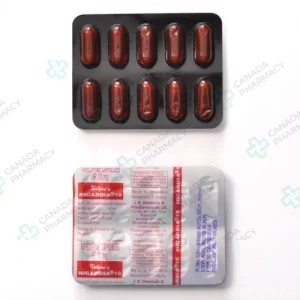
Adalat
Price range: $ 41,00 through $ 267,00
Active substance: Nifedipine
More Details
This product has multiple variants. The options may be chosen on the product page
Altace
Price range: $ 40,00 through $ 322,00
Active substance: Ramipril
More Details
This product has multiple variants. The options may be chosen on the product page
Benicar
Price range: $ 42,00 through $ 478,00
Active substance: Olmesartan
More Details
This product has multiple variants. The options may be chosen on the product page
Capoten
Price range: $ 42,00 through $ 323,00
Active substance: Captopril
More Details
This product has multiple variants. The options may be chosen on the product page
Cozaar
Price range: $ 41,00 through $ 281,00
Active substance: Losartan
More Details
This product has multiple variants. The options may be chosen on the product page
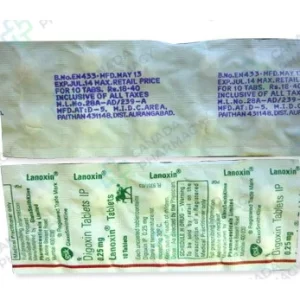
Digoxin
Price range: $ 48,00 through $ 152,00
Active substance: digoxin
More Details
This product has multiple variants. The options may be chosen on the product page
Diltiazem HCL
Price range: $ 52,00 through $ 393,00
Active substance: Diltiazem
More Details
This product has multiple variants. The options may be chosen on the product page
Dipyridamole
Price range: $ 43,00 through $ 257,00
Active substance: Dipyridamole
More Details
This product has multiple variants. The options may be chosen on the product page