

-42%
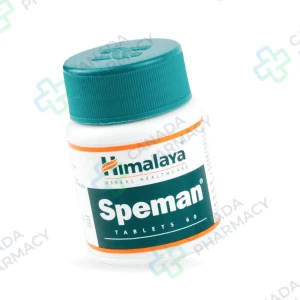
Speman
Price range: $ 53,00 through $ 204,00
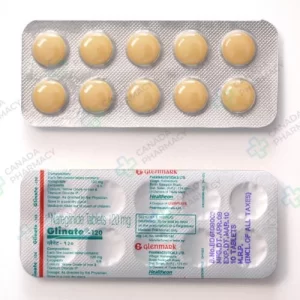
Starlix
Price range: $ 40,00 through $ 288,00
Spiriva
Price range: $ 90,00 through $ 470,00
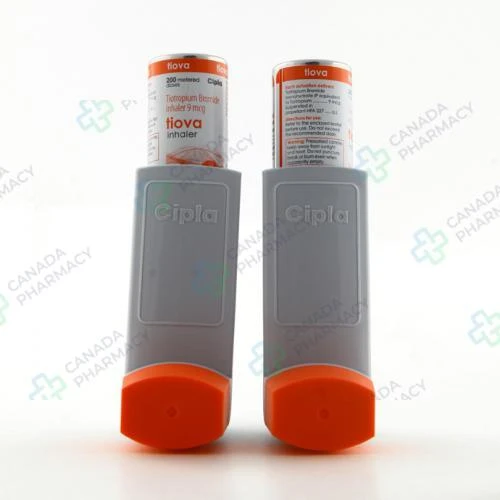
Spiriva is a highly effective long-acting bronchodilator designed to help patients manage chronic obstructive pulmonary disease (COPD), including chronic bronchitis and emphysema. The medication works by relaxing the muscles in the airways, which helps to keep them open and makes breathing significantly easier. In addition to treating COPD, it is also used as a maintenance therapy to prevent symptoms and reduce the frequency of asthma attacks. Regular daily use helps control persistent shortness of breath and wheezing, allowing for improved lung function and a more active lifestyle. This inhaler-based treatment provides consistent respiratory support to ensure that the lungs remain clear and stable throughout the day.
Active substance: Tiotropium
Delivery: 5–21 days (depending on the shipping method)
Extra 10% discount with coupon: IT4K6SVM
Each dosage option has its own packaging choices.
Description
Spiriva belongs to a class of medications known as long-acting muscarinic antagonists (LAMAs), commonly referred to as anticholinergics. It is an inhaled prescription medication indicated primarily for the long-term, once-daily maintenance treatment of bronchospasm associated with chronic obstructive pulmonary disease (COPD), including chronic bronchitis and emphysema, and for reducing COPD exacerbations.
In the United States, Spiriva is categorized as a prescription-only (Rx) medication under federal law. It must be dispensed in accordance with applicable federal and state regulations and should be used strictly under the direction of a licensed healthcare provider. Spiriva is intended for maintenance therapy and is not indicated for the acute relief of sudden breathing emergencies.
| Parameter | Details |
|---|---|
| Active Ingredient | Tiotropium bromide |
| Therapeutic Class | Anticholinergic / Long-Acting Muscarinic Antagonist (LAMA) |
| Dosage Forms | Inhalation powder (capsule for HandiHaler), Inhalation spray (Respimat) |
| Route of Administration | Oral inhalation only |
| Prescription Status | Prescription (Rx) only |
| Primary Purpose | Maintenance treatment of COPD and reduction of exacerbations |
Clinical Pharmacology and Usage Guidelines
How the drug works: Tiotropium bromide exerts its pharmacological effect by binding to muscarinic receptors in the bronchial smooth muscle. It acts as a competitive and reversible antagonist at M1, M2, and M3 muscarinic receptor subtypes. Inhibition of M3 receptors at the smooth muscle level leads to inhibition of acetylcholine-mediated bronchoconstriction, resulting in prolonged relaxation of the airways. The dissociation rate of tiotropium from M3 receptors is notably slow, providing a duration of bronchodilatory action exceeding 24 hours with once-daily administration.
What it’s used for: Spiriva is FDA-approved for the long-term maintenance treatment of airflow obstruction in patients diagnosed with chronic obstructive pulmonary disease, encompassing chronic bronchitis and emphysema. It is also indicated to reduce exacerbations in patients with COPD. The inhalation spray formulation (Respimat) holds an additional FDA indication for the long-term maintenance treatment of asthma in patients aged 6 years and older. Off-label administration for acute bronchospasm or unapproved pediatric age groups is not recommended, as the drug is not formulated for rapid-onset emergency bronchodilation.
Dosing schedule: For the inhalation powder formulation (HandiHaler), the recommended dosage is the oral inhalation of the contents of one capsule (18 mcg of tiotropium) once daily using the designated HandiHaler inhalation device. Spiriva capsules must never be swallowed orally. For the inhalation spray formulation (Respimat), the standard maintenance dose for COPD is two inhalations of 2.5 mcg per actuation once daily (totaling 5 mcg per dose). Administration should occur at the same time every day to maintain steady therapeutic concentrations in pulmonary tissue.
What happens in the body: Following oral inhalation, absolute bioavailability of tiotropium powder is approximately 19% to 20%, indicating low systemic absorption through the gastrointestinal tract and primary localized action within the lungs. Maximum plasma concentrations are attained within 5 to 7 minutes post-inhalation. Plasma protein binding for tiotropium is approximately 72%. Systemically absorbed tiotropium is non-enzymatically cleaved to inactive metabolites and excreted largely unchanged by the kidneys. The terminal elimination half-life ranges between 5 and 6 days following repeated once-daily inhalation.
Compatibility with other medicines: Co-administration of Spiriva with other anticholinergic-containing medications (such as ipratropium, umeclidinium, or aclidinium) is not recommended, as simultaneous use increases the potential for additive systemic anticholinergic adverse effects. Tiotropium does not significantly inhibit or induce cytochrome P450 enzymes (CYP1A2, CYP2C9, CYP2C19, CYP2D6, CYP2E1, or CYP3A4), making metabolic drug-drug interactions mediated through hepatic pathways clinically unlikely.
Adverse reactions: The most frequently reported adverse reaction associated with tiotropium inhalation is dry mouth (xerostomia), reported in clinical trials at rates significantly higher than placebo. Other reported adverse reactions include upper respiratory tract infection, sinusitis, constipation, pharyngitis, urinary retention, and headache. Less common but serious reactions include immediate hypersensitivity events (anaphylaxis, angioedema), new-onset or worsening narrow-angle glaucoma, paradoxical bronchospasm, and urinary hesitancy, particularly in individuals with pre-existing urological conditions.
Important precautions: Caution is warranted when prescribing Spiriva to patients with narrow-angle glaucoma, prostatic hyperplasia, or bladder-neck obstruction, as anticholinergic activity may exacerbate these underlying conditions. Immediate hypersensitivity reactions, including swelling of the lips, tongue, or lips, require prompt cessation of the drug. If paradoxical bronchospasm occurs following inhalation, treatment must be discontinued immediately, and an alternative rapid-acting inhaled bronchodilator should be administered.
| Adverse Event / Red Flag | Immediate Clinical Action Required |
|---|---|
| Swelling of the face, lips, tongue, or throat | Seek emergency medical care immediately (anaphylaxis/angioedema risk). |
| Sudden severe worsening of breathing right after inhalation | Discontinue drug, use a rescue inhaler, and obtain immediate emergency care. |
| Eye pain, visual halos, blurred vision, or eye redness | Consult an ophthalmologist immediately (possible acute narrow-angle glaucoma). |
| Inability to urinate or severe pain during urination | Contact a healthcare provider promptly (acute urinary retention). |
Patient Care and Daily Considerations
Practical tips: Patients using the HandiHaler dry powder inhaler should remove capsules from the blister pack only immediately prior to use. Capsules must be inserted into the center chamber of the device and pierced using the side push-button before inhalation. The HandiHaler device should be kept dry and cleaned according to official patient guidelines, never immersed completely in water. Patients using the Respimat spray should prime the device prior to initial use or if unused for more than 21 days.
If you skip a dose: If a scheduled dose of Spiriva is missed, it should be taken as soon as remembered on that day. Patients must be instructed never to inhale more than one dose (or two actuations of Respimat) within a single 24-hour period. Doses should not be doubled to compensate for a missed administration.
Storage and expiration: Spiriva dry powder capsules should be stored between 68°F and 77°F (20°C to 25°C), with excursions permitted between 59°F and 86°F (15°C and 30°C) under controlled room temperature standards. Capsules must remain sealed in their aluminum blisters to protect them from moisture and extreme heat. The Respimat cartridge should be discarded 3 months after insertion or when the dose indicator reaches zero, whichever comes first.
Special populations: In patients with moderate-to-severe renal impairment (creatinine clearance equal to or less than 50 mL/min), systemic drug exposure increases; such patients should be monitored closely for anticholinergic side effects. Clinical data regarding the use of tiotropium in pregnant women are limited; it should be used during pregnancy only if the potential therapeutic benefit justifies the potential risk to the fetus. It is unknown whether tiotropium is excreted in human milk. Dosage adjustments based solely on advanced age are not required.
Common Questions
Can Spiriva be used as a rescue inhaler for sudden shortness of breath?
No, Spiriva is not a fast-acting bronchodilator and will not relieve acute episodes of sudden breathlessness. Patients must always carry a short-acting beta2-agonist rescue inhaler (such as albuterol) to manage acute respiratory distress or sudden asthma/COPD attacks.
What should happen if a Spiriva capsule is accidentally swallowed?
Spiriva capsules are designed exclusively for oral inhalation via the HandiHaler device. If a capsule is swallowed orally, systemic absorption of tiotropium is minimal due to low oral bioavailability, but the intended therapeutic effect in the lungs will not occur. Patients should consult a doctor or poison control center if accidental ingestion occurs.
Is dry mouth a permanent side effect of tiotropium therapy?
Dry mouth is the most common anticholinergic reaction associated with tiotropium. It typically manifests mild to moderate intensity and often diminishes over extended continued treatment, though it may persist in some individuals throughout the course of therapy.
Can Spiriva be safely combined with inhaled corticosteroid maintenance medications?
Yes, Spiriva is frequently prescribed alongside inhaled corticosteroids (ICS) or long-acting beta2-agonists (LABA) as part of a comprehensive combination maintenance regimen for advanced COPD or persistent asthma, provided these combinations are managed by a licensed healthcare practitioner.
Does moderate kidney disease affect how tiotropium is monitored?
Because tiotropium is predominantly excreted through renal clearance, reduced kidney function leads to higher systemic drug levels. Healthcare providers generally monitor patients with moderate to severe renal impairment more frequently for signs of anticholinergic toxicity, such as urinary retention or dry mouth.
Information on this page is for reference and does not replace an assessment by a licensed healthcare professional. In accordance with FDA requirements.
Additional information
| Dosage |
18 mcg |
|---|---|
| Package |
30 caps ,60 caps ,120 caps ,180 caps ,270 caps |
| Ενεργός Ουσία |
Related products
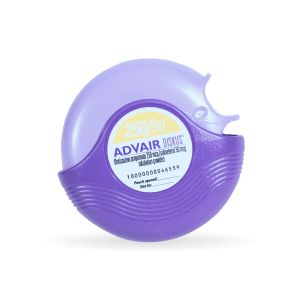
Advair Diskus
Price range: $ 72,00 through $ 527,00
More Details
This product has multiple variants. The options may be chosen on the product page
Asthalin
Price range: $ 18,00 through $ 52,00
Active substance: Salbutamol
More Details
This product has multiple variants. The options may be chosen on the product page
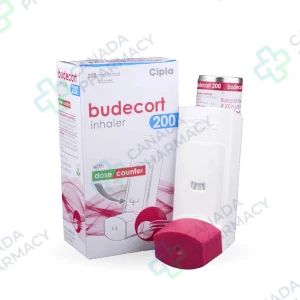
Budecort Inhaler
Price range: $ 17,00 through $ 92,00
Active substance: Budesonide
More Details
This product has multiple variants. The options may be chosen on the product page
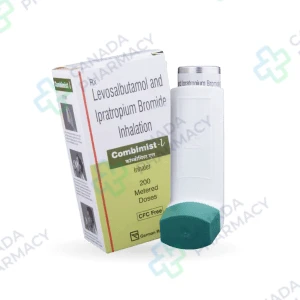
Combimist L Inhaler
Price range: $ 60,00 through $ 81,00
Active substance: ipratropium, Levosalbutamol
More Details
This product has multiple variants. The options may be chosen on the product page
Decadron
Price range: $ 12,00 through $ 182,00
Active substance: Dexamethasone
More Details
This product has multiple variants. The options may be chosen on the product page

Ketasma
Price range: $ 10,00 through $ 23,00
Active substance: Ketotifen Fumarate
More Details
This product has multiple variants. The options may be chosen on the product page
Montair
Price range: $ 19,00 through $ 45,00
Active substance: Montelukast
More Details
This product has multiple variants. The options may be chosen on the product page
Promethazine
Price range: $ 43,00 through $ 228,00
Active substance: Promethazine
More Details
This product has multiple variants. The options may be chosen on the product page