

-29%


Terramycin
Price range: $ 54,00 through $ 97,00
Theo-24 Cr
Price range: $ 44,00 through $ 103,00
Tetracycline
Price range: $ 43,00 through $ 182,00
Tetracycline is a versatile broad-spectrum antibiotic used to treat a wide range of bacterial infections throughout the body. It is highly effective at managing respiratory tract infections, urinary tract issues, and certain skin conditions. Many individuals rely on this medication to treat severe acne by reducing inflammation and targeting the bacteria responsible for breakouts. Additionally, it is an established treatment for specific systemic infections caused by susceptible gram-positive and gram-negative organisms. This reliable antibiotic remains a foundational choice for promoting recovery from diverse bacterial ailments.
Active substance: tetracycline
Delivery: 5–21 days (depending on the shipping method)
Extra 10% discount with coupon: IT4K6SVM
Each dosage option has its own packaging choices.
Description
Tetracycline belongs to a class of medications known as tetracycline antibiotics, which are utilized to manage a broad spectrum of bacterial infections. As a prescription-only oral antimicrobial agent regulated by the U.S. Food and Drug Administration (FDA), it plays an important role in treating specific dermatological, respiratory, and systemic bacterial diseases.
Proper administration under qualified medical supervision is required to ensure therapeutic efficacy and reduce the emergence of drug-resistant pathogens. Patients must follow specific administration guidelines regarding timing and dietary intake to achieve optimal clinical outcomes.
| Drug Name | Tetracycline |
| Active Ingredient | Tetracycline hydrochloride |
| Therapeutic Class | Tetracycline-class antibacterial |
| Dosage Form | Oral capsule |
| Route of Administration | Oral |
| Prescription Status | Prescription (Rx) only |
Clinical Overview of Tetracycline
Mechanism and Pharmacokinetics
How the drug works
Tetracycline exhibits bacteriostatic activity by inhibiting bacterial protein synthesis. It reversibly binds to the 30S ribosomal subunit of susceptible Gram-positive and Gram-negative microorganisms. This binding blocks the access of aminoacyl-tRNA to the ribosomal acceptor site, effectively preventing the addition of amino acids to the elongating peptide chain. By halting protein production, tetracycline restricts bacterial growth and replication, allowing the host immune system to clear the remaining pathogens. It demonstrates clinical efficacy against various rickettsiae, Mycoplasma pneumoniae, Chlamydia species, and select spirochetes.
How it’s absorbed and eliminated
Following oral administration, tetracycline is absorbed primarily from the stomach and upper small intestine, achieving peak plasma concentrations within 2 to 4 hours. Systemic bioavailability is significantly decreased in the presence of polyvalent cations such as calcium, magnesium, aluminum, and iron, which form insoluble chelates with the drug. Tetracycline binds to plasma proteins in varying degrees (40% to 80%) and distributes broadly into body tissues and fluids, including bile, liver, kidney, and lung tissue. Excretion occurs through both renal and biliary pathways, with an elimination half-life ranging between 6 and 11 hours in individuals with normal renal function.
Prescription Indications
Main uses
Tetracycline is indicated for the treatment of infections caused by susceptible isolates of specific microorganisms. FDA-approved indications include respiratory tract infections caused by Streptococcus pneumoniae or Haemophilus influenzae, urinary tract infections, and infections transmitted by vectors, such as Rocky Mountain spotted fever, typhus fever, and Q fever. It is also approved as adjunctive therapy in severe acne vulgaris. In individuals allergic to penicillin, tetracycline serves as an alternative agent for treating syphilis and gonorrhea. Other approved uses include severe infections like brucellosis, cholera, plague (Yersinia pestis), and tularemia. Use for conditions such as papulopustular rosacea represents an off-label application and must be explicitly evaluated and determined by a licensed prescriber.
Important Safety and Dosing Guidelines
Dosing schedule
The standard adult oral dosage of tetracycline ranges from 1,000 mg to 2,000 mg per day, divided into two or four equal doses, depending on the severity and nature of the infection. For severe acne, initial dosing often begins at 500 mg to 1,000 mg daily, followed by gradual reduction to maintenance levels. Dosing should be administered with a full glass of water (8 ounces) while in an upright position to minimize the risk of esophageal irritation and ulceration. Patients must take tetracycline on an empty stomach, either 1 hour before or 2 hours after meals, to ensure optimal absorption.
Adverse Effects and Interactions
Compatibility with other medicines
Co-administration of tetracycline with multivalent cation-containing preparations–such as antacids, iron supplements, calcium supplements, or bismuth subsalicylate–markedly decreases antibiotic absorption. Oral contraceptives may experience reduced efficacy when taken concurrently with tetracycline, necessitating secondary non-hormonal contraceptive measures. Concomitant use with oral anticoagulants, such as warfarin, can increase prothrombin time, requiring dosage adjustments. Retinoids (such as isotretinoin) must never be combined with tetracycline due to an elevated risk of developing benign intracranial hypertension (pseudotumor cerebri). Additionally, bactericidal agents like penicillins may be antagonized by the bacteriostatic action of tetracycline.
Adverse reactions
Adverse events associated with tetracycline therapy predominantly involve the gastrointestinal system, including nausea, vomiting, epigastric distress, diarrhea, and glossitis. Photosensitivity reactions, manifesting as exaggerated sunburn upon exposure to ultraviolet light, are frequently reported. Severe hypersensitivity reactions–such as anaphylaxis, urticaria, and angioedema–require immediate clinical intervention. Prolonged therapy may lead to superinfections caused by non-susceptible organisms, such as Candida species or Clostridioides difficile. Permanent tooth discoloration (yellow-gray-brown) and enamel hypoplasia can occur when administered during tooth development (the last half of pregnancy, infancy, and childhood up to 8 years of age).
Important precautions
Tetracycline is contraindicated in pregnant women, nursing mothers, and pediatric patients under 8 years of age due to potential impairment of fetal skeletal development and permanent enamel discoloration. Patients with impaired renal function exhibit drug accumulation, which can lead to systemic toxicity, hepatotoxicity, and elevated blood urea nitrogen (BUN) levels; dosing must be carefully modified or monitored. Caution is warranted in patients with systemic lupus erythematosus, as tetracycline may cause disease exacerbation. Benign intracranial hypertension (pseudotumor cerebri) has been reported in patients taking tetracyclines; clinical manifestations include headache and visual disturbances. Treatment should be discontinued immediately if papilledema or neurological signs emerge.
What to avoid while taking it
Dietary intake plays a critical role in the bioavailability of tetracycline. Dairy products–including milk, cheese, yogurt, and butter–contain calcium that binds to tetracycline in the gastrointestinal tract, forming an unabsorbable complex. Consequently, food intake should be timed at least 1 hour before or 2 hours after drug administration. Alcohol consumption should be minimized or avoided, as chronic alcohol intake may accelerate tetracycline metabolism and decrease therapeutic efficacy, while acute consumption may heighten gastrointestinal irritation and hepatic strain.
If you skip a dose
If a dose of tetracycline is missed, it should be taken as soon as remembered, provided that the next scheduled dose is not imminent. If it is almost time for the subsequent dose, the missed dose should be skipped entirely, and the normal dosing regimen resumed. Patients must not double the dose to make up for a missed administration, as taking excessive amounts increases the risk of gastrointestinal toxicity and side effects.
Storage and expiration
Tetracycline capsules should be stored at room temperature, ideally between 68°F and 77°F (20°C to 25°C), away from excessive heat, light, and moisture. The medication should be kept tightly closed in its original, light-resistant container and stored out of reach of children. Expired tetracycline must never be ingested; degraded tetracycline compounds can cause severe renal tubular dysfunction known as Fanconi-like syndrome.
Day-to-day use
To minimize esophageal ulceration, patients should swallow tetracycline capsules with a full glass of water while sitting or standing, avoiding lying down for at least 30 minutes post-ingestion. Patients taking tetracycline should apply broad-spectrum sunscreen (SPF 30 or higher) and wear protective clothing during daylight hours to guard against photosensitivity. Completing the full prescribed course of therapy is imperative, even if symptoms subside early, to prevent the relapse of infection and suppress the development of bacterial resistance.
Common Questions
How long after taking tetracycline can I drink milk or consume dairy?
You should wait at least two hours after taking tetracycline before consuming milk, cheese, yogurt, or calcium-fortified products. Dairy contains calcium cations that bind to the antibiotic, preventing its absorption in the gastrointestinal tract.
Why is it recommended to stay upright after taking a dose?
Remaining seated or standing upright for at least 30 minutes reduces the risk of the capsule lodging in the esophagus. If tetracycline dissolves in the esophagus, it can cause severe mucosal irritation and painful ulceration.
Can tetracycline cause sensitivity to sunlight?
Yes, photosensitivity is a known side effect of tetracycline therapy. Exposure to sunlight or ultraviolet radiation can lead to severe sunburn-like reactions, so wearing protective clothing and broad-spectrum sunscreen is advised.
Is tetracycline safe to take during pregnancy?
No, tetracycline is contraindicated during pregnancy, particularly during the second and third trimesters. It crosses the placenta and can impair fetal bone development and cause permanent discoloration of the child’s teeth.
What should I do if I suspect an expired dose was taken?
Contact your doctor or pharmacist immediately. Degraded or expired tetracycline can cause serious kidney damage, specifically a form of renal tubular dysfunction termed Fanconi-like syndrome.
This text is for informational purposes only and does not constitute individual medical advice. In accordance with FDA requirements.
Additional information
| Dosage |
250mg ,500mg |
|---|---|
| Package |
60 pills ,90 pills ,120 pills ,180 pills ,270 pills ,360 pills |
| Ενεργός Ουσία |
Related products

Azithromycin DT
Price range: $ 60,00 through $ 972,00
Active substance: Azithromycin
More Details
This product has multiple variants. The options may be chosen on the product page

Bactrim
Price range: $ 41,00 through $ 196,00
Active substance: sulfamethoxazole, trimethoprim
More Details
This product has multiple variants. The options may be chosen on the product page

Baycip
Price range: $ 42,00 through $ 113,00
Active substance: Ciprofloxacin
More Details
This product has multiple variants. The options may be chosen on the product page
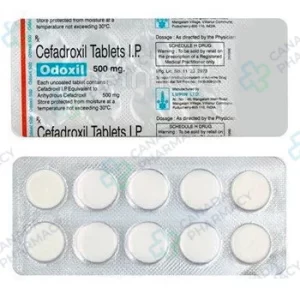
Cefadroxil
Price range: $ 41,00 through $ 349,00
Active substance: cefadroxil
More Details
This product has multiple variants. The options may be chosen on the product page

Cefixime
Price range: $ 101,00 through $ 509,00
Active substance: cefixime
More Details
This product has multiple variants. The options may be chosen on the product page

Cephadex
Price range: $ 16,00 through $ 48,00
Active substance: cephalexin
More Details
This product has multiple variants. The options may be chosen on the product page

Cephalexin
Price range: $ 39,00 through $ 349,00
Active substance: cephalexin
More Details
This product has multiple variants. The options may be chosen on the product page
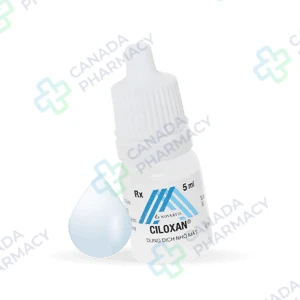
Ciloxan Ophthalmic Solution
Price range: $ 50,00 through $ 63,00
Active substance: Ciprofloxacin hydrochloride
More Details
This product has multiple variants. The options may be chosen on the product page