

-22%

Tetracycline
Price range: $ 43,00 through $ 182,00
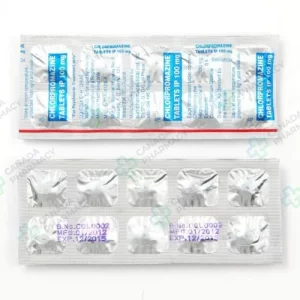
Thorazine
Price range: $ 47,00 through $ 161,00
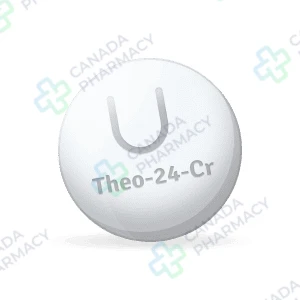
Theo-24 Cr
Price range: $ 44,00 through $ 103,00
Theo-24 CR is a long-acting bronchodilator designed to provide consistent, 24-hour relief from persistent respiratory symptoms. This medication works by relaxing the smooth muscles in the lungs and chest, effectively opening the airways to make breathing easier. It is primarily indicated for the long-term management of chronic asthma and reversible bronchospasm. Additionally, Theo-24 CR is used to treat symptoms of chronic obstructive pulmonary disease, including chronic bronchitis and emphysema. The controlled-release formulation ensures a steady delivery of the active ingredient to prevent wheezing and shortness of breath throughout the entire day.
Active substance: Theophylline
Delivery: 5–21 days (depending on the shipping method)
Extra 10% discount with coupon: IT4K6SVM
Each dosage option has its own packaging choices.
Description
Theo-24 Cr belongs to a group of medicines called xanthine bronchodilators, formulated with an extended-release bead system containing anhydrous theophylline. This extended-release prescription product is indicated for the chronic management and prevention of symptoms associated with bronchial asthma, chronic bronchitis, and pulmonary emphysema. By maintaining controlled therapeutic drug levels throughout a 24-hour period, it helps prevent bronchospasm and reduce airway reactivity.
As a once-daily oral medication, it assists in keeping respiratory passages open by relaxing the smooth muscles surrounding the airways. In the United States, this drug is dispensed exclusively in accordance with federal and state prescription regulations and requires routine medical supervision, including periodic laboratory measurement of serum theophylline concentrations to ensure both safety and therapeutic efficacy.
Clinical Overview and Pharmacological Profile
Basic Information Overview
| Active ingredient (INN) | Theophylline (anhydrous) |
| Therapeutic class | Xanthine bronchodilators |
| Dosage form | Extended-release oral capsules |
| Route of administration | Oral |
| Primary purpose | Reversal and prevention of airway obstruction in chronic lung diseases |
| Prescription status | Prescription only (Rx) |
| Storage conditions | Store at controlled room temperature (68°F to 77°F / 20°C to 25°C) |
How the drug works
The active substance in Theo-24 Cr acts primarily through two distinct physiological mechanisms within the pulmonary system. First, it inhibits phosphodiesterase (PDE) enzymes, which leads to an increase in intracellular cyclic adenosine monophosphate (cAMP). Elevated cAMP concentrations promote smooth muscle relaxation in the bronchial airways, reversing acute constriction and improving pulmonary airflow. Second, the drug acts as a competitive antagonist at endogenous adenosine receptors, preventing adenosine-mediated bronchoconstriction. At therapeutic concentrations, theophylline also demonstrates mild anti-inflammatory properties by suppressing the translocation of specific nuclear factors and reducing mucosal inflammation in airway tissues.
What it’s used for
This medication is prescribed for the maintenance therapy of chronic asthma, chronic obstructive pulmonary disease (COPD), chronic bronchitis, and pulmonary emphysema. It is designed solely for long-term symptom control and prevention of bronchospasm rather than immediate relief of acute respiratory distress. Any use outside of FDA-approved respiratory indications, such as off-label administration for respiratory depression or central sleep apnea, must be explicitly evaluated and managed by a licensed healthcare provider based on clinical data.
Dosing schedule
Dosing of Theo-24 Cr is highly individualized and determined based on serum theophylline peak concentrations, clinical response, and patient tolerance. The capsule is taken once daily, swallowed whole with a full glass of water, and must never be crushed, chewed, or split, as breaking the extended-release membrane can lead to rapid drug release and severe toxicity. Consistency regarding meal timing is essential; patients should take their daily dose regularly either in a fasted state or consistently with a meal, as directed by their physician.
What happens in the body
Following oral administration, the extended-release formulation slowly releases the active drug over a 24-hour duration, avoiding sharp peak-to-trough fluctuations. Peak serum concentrations are typically reached within 8 to 12 hours post-administration under steady-state conditions. Metabilization occurs predominantly in the liver via the cytochrome P450 enzyme system (specifically CYP1A2 and CYP3A4), converting the active drug into inactive metabolites including 1,3-dimethyluric acid and 3-methylxanthine. The elimination half-life varies significantly among individuals; healthy non-smoking adults generally exhibit a half-life of 6 to 12 hours, whereas cigarette smokers display accelerated clearance (half-life 4 to 5 hours) and patients with hepatic impairment or heart failure exhibit prolonged clearance (half-life exceeding 24 hours). Metabolites and unchanged drug are excreted primarily through the kidneys.
Safety Profile, Drug Interactions, and Patient Guidance
Adverse reactions
Side effects associated with this medication are closely linked to serum drug levels. Mild to moderate adverse reactions may occur even within the therapeutic window and often resolve as the body adapts to therapy. Gastrointestinal manifestations commonly include nausea, vomiting, abdominal pain, diarrhea, and gastroesophageal reflux. Central nervous system effects include headache, restlessness, insomnia, irritability, and fine muscle tremors. Cardiovascular responses may involve sinus tachycardia, extrasystoles, and transient flushing. Severe toxicity, typically observed at elevated serum levels, can precipitate life-threatening ventricular arrhythmias, refractory seizures, severe hypotension, and metabolic derangements.
Important precautions
This drug possesses a narrow therapeutic index, meaning the difference between an effective dose and a toxic dose is small. Prescribers must monitor serum theophylline concentrations regularly, aiming for a target steady-state range generally between 5 mcg/mL and 15 mcg/mL. Extreme caution is warranted in patients with pre-existing cardiac arrhythmias, active peptic ulcer disease, seizure disorders, severe hypertension, or compromised hepatic function. Special populations require tailored clinical consideration:
- Pediatric use: Clearance rates differ markedly in pediatric patients, requiring frequent serum monitoring and dose adjustments.
- Geriatric use: Elderly patients (65 years and older) experience decreased drug clearance, increasing the risk of accumulation and severe toxicity at standard doses.
- Pregnancy and breastfeeding: Theophylline crosses the placenta and is excreted into breast milk. It should be used during pregnancy or lactation only if the potential benefit justifies the potential risk to the fetus or infant.
Compatibility with other medicines
Numerous drug interactions can significantly alter serum concentrations of theophylline, necessitating dose modifications or enhanced laboratory monitoring:
- CYP1A2 Inhibitors (Increase serum levels): Co-administration with ciprofloxacin, erythromycin, clarithromycin, cimetidine, fluvoxamine, or allopurinol decreases theophylline clearance, increasing toxicity risks.
- CYP Inducers (Decrease serum levels): Drugs such as rifampin, carbamazepine, phenobarbital, and St. John’s wort accelerate metabolism, leading to subtherapeutic drug concentrations.
- Other interactions: Non-selective beta-blockers may antagonize the bronchodilating action of theophylline. Concomitant use with lithium may increase renal elimination of lithium, reducing its efficacy.
Food and alcohol interactions
Dietary factors play a major role in the bioavailability of extended-release xanthines. High-fat meals consumed concurrently with certain extended-release formulations may alter absorption profiles; therefore, daily administration must remain consistent relative to food intake. High consumption of dietary caffeine or xanthine-containing foods (such as coffee, tea, and chocolate) can potentiate central nervous system and cardiovascular side effects. Alcohol consumption should be limited, as ethanol can alter hepatic metabolism and increase the incidence of gastrointestinal irritation and nervous system adverse reactions.
Red flags
Patients and caregivers must be trained to recognize signs of acute toxicity and severe adverse reactions. Immediate emergency medical attention should be sought if any of the following signs occur:
- Repeated, intractable vomiting or severe hematemesis.
- Rapid, irregular, or pounding heartbeat (arrhythmias).
- New or worsening muscle twitching, tremors, or convulsions/seizures.
- Severe dizziness, confusion, fainting, or marked hypotension.
- Signs of a severe allergic response, including swelling of the face, lips, tongue, or throat, or severe difficulty breathing.
Missed dose
If a dose is missed, it should be taken as soon as remembered on the same day, provided the next scheduled dose is not due shortly. If it is almost time for the next daily dose, the missed capsule should be skipped entirely, and the regular dosing schedule resumed. Patients must never take two capsules simultaneously or increase the dose to make up for a missed administration, as this significantly elevates the risk of toxic drug accumulation.
Storage and expiration
Store Theo-24 Cr capsules at controlled room temperature between 68°F and 77°F (20°C to 25°C), with short excursions permitted between 59°F and 86°F (15°C to 30°C). Keep the container tightly closed to protect the contents from moisture, excessive heat, and direct light. Expiration dates stamped on the commercial packaging must be strictly observed; expired medications should be discarded safely according to local pharmacy take-back guidelines and kept permanently out of reach of children and pets.
Common questions
Can Theo-24 Cr be used to treat a sudden, acute asthma attack?
No. This extended-release formulation is designed exclusively for long-term daily maintenance and prevention of respiratory symptoms. Because the active ingredient is released slowly over 24 hours, it will not provide the rapid bronchodilation required during an acute bronchospasm. Patients must rely on a short-acting rescue inhaler as prescribed by their physician for immediate symptom relief.
Is regular blood testing necessary while taking this medication?
Yes. Because theophylline has a narrow therapeutic range, blood tests to measure serum theophylline concentrations are a mandatory safety component of therapy. Monitoring helps ensure that blood levels remain high enough to relieve respiratory symptoms while staying below the threshold associated with serious toxic effects.
How does tobacco smoking affect the dosage of this medicine?
Cigarette and marijuana smoking induce the hepatic CYP1A2 enzymes responsible for metabolizing theophylline, causing the drug to be cleared from the body much faster. As a result, smokers often require higher daily doses than non-smokers. Patients should inform their doctor immediately if they stop or start smoking during treatment, as dose adjustments will be necessary.
Can the capsule contents be sprinkled on food if swallowing is difficult?
The capsule must be swallowed whole without crushing, chewing, or opening unless specifically advised by a physician following official drug labeling guidelines. Altering the capsule integrity disrupts the extended-release bead system, which can result in a rapid, dangerous release of the full 24-hour dose into the bloodstream at once.
What should be done if a patient develops a fever during treatment?
Sustained high fever can decrease the clearance of theophylline from the body, leading to increased serum levels and potential toxicity. If a patient experiences a high fever lasting more than 24 hours, they should contact their prescribing physician to determine whether laboratory monitoring or a temporary dose reduction is necessary.
In accordance with FDA requirements.
The information presented here is not a substitute for professional medical advice.
Additional information
| Dosage |
400mg |
|---|---|
| Package |
120 pills ,180 pills ,270 pills ,360 pills |
| Ενεργός Ουσία |
Related products
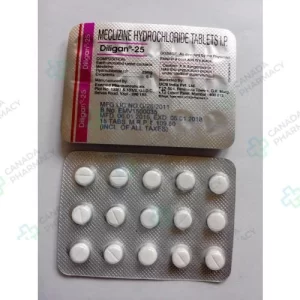
Antivert
Price range: $ 45,00 through $ 121,00
Active substance: Meclizine
More Details
This product has multiple variants. The options may be chosen on the product page
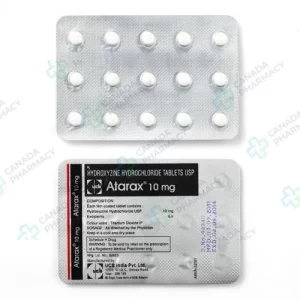
Atarax
Price range: $ 42,00 through $ 150,00
Active substance: Hydroxyzine
More Details
This product has multiple variants. The options may be chosen on the product page
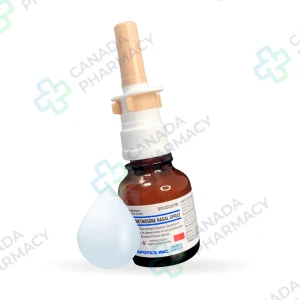
Beclamethasone
Price range: $ 60,00 through $ 205,00
Active substance: Beclomethasone Dipropionate
More Details
This product has multiple variants. The options may be chosen on the product page
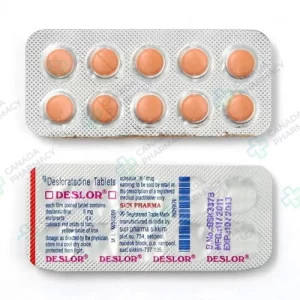
Clarinex
Price range: $ 51,00 through $ 196,00
Active substance: desloratadine
More Details
This product has multiple variants. The options may be chosen on the product page
Entocort
Price range: $ 61,00 through $ 628,00
Active substance: Budesonide
More Details
This product has multiple variants. The options may be chosen on the product page
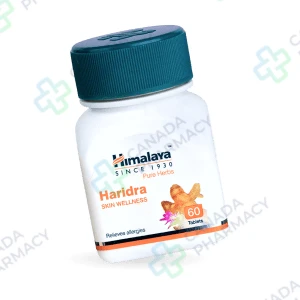
Haridra
$ 48,00
Active substance: Haridra
More Details
This product has multiple variants. The options may be chosen on the product page

Ketasma
Price range: $ 10,00 through $ 23,00
Active substance: Ketotifen Fumarate
More Details
This product has multiple variants. The options may be chosen on the product page
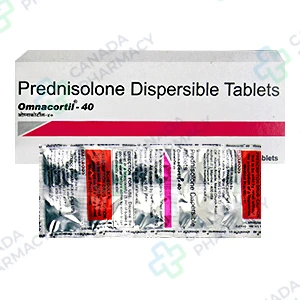
Omnacortil
Price range: $ 51,00 through $ 210,00
Active substance: prednisolone
More Details
This product has multiple variants. The options may be chosen on the product page