

-43%
Zantac
Price range: $ 28,00 through $ 89,00
Zenegra
Price range: $ 42,00 through $ 210,00
Zebeta
Price range: $ 48,00 through $ 128,00
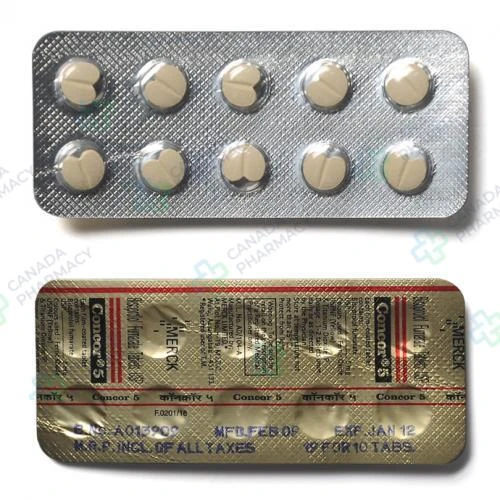
Zebeta is a specialized beta-blocker primarily indicated for the effective management of hypertension. By reducing the heart rate and workload on the cardiovascular system, this medication helps maintain stable blood pressure levels. Consistent use of this treatment plays a vital role in preventing severe health complications such as heart attacks and strokes. The tablets are formulated to provide reliable, long-acting support for individuals dealing with chronic high blood pressure. This medication is a trusted choice for improving overall heart health and ensuring long-term cardiovascular stability.
Active substance: Bisoprolol
Delivery: 5–21 days (depending on the shipping method)
Extra 10% discount with coupon: IT4K6SVM
Each dosage option has its own packaging choices.
Description
Zebeta belongs to a class of medications known as cardioselective beta-1 adrenergic receptor blockers. It is prescribed under federal regulations as a prescription-only (Rx) medication primarily for the management of hypertension in adult patients. Safe administration of this drug requires accurate clinical evaluation, individualized dosage selection, and ongoing medical supervision.
| Attribute | Specification |
|---|---|
| Active Ingredient | Bisoprolol fumarate |
| Therapeutic Class | Cardioselective beta-blocker |
| Dosage Form | Oral film-coated tablets (5 mg, 10 mg) |
| Route of Administration | Oral |
| Primary Purpose | Management of high blood pressure (hypertension) |
| Prescription Status | Prescription only (Rx) |
| Mechanism Overview | Selective inhibition of beta-1 cardiac receptors, reducing heart rate and blood pressure |
Clinical Profile and Usage Guidelines
Main uses
Zebeta is FDA-approved for the treatment of hypertension. It may be utilized as monotherapy or in combination with other antihypertensive agents, such as thiazide diuretics or calcium channel blockers. Lowering elevated blood pressure decreases the risk of fatal and nonfatal cardiovascular events, primarily strokes and myocardial infarctions.
In clinical practice, physicians may also prescribe bisoprolol for off-label indications. These off-label uses include the management of stable chronic heart failure, protection against secondary ischemic events in coronary artery disease, management of angina pectoris, and rate control in atrial fibrillation. Off-label use must always be guided and monitored by a licensed healthcare professional based on clinical consensus and patient-specific factors.
How the drug works
The active substance, bisoprolol fumarate, is a synthetic, cardioselective beta-1 adrenergic receptor blocking agent. At therapeutic doses, it preferentially inhibits beta-1 receptors located primarily in cardiac tissue and vascular smooth muscle, with minimal activity on beta-2 receptors found in bronchial and vascular smooth muscle. By blocking catecholamine binding at beta-1 sites, the drug decreases sinus rate, slows cardiac conduction through the AV node, reduces myocardial contractility, and lowers plasma renin activity. The net clinical effect is a reduction in resting and exercise-induced heart rate and a sustained lowering of systolic and diastolic blood pressure.
Dosing schedule
The dosage of Zebeta must be individualized according to the clinical response and tolerance of the patient. For the treatment of hypertension, the standard initial dose for adults is 5 mg administered orally once daily. If the blood pressure response is inadequate at 5 mg, the daily dose may be increased to 10 mg once daily, and if necessary, up to a maximum recommended dose of 20 mg once daily.
For patients with severe renal impairment (creatinine clearance less than 40 mL/min) or significant hepatic dysfunction, the recommended initial daily dose is 2.5 mg once daily. Dose titration in these populations must proceed with caution. Tablets should be swallowed whole with fluid and may be taken without regard to meals.
How it’s absorbed and eliminated
Bisoprolol is almost completely absorbed from the gastrointestinal tract following oral administration, displaying absolute bioavailability of approximately 90%. First-pass hepatic metabolism is minimal (around 10%). Peak plasma concentrations are reached within 2 to 4 hours after oral ingestion. Plasma protein binding is modest, standing at approximately 30%.
The elimination half-life of bisoprolol ranges between 9 and 12 hours in healthy individuals, which supports effective 24-hour blood pressure control with a single daily dose. Clearance occurs through two balanced pathways: 50% of the dose is metabolized by the liver into inactive metabolites and subsequently excreted by the kidneys, while the remaining 50% is excreted completely unchanged in the urine. Less than 2% of the drug is eliminated through the feces.
Adverse reactions
The safety profile of Zebeta is characterized primarily by mild to moderate adverse reactions associated with beta-adrenergic blockade. Most side effects are transient and diminish during continued therapy or upon dosage reduction.
Commonly reported adverse effects include fatigue, dizziness, headache, bradycardia (abnormally slow heart rate), cold extremities (Raynaud-like symptoms), nausea, diarrhea, and peripheral edema. Less frequent reactions include sleep disturbances, vivid dreams, depressive mood, orthostatic hypotension, and respiratory distress in susceptible individuals. Severe adverse events requiring prompt medical assessment include symptomatic sinus bradycardia, advanced heart block, severe hypotension, acute heart failure exacerbation, and bronchospasm in patients with reactive airway conditions.
Pharmacology, Precautions, and Common Questions
Compatibility with other medicines
Co-administration of Zebeta with other pharmacological agents requires careful evaluation to avoid adverse pharmacodynamic or pharmacokinetic interactions:
- Calcium Channel Blockers: Concomitant use with non-dihydropyridine calcium channel blockers (such as verapamil or diltiazem) can result in severe bradycardia, AV block, and cardiac failure due to additive negative chronotropic and dromotropic effects.
- Centrally Acting Antihypertensives: Medications like clonidine or methyldopa may exacerbate bradycardia and conduction delays. Abrupt withdrawal of clonidine during beta-blocker therapy can precipitate severe rebound hypertension.
- Antiarrhythmic Drugs: Class I agents (e.g., disopyramide) and amiodarone may potentiate effects on atrial conduction time and induce negative inotropic effects.
- Insulin and Oral Antidiabetic Agents: Beta-blockers may mask symptoms of hypoglycemia, particularly tachycardia and tremors. Sweating may remain unmasked.
- Nonsteroidal Anti-inflammatory Drugs (NSAIDs): Chronic NSAID therapy may reduce the antihypertensive efficacy of beta-blockers by inhibiting renal prostaglandin synthesis.
Important precautions
Zebeta carries explicit clinical warnings regarding abrupt cessation of therapy. Sudden discontinuation in patients with coronary artery disease can precipitate severe angina exacerbations, ventricular arrhythmias, or myocardial infarction. When discontinuing treatment, the dosage must be gradually tapered over a period of 1 to 2 weeks under medical supervision.
Caution is advised in patients with bronchospastic diseases (such as asthma or chronic obstructive pulmonary disease); while cardioselective, higher doses may block beta-2 receptors. Patients with peripheral vascular disease or Raynaud’s phenomenon may experience worsening of circulatory symptoms. In diabetic patients, bisoprolol may conceal signs of acute hypoglycemia. Safety during pregnancy and lactation has not been established conclusively; the drug should be used during pregnancy only if the potential benefit outweighs the fetal risk.
Food and alcohol interactions
Food does not exert a clinically significant effect on the absorption or systemic bioavailability of bisoprolol. Therefore, the medication can be taken with or without food. However, concurrent ingestion of alcohol can potentiate the blood pressure-lowering effect of Zebeta, increasing the likelihood of orthostatic dizziness, lightheadedness, or syncope. Patients are advised to limit alcohol consumption during treatment.
If you skip a dose
If a dose of Zebeta is missed, it should be taken as soon as remembered on the same day. However, if the time is close to the next scheduled dose, the missed tablet should be skipped entirely, and the regular dosing schedule resumed. Patients must never double the dose to make up for a missed administration, as this elevates the risk of severe bradycardia and excessive hypotension.
Day-to-day use
Patients prescribed Zebeta should monitor their resting blood pressure and pulse rate regularly at home. To minimize orthostatic dizziness, individuals should transition slowly when moving from a sitting or lying position to standing. It is recommended to maintain adequate hydration and avoid exposure to extreme heat, which can exacerbate blood pressure drops. Patients undergoing elective surgical procedures must inform their anesthesia team about ongoing beta-blocker therapy.
Storage and expiration
Zebeta tablets should be stored at controlled room temperature between 20°C and 25°C (68°F to 77°F), with excursions permitted between 15°C and 30°C (59°F and 86°F). Protect the medication from excessive heat, light, and moisture. Store tablets in their original tight container, out of the reach and sight of children. Expired medications should be disposed of in accordance with local pharmaceutical waste disposal guidelines.
Common questions
Is it dangerous to stop taking Zebeta suddenly?
Yes, abrupt discontinuation of Zebeta can cause a sudden rise in blood pressure and increase the workload on the heart. In patients with underlying ischemic heart disease, abrupt cessation can lead to severe chest pain, cardiac arrhythmias, or a heart attack. If treatment must end, a healthcare provider will establish a schedule to gradually reduce the dosage over several days or weeks.
Can Zebeta affect blood sugar management in diabetic patients?
Zebeta can mask characteristic warning signs of low blood sugar (hypoglycemia), particularly an increased heart rate and tremors. However, diaphoresis (sweating) is typically not masked. Diabetic patients taking insulin or oral hypoglycemic medications should monitor their blood glucose levels closely while using beta-blockers.
What should be done if the resting pulse rate drops significantly?
If the resting pulse rate falls consistently below 50 to 55 beats per minute, or if bradycardia is accompanied by symptoms such as lightheadedness, weakness, fatigue, or fainting, a physician should be contacted. The prescriber may adjust the dose or evaluate the patient for sinus node dysfunction or conduction heart block.
Does Zebeta cause cold extremities in hands and feet?
Cold hands and feet are a recognized secondary effect of beta-blockers. By blocking beta-receptors, Zebeta reduces peripheral blood flow and lowers skin temperature. Patients should dress warmly and report any severe pain, numbness, or skin discoloration in the fingers or toes to their healthcare provider.
In accordance with FDA requirements.
This text is for informational purposes only and does not constitute individual medical advice.
Additional information
| Dosage |
2.5mg ,5mg ,10mg |
|---|---|
| Package |
90 pills ,120 pills ,180 pills ,270 pills ,360 pills |
| Ενεργός Ουσία |
Related products
Adalat
Price range: $ 41,00 through $ 267,00
Active substance: Nifedipine
More Details
This product has multiple variants. The options may be chosen on the product page
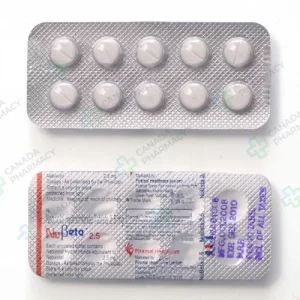
Bystolic
Price range: $ 38,00 through $ 275,00
Active substance: Nebivolol
More Details
This product has multiple variants. The options may be chosen on the product page
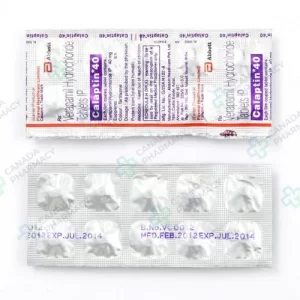
Calan
Price range: $ 46,00 through $ 242,00
Active substance: Verapamil
More Details
This product has multiple variants. The options may be chosen on the product page
Capoten
Price range: $ 42,00 through $ 323,00
Active substance: Captopril
More Details
This product has multiple variants. The options may be chosen on the product page
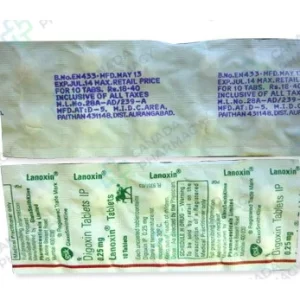
Digoxin
Price range: $ 48,00 through $ 152,00
Active substance: digoxin
More Details
This product has multiple variants. The options may be chosen on the product page
Diltiazem
Price range: $ 49,00 through $ 590,00
Active substance: Diltiazem
More Details
This product has multiple variants. The options may be chosen on the product page
Dipyridamole
Price range: $ 43,00 through $ 257,00
Active substance: Dipyridamole
More Details
This product has multiple variants. The options may be chosen on the product page
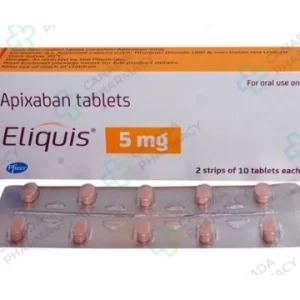
Eliquis
Price range: $ 60,00 through $ 320,00
Active substance: Apixaban
More Details
This product has multiple variants. The options may be chosen on the product page